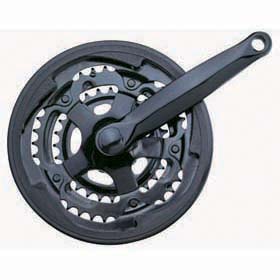
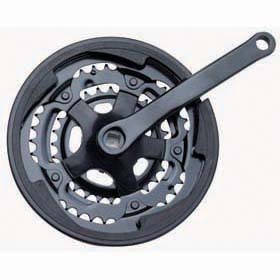
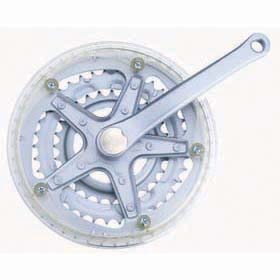
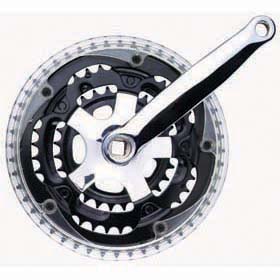
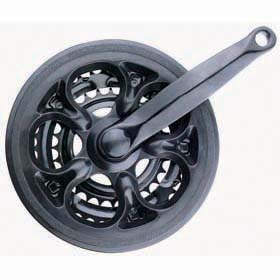
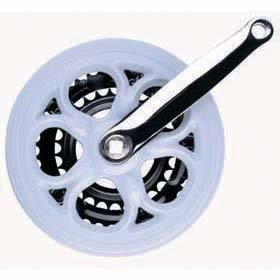
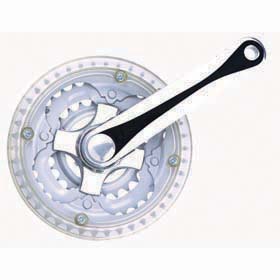
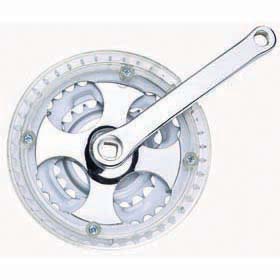
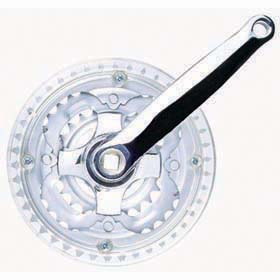
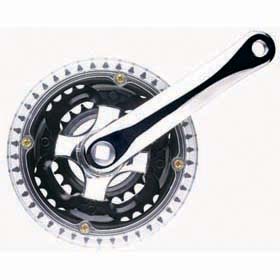
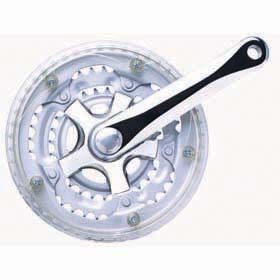
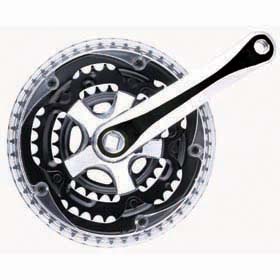
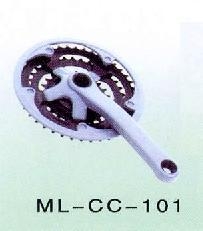
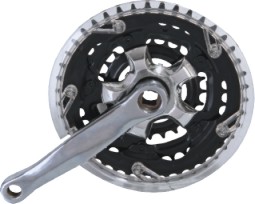
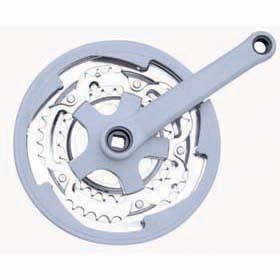
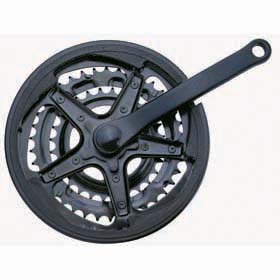
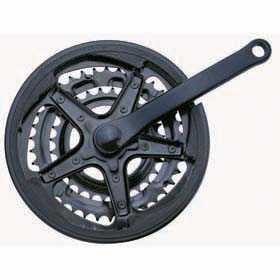
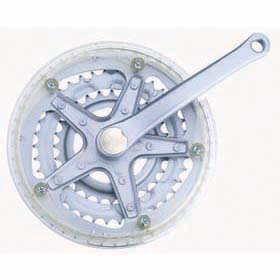
Bicycle Cranksets & Chainwheels
Source bulk Bicycle Cranksets & Chainwheels from vetted suppliers and manufacturers across Asia. Designed for bicycle importers, wholesale distributors, and brands seeking reliable OEM and private-label production, our network delivers precision-engineered drivetrain components that meet stringent international performance standards.
Sourcing bicycle cranksets and chainwheels at scale demands a rigorous approach to metallurgy, machining tolerances, and drivetrain compatibility. Whether you are supplying the aftermarket or assembling complete bikes, the primary challenge lies in identifying manufacturing partners capable of balancing stiffness-to-weight ratios while maintaining strict dimensional accuracy across thousands of units. A minor deviation in chainline or lateral runout can compromise shifting performance and lead to costly product returns.
Manufacturing Processes and Material Selection
The production method heavily dictates both the unit cost and the structural integrity of the crank arm and chainring. Most high-volume manufacturing hubs in Taiwan and mainland China specialize in aluminum alloys, though capabilities vary significantly between factories.
When developing custom components through OEM/ODM Services, you must specify the exact alloy grade and forming process. Aluminum 6061 is the industry standard for mid-tier components, offering excellent workability and corrosion resistance. For high-performance applications, Aluminum 7075-T6 provides superior tensile strength, though it is harder to forge and typically requires extensive CNC finishing.
| Manufacturing Process | Typical Material | Tooling Investment | Unit Cost | Best Application |
|---|---|---|---|---|
| Melt Forging (Casting) | Alloy 6061 | Low to Medium | Low | Entry-level to mid-range OEM |
| 3D Cold Forging | Alloy 6061 / 7075 | High | Medium | High-performance alloy cranks |
| Full CNC Machining | Alloy 7075-T6 | None (Programming) | High | Niche aftermarket, low-volume custom |
Need help identifying the right manufacturing process for your target price point? Connect with our sourcing engineers.
Talk to our teamQuality Control and Dimensional Tolerances
Drivetrain components endure immense dynamic loads. Substandard manufacturing often manifests as pedal thread failure, creaking at the bottom bracket interface, or poor shifting due to chainring flex. To mitigate these risks, robust Quality Control & Inspection protocols must be implemented directly on the factory floor, before surface treatments are applied.
Furthermore, products destined for European or North American markets should undergo rigorous fatigue testing to ensure they meet ISO 4210 standards for racing or mountain bicycles. Working with partners who understand Compliance & Testing requirements is non-negotiable for liability management.
Critical Inspection Points for Cranksets
- Lateral runout of the chainwheel (must not exceed 0.5mm for multi-speed drivetrains).
- Pedal thread accuracy (9/16-inch x 20 TPI) and thread depth consistency.
- Bottom bracket interface tolerances (spline depth or square taper angles) to prevent premature wear.
- Anodizing thickness and UV resistance to prevent fading on aftermarket parts.
- Chainring tooth profiling (narrow-wide consistency for 1x drivetrains).
Sourcing Mechanics: MOQs, Tooling, and Lead Times
Understanding the commercial realities of drivetrain manufacturing helps in structuring your purchasing schedule. Factories require minimum order quantities (MOQs) to justify machine setup times and raw material minimums from their own suppliers.
When negotiating with new suppliers, it is highly recommended to conduct thorough Factory Audits to verify their in-house capabilities versus what they outsource. Many facilities outsource the anodizing or heat-treatment processes, which can introduce bottlenecks and quality variations if not strictly managed.
Ensure your supply chain is resilient. Speak with our experts about vetting component manufacturers.
Get a free consultationBuyer FAQ
Successfully sourcing bicycle cranksets and chainwheels requires a deep understanding of metallurgy, machining precision, and international safety standards. By partnering with vetted manufacturers who maintain strict in-house quality controls, you can secure reliable drivetrain components that elevate your product line.
Get Sourcing Help for Bicycle Cranksets & Chainwheels
Tell us your requirements and our experts will connect you with verified manufacturers.