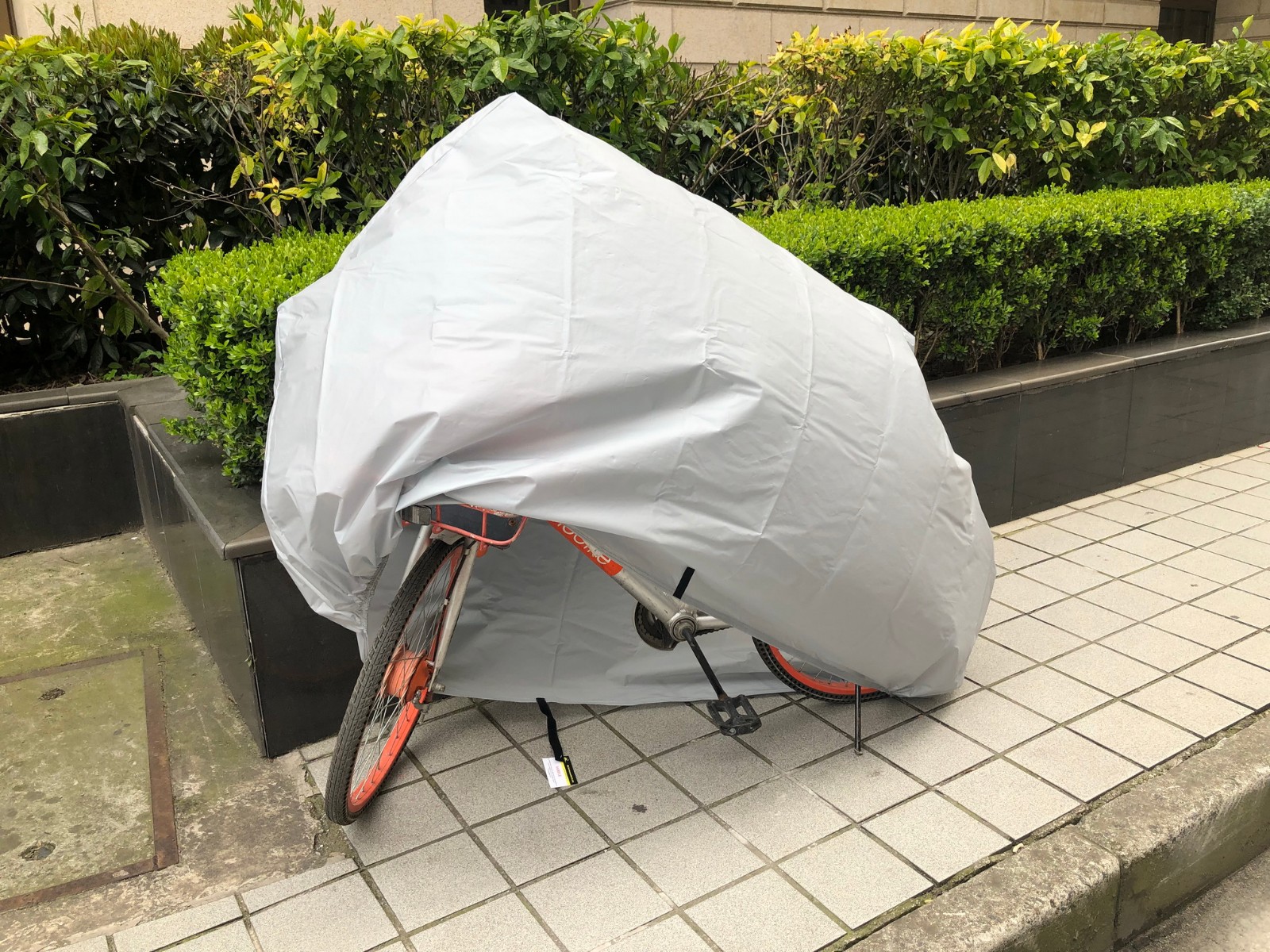
Bicycle Covers
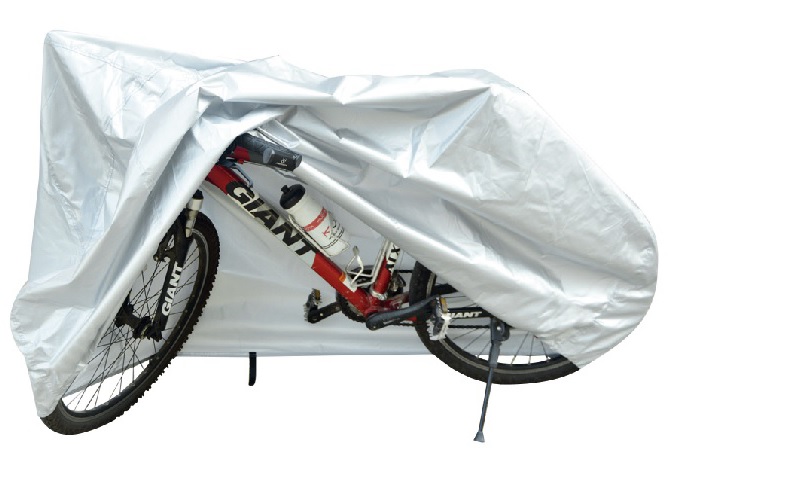
Source premium bicycle covers from vetted suppliers and manufacturers across Asia. Designed for importers, distributors, and cycling brands requiring reliable bulk production and OEM/ODM services, our network delivers durable, weather-resistant protection built to your exact specifications.
Sourcing wholesale bicycle covers requires a careful balance of fabric durability, weather resistance, and production costs. For high-volume buyers, the primary challenge lies in securing consistent material specifications—ensuring the 210D Oxford cloth you specified doesn't quietly become 190T polyester during mass production, and that waterproof coatings actually perform as claimed in the field.
Core Material Specifications
The foundation of any bicycle cover is the base fabric and its chemical coating. Buyers must clearly define both the weave density and the waterproofing method in their purchase orders.
Fabric Weights: Denier (D) vs. Thread Count (T)
Manufacturers typically quote materials in either Denier (yarn thickness) or Thread Count (threads per square inch). Higher numbers indicate greater density and weight, directly impacting both the FOB price and shipping volume.
| Material | Characteristics | Typical Application |
|---|---|---|
| 190T / 210T Polyester | Lightweight, highly packable, lower tear resistance. | Indoor dust covers, budget retail lines. |
| 210D Oxford | Excellent balance of weight and durability, good tear strength. | Standard outdoor covers, daily commuter use. |
| 420D / 600D Oxford | Heavy-duty, stiff, maximum tear and UV resistance. | Premium e-bike covers, long-term outdoor storage. |
Coatings and Treatments
A raw Oxford fabric offers zero weather protection. Factories apply coatings to achieve desired performance metrics:
- PU (Polyurethane): The industry standard for waterproofing. It remains flexible in cold weather and is lighter than PVC.
- Silver Coating (Inner): Applied to the inside of the cover to reflect UV rays and reduce heat buildup, preventing the fabric from becoming brittle over time.
- Seam Taping: A waterproof cover will still leak if the needle holes from sewing are exposed. Premium covers require heat-sealed PU tape over all stitched seams.
Struggling to lock down exact fabric specifications with overseas suppliers? We help buyers define, negotiate, and verify technical requirements before production begins.
Talk to our teamManufacturing Quality Control
Bicycle covers are cut-and-sew products. While the fabric dictates the theoretical performance, the factory floor dictates the actual lifespan of the product. Implementing stringent quality control during and after production is essential to catch common manufacturing shortcuts.
Critical Inspection Points for Bulk Orders
- Hydrostatic Head Testing: Verify that PU coatings meet the specified waterproof rating (typically 2000mm to 3000mm).
- Seam Tape Adhesion: Inspect for peeling or bubbling on heat-sealed seams, especially around complex curves like handlebar sections.
- Lock Hole Reinforcement: Ensure front wheel lock holes use rust-proof aluminum eyelets or heavily reinforced fabric stitching to prevent tearing.
- Elastic Hem Tension: Test the heavy-duty elastic cords at the front and rear hems for adequate snap-back and longevity.
- Buckle Stitching: Windproof belly straps must feature double-stitched or cross-stitched attachment points to withstand high winds.
OEM/ODM Customization for Brands
For brands looking to differentiate, standard off-the-shelf covers are rarely sufficient. Engaging a factory for OEM/ODM services allows for specific modifications tailored to modern cycling trends, such as oversized dimensions for e-bikes, cargo bikes, and 29er mountain bikes with wide handlebars.
Customization extends to safety features, including the addition of high-visibility reflective strips (often using 3M Scotchlite materials) and custom silk-screened logos. When printing logos, ensure the factory uses UV-resistant inks that will not crack or peel when the fabric flexes.
Pricing Drivers, MOQs, and Lead Times
Understanding the mechanics of pricing helps in negotiating realistic terms with suppliers.
What Drives the Cost?
- Fabric Base: Moving from a 190T to a 300D Oxford fabric will increase the unit cost significantly due to raw material weight.
- Seam Sealing: Adding heat-taped seams requires specialized machinery and slows down the sewing line, adding to labor costs.
- Hardware: Upgrading from plastic eyelets to brass or aluminum lock holes, and using branded buckles (e.g., YKK or Duraflex) increases the BOM (Bill of Materials) cost.
Ready to scale your sourcing? We manage everything from supplier negotiation to final shipment, ensuring your bulk orders meet strict quality standards.
Get a free consultationBuyer FAQ
Executing a successful purchase order for bicycle covers requires moving past generic supplier claims and focusing on measurable specifications like Denier, hydrostatic head ratings, and seam construction. By clearly defining these parameters and enforcing them through rigorous inspection, buyers can secure a product that performs reliably in the field and protects their brand reputation.
Get Sourcing Help for Bicycle Covers
Tell us your requirements and our experts will connect you with verified manufacturers.