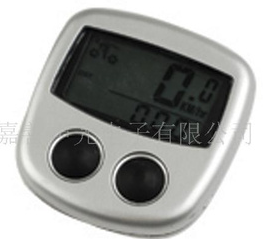
Bicycle Computers
Source high-quality bicycle computers from vetted suppliers and manufacturers in Asia. Designed for importers, distributors, and cycling brands seeking reliable wholesale or OEM/ODM production, our catalog connects you with factory-direct pricing and verified manufacturing partners for bulk orders.
Sourcing bicycle computers at scale requires navigating a highly specialized supply chain primarily concentrated in Shenzhen and Taiwan. The challenge for volume buyers is rarely finding a factory capable of assembling a PCB and an LCD screen; rather, it is ensuring reliable GNSS accuracy, stable ANT+/Bluetooth connectivity, and robust weatherproofing under extreme riding conditions.
Whether you are importing basic wired models for entry-level retail or developing advanced GPS head units for serious cyclists, controlling the component bill of materials (BOM) and assembly process is critical to avoiding high return rates.
Core Specifications and Component Selection
The performance of a modern bicycle computer depends heavily on the quality of its internal components. When negotiating with manufacturers, you must specify the exact chips and materials used, as factories will often substitute cheaper alternatives to lower their costs if left unchecked.
| Feature | Basic/Entry-Level | Advanced GPS/Smart Unit |
|---|---|---|
| Display Technology | Segmented FSTN LCD | High-contrast MIP or IPS Touchscreen |
| Connectivity | Wired or Basic Wireless (2.4GHz) | Dual ANT+ & Bluetooth 5.0+ |
| Positioning | None (Wheel Sensor) | Multi-band GNSS (GPS, GLONASS, Galileo, BeiDou) |
| Battery Life | CR2032 Coin Cell (Months) | Rechargeable Li-ion (15 to 40 hours) |
For smart units, the choice of GNSS chip dictates satellite acquisition speed and accuracy under tree cover. Similarly, specify the exact barometric altimeter component if elevation tracking is a marketed feature, as budget altimeters suffer from severe drift due to temperature changes.
Struggling to verify factory capabilities? Let our sourcing experts evaluate supplier BOMs and technical competencies for your next order.
Talk to our teamManufacturing Quality and Common Defects
Bicycle computers are exposed to constant vibration, UV radiation, and heavy rain. Quality is won or lost during the casing assembly and screen lamination phases. Condensation forming inside the screen is the most common cause of consumer returns, usually resulting from poor ultrasonic welding of the casing or inadequate sealing gaskets.
To mitigate these risks, rigorous Quality Control & Inspection is non-negotiable.
Critical Factory QC Checks for Bike Computers
- Air pressure testing on 100 percent of units to verify IPX7 waterproofing before final assembly.
- Vibration testing (simulating rough terrain) to ensure battery contacts and internal connectors remain secure.
- Thermal shock testing to verify that screen lamination does not separate or fog under rapid temperature shifts.
- Signal attenuation testing for Bluetooth/ANT+ antennas within the finished plastic housing.
If you are developing a custom product, comprehensive Compliance & Testing is required before mass production. Markets like Europe and the US require strict adherence to CE, FCC, and RoHS standards, alongside specific certifications (like BQB) if the device utilizes Bluetooth.
OEM/ODM Customization Capabilities
Many buyers opt for OEM/ODM Services to bring branded bicycle computers to market without the massive R&D overhead of starting from scratch.
When working with an ODM factory, you can typically customize:
- Firmware and UI: Modifying the data fields, menu structures, and boot logos.
- App Integration: Ensuring the hardware communicates seamlessly with your proprietary cycling app or third-party platforms like Strava via standard FIT file exports.
- Industrial Design: Modifying the outer silicone or plastic casing molds to match your brand's design language, while keeping the proven internal PCB layout intact.
Typical Pricing, MOQs, and Lead Times
Pricing in this category is highly elastic, driven primarily by screen type, battery capacity, and the presence of multi-band GPS.
Note: Component shortages in the semiconductor market can occasionally extend lead times for advanced GPS units. Secure your IC allocations early when placing volume orders.
Need realistic pricing and lead times for your specific hardware requirements? Contact us to map out your production schedule.
Get a free consultationFrequently Asked Questions
Sourcing reliable bicycle computers requires looking past the outer casing and understanding the electronic architecture beneath. By carefully auditing your supplier's technical capabilities and enforcing strict environmental testing protocols, you can deliver a product that withstands the elements and meets the high expectations of modern cyclists.
Get Sourcing Help for Bicycle Computers
Tell us your requirements and our experts will connect you with verified manufacturers.