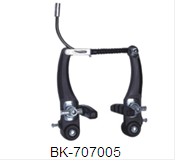
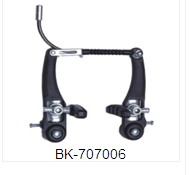
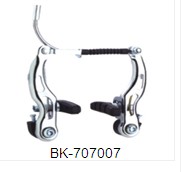
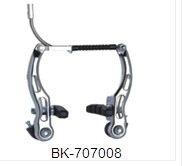
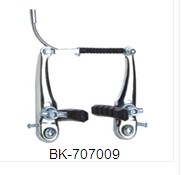
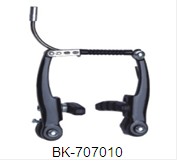
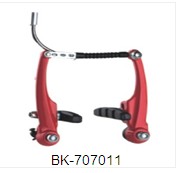
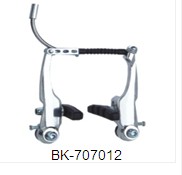
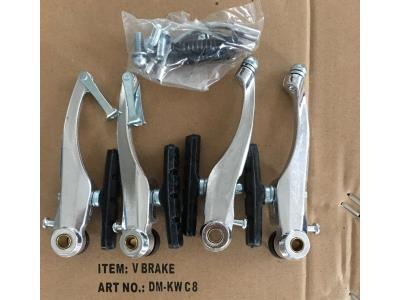
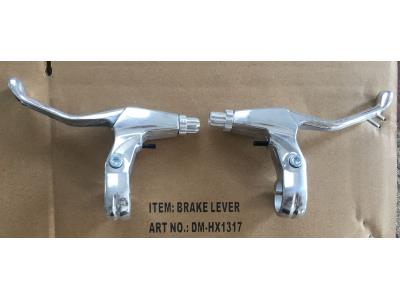
Bicycle Brakes
Source high-performance bicycle brakes from vetted suppliers and manufacturers across Asia. Designed for importers, wholesalers, and cycling brands seeking reliable OEM and private-label production, our network delivers bulk quantities built to exacting industry safety standards.
Sourcing bicycle brakes at volume requires balancing strict safety tolerances with cost-efficient manufacturing. Whether you are procuring hydraulic disc systems for performance mountain bikes or mechanical rim brakes for entry-level commuters, consistency across thousands of units is where factory capability is truly tested. A minor variance in piston seal dimensions or caliper alignment can lead to fluid leaks, poor modulation, or catastrophic failure in the field.
Material Selection and Machining Precision
The manufacturing method dictates both the unit cost and the performance ceiling of the brake system. Brake calipers and master cylinders are typically produced using one of two methods: aluminum die-casting or CNC machining from forged billets.
Die-casting is the industry standard for high-volume, cost-sensitive markets. It allows for rapid production but requires strict porosity controls to prevent microscopic voids in the metal, which can compromise hydraulic pressure. CNC machining, conversely, is reserved for premium systems, offering superior stiffness-to-weight ratios and precise internal fluid routing.
| Manufacturing Method | Typical Application | Tooling Cost | Unit Cost | Tolerance Control |
|---|---|---|---|---|
| Die-Casting | Entry to Mid-tier | High | Low | Moderate |
| Forging + CNC | Premium / Race | High | High | Exceptional |
| Stamping | Budget Mechanical | Moderate | Very Low | Basic |
Rotor manufacturing also requires specific material expertise. High-carbon stainless steel, frequently SUS410, is required to withstand extreme thermal cycling without warping. The stamping and subsequent heat-treatment processes must be carefully monitored to ensure consistent hardness across the braking surface.
Validating a factory's machining capabilities and raw material sourcing requires technical oversight. We audit facilities to ensure they meet your exact engineering specifications.
Talk to our teamQuality Control and Safety Compliance
Bicycle brakes are critical safety components and must meet or exceed international standards, most notably ISO 4210. Relying solely on a supplier's internal testing reports is a significant risk for importers. Implementing rigorous third-party compliance testing is essential before mass production begins.
At the factory level, quality control must occur at multiple stages, not just at final assembly. Effective quality control protocols should verify components before they are sealed within the hydraulic system.
Critical Factory-Level Inspections for Brake Systems
- Hydraulic Seal Integrity: Vacuum and high-pressure testing to ensure zero fluid weeping around pistons and lever bladders.
- Rotor Runout Tolerance: Verifying lateral trueness remains under 0.15mm post heat-treatment.
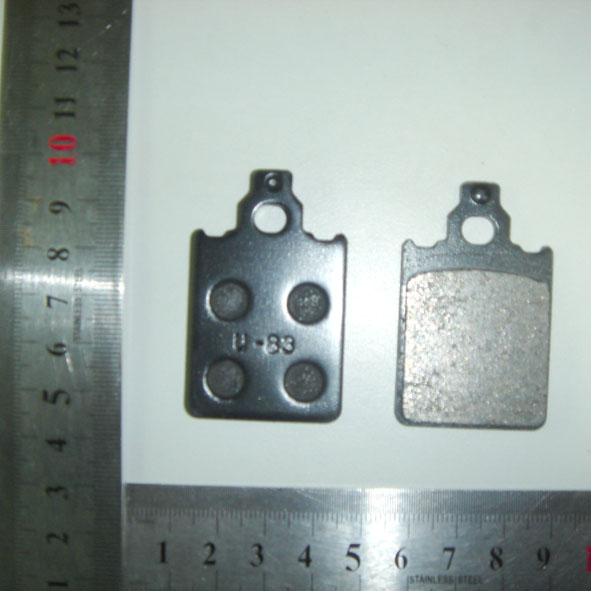
- Brake Pad Friction Coefficient: Batch testing sintered and organic pad compounds for consistent bite and fade resistance.
- Fatigue Testing: Actuating levers for a minimum of 100,000 cycles to verify spring and pivot durability.
- Thread Verification: Checking mounting bolt threads (e.g., Post Mount or Flat Mount) for precise pitch and depth.
Sourcing Mechanics: MOQs, Lead Times, and Pricing
Procuring brake systems directly from manufacturers requires navigating substantial minimum order quantities (MOQs) and fluctuating lead times based on the global cycling supply chain.
For off-the-shelf, white-label designs, factories typically require MOQs ranging from 500 to 1,000 sets. If you are utilizing OEM/ODM services to develop a proprietary caliper design or custom lever ergonomics, expect MOQs to start at 2,000 sets to justify the production line setup and custom tooling.
Tooling costs for custom die-cast molds or forging dies can range from a few thousand to tens of thousands of dollars, depending on complexity. It is crucial to negotiate mold ownership and maintenance terms upfront to protect your intellectual property.
Navigating tooling negotiations, factory minimums, and production schedules requires leverage and local presence. Let our team manage the commercial realities of your supply chain.
Get a free consultationFrequently Asked Questions
Securing a reliable supply of bicycle brakes requires looking past the initial golden sample and thoroughly auditing the factory's long-term process control. Consistent stopping power is a product of relentless quality management on the factory floor.
Get Sourcing Help for Bicycle Brakes
Tell us your requirements and our experts will connect you with verified manufacturers.