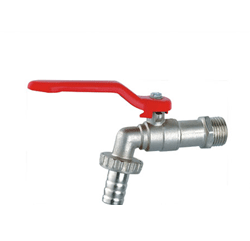
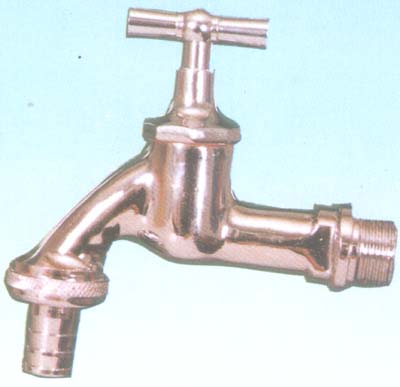
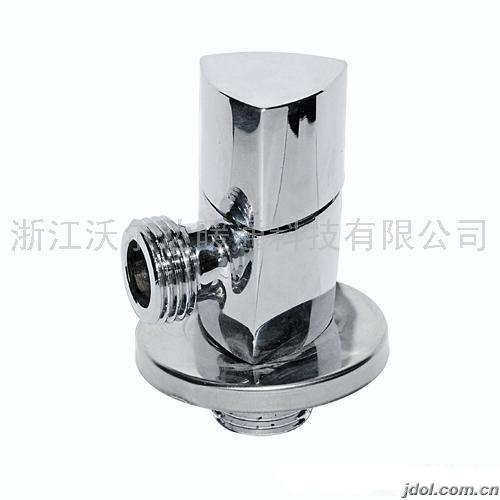
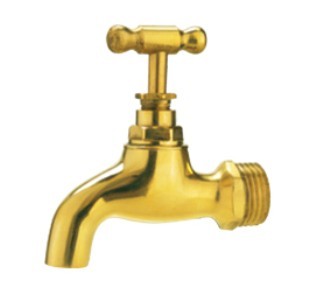
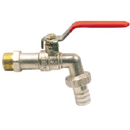
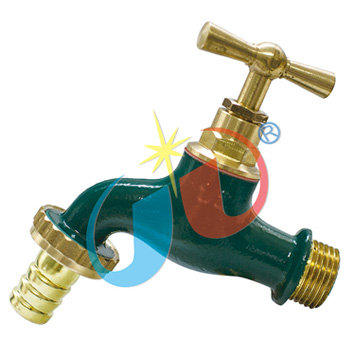
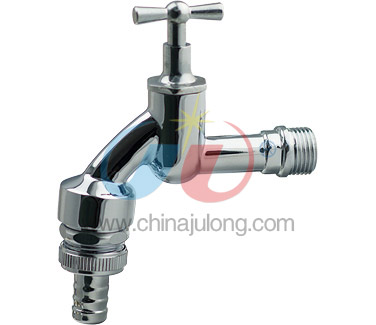
Bibcocks
Source high-quality bibcocks directly from vetted manufacturers and wholesale suppliers. Designed for importers, distributors, and plumbing brands requiring reliable OEM or private-label production, our network offers scalable manufacturing solutions with rigorous quality control to meet global plumbing standards.
Sourcing bibcocks at scale requires balancing aggressive unit costs with long-term mechanical reliability. Because these fixtures are often installed outdoors or in industrial utility settings, they are subjected to harsh environmental conditions, freezing temperatures, and frequent mechanical stress. For bulk buyers, the primary procurement challenge lies in verifying raw material purity and machining precision—cutting corners on brass composition or internal valve cartridges inevitably leads to premature leaks, thread failure, and costly warranty claims.
Material Specifications: Brass Grades and Performance
The core of a durable bibcock is its body material. While stainless steel and zinc alloy (zamak) options exist for specific budget or niche applications, brass remains the industry standard. However, "brass" is a broad term on the factory floor, and specifying the exact alloy is critical for compliance and performance.
| Brass Grade | Characteristics | Typical Application |
|---|---|---|
| CW617N | Standard European grade, low lead content | Potable water systems, premium residential |
| DZR (Dezincification Resistant) | Resists corrosion in aggressive water | Harsh water conditions, mandatory in UK/AUS |
| 57-3 Brass | Standard commercial brass, higher lead allowance | General utility, non-potable outdoor use |
| Zinc Alloy (Zamak) | Lightweight, prone to corrosion over time | Extreme budget markets, temporary installations |
When negotiating with manufacturers, be aware that suppliers may substitute lower-grade brass or reduce the wall thickness to hit a target price. Verifying the physical weight of the sample against the production run is a simple but effective way to detect material skimming.
Need to ensure your bibcock manufacturer is using certified, low-lead brass? We can manage supplier verification and raw material testing on your behalf.
Talk to our teamManufacturing Processes: Forging vs. Casting
How the bibcock body is formed directly impacts its structural integrity.
- Hot Forging: Premium bibcocks are manufactured using hot-forged brass. This process compresses the metal under high pressure, resulting in a dense, uniform internal structure that eliminates the risk of pinhole leaks and micro-porosity.
- Sand Casting: Cheaper alternatives are often sand-cast. While suitable for basic utility taps, casting can leave microscopic air pockets in the metal. If you are sourcing cast bibcocks, strict post-machining pressure testing is non-negotiable.
Internal Valve Mechanisms
The longevity of a bibcock depends entirely on its internal sealing mechanism. Traditional designs use a rising spindle with a rubber washer (EPDM or NBR). These are cost-effective and easy to repair but prone to wear. Modern, higher-end bibcocks utilize quarter-turn ceramic disc cartridges. When utilizing OEM/ODM Services for your brand, specifying the exact cartridge lifespan (e.g., tested to 500,000 cycles) is essential for maintaining brand reputation.
Quality Control and Defect Prevention
Catching defects before they leave the factory is much cheaper than dealing with returns. A robust Quality Control & Inspection protocol for bibcocks should focus on threading precision, surface finish, and pressure tolerance.
Critical QC Checks for Bibcocks
- Air pressure testing (typically at 0.6 to 0.8 MPa) to check for body and cartridge leaks.
- Thread gauging (Go/No-Go gauges) to ensure compliance with BSP or NPT standards.
- Salt spray testing (minimum 24 to 48 hours) to verify the durability of chrome or nickel plating.
- Torque testing on the handle to ensure the spindle does not shear under excessive force.
- Material composition analysis (spectrometer testing) to verify lead content and brass grade.
Pricing Drivers, MOQs, and Lead Times
Bibcock pricing is highly volatile and tightly correlated to the global commodity price of copper and zinc. Because the raw material accounts for the vast majority of the unit cost, any supplier offering prices significantly below market average is likely compromising on weight, brass purity, or internal components.
If you are developing custom handle designs or proprietary body shapes, expect higher MOQs (often exceeding 5,000 pieces) to offset the cost of new forging molds. Before committing to large OEM orders, conducting thorough Factory Audits is highly recommended to verify the supplier's actual forging capacity and in-house testing equipment.
Struggling to find the right balance between unit cost and dependable quality? Let us help you identify and vet the most capable brass manufacturers.
Get a free consultationFrequently Asked Questions
Successfully sourcing bibcocks in bulk means understanding that raw material weight and brass market indexes form an absolute floor for pricing. By specifying exact alloy grades, mandating strict pressure testing, and verifying factory capabilities, you can secure reliable products that protect your margins and your brand's reputation.
Get Sourcing Help for Bibcocks
Tell us your requirements and our experts will connect you with verified manufacturers.