Beer
Source premium beer directly from vetted breweries and contract manufacturers. Designed for importers, regional distributors, and beverage brands seeking reliable wholesale supply or custom OEM private-label production. Partner with top-tier facilities for scalable, compliant, and cost-effective bulk procurement.
Sourcing beer at a commercial scale requires balancing strict flavor consistency with the harsh realities of heavy-liquid logistics. Whether you are importing established regional labels or developing a custom private-label beverage, success hinges on the brewery's standard operating procedures (SOPs) for sanitation, fermentation control, and packaging integrity. Commercial buyers must navigate a complex matrix of microbiological stability, precise formulation, and freight optimization to maintain margins.
Defining Technical Specifications for Contract Brewing
When approaching a brewery for OEM/ODM Services, vague flavor profiles are insufficient. You must define the exact analytical parameters of the liquid. Breweries operate on precise metrics, and your contract should stipulate acceptable tolerances for each.
Key specifications to define include:
- Original Gravity (OG) and Final Gravity (FG): Dictates the fermentation efficiency and residual sweetness.
- Alcohol by Volume (ABV): Must be strictly controlled. Regulatory bodies typically allow a variance of only plus or minus 0.3 percent from the stated label ABV.
- International Bitterness Units (IBU): Measures isomerized alpha acids.
- Standard Reference Method (SRM) / European Brewery Convention (EBC): Quantifies the color of the beer.
- Carbonation Volumes: Typically ranging from 2.2 to 2.8 volumes of CO2, depending on the style.
Need help matching a flavor profile or auditing a contract brewery's capabilities? Talk to our team.
Discuss your brewing projectPackaging Formats and Logistics Efficiency
Packaging dictates not only the shelf life of the beer but also the viability of your import margins. Beer is heavy, and shipping inefficiencies can quickly erase profits.
| Format | Typical Shelf Life | Logistics Efficiency |
|---|---|---|
| Aluminum Cans (330ml/500ml) | 9 to 12 months | High (Stackable, lightweight, blocks 100% UV) |
| Glass Bottles (Amber) | 6 to 9 months | Medium (Heavy, fragile, potential for light strike) |
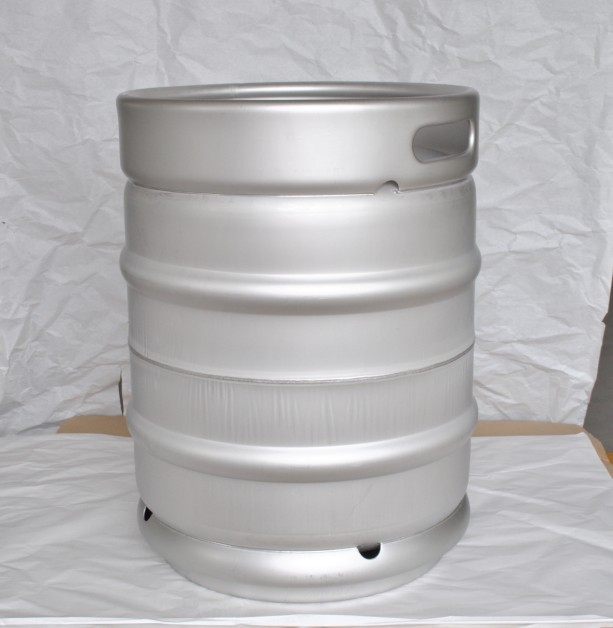
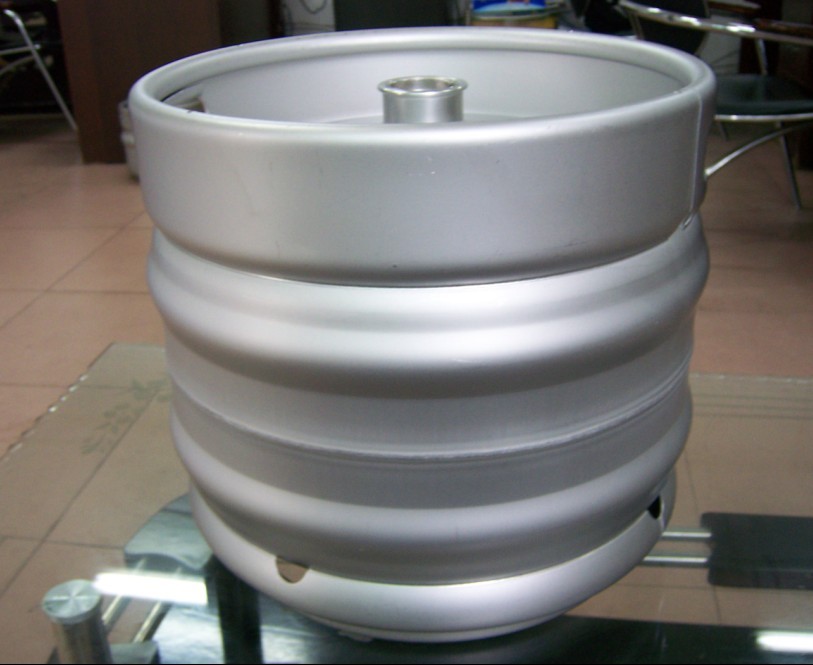
| One-Way PET Kegs (20L/30L) | 6 to 9 months | Very High (No return logistics required for draft) |
Quality Control and Brewery Audits
The greatest risk in bulk beer sourcing is microbiological contamination and oxidation. A beer that tastes perfect in the brite tank can arrive at its destination tasting of wet cardboard (oxidation) or butter (diacetyl from bacterial infection) if packaging lines are not properly managed.
When evaluating a production partner, focus heavily on their packaging line technology and QA/QC laboratory capabilities.
Critical Brewery Audit Checkpoints
- Dissolved Oxygen (DO) monitoring: Ensure DO pickups during packaging are under 50 ppb.
- Pasteurization capabilities: Tunnel or flash pasteurization units (PU) tracking for export stability.
- Microbiological plating: Routine testing for Lactobacillus and Pediococcus.
- Seam analysis: Routine double-seam tear-downs for cans to prevent micro-leaks.
- CIP (Clean-in-Place) automation: Verifiable logs for chemical concentrations and temperatures.
To ensure the product meets your market's regulatory standards before shipping, rigorous Compliance & Testing is mandatory. This includes verifying ABV for tax purposes and testing for heavy metals or unapproved additives.
Production Realities: MOQs, Lead Times, and Pricing
Contract brewing is a volume game. Breweries cannot efficiently brew half a tank. Therefore, Minimum Order Quantities (MOQs) are almost always dictated by the brewhouse size (e.g., a 50-hectoliter system) or the minimum run size for printed cans.
Pricing is driven primarily by raw materials (malt and hop yield), packaging materials, and taxes. Because beer is a low-margin, high-weight commodity, optimizing your Shipping & Freight is just as critical as negotiating the per-liter liquid cost. Shipping full container loads (FCL) without dead space, and utilizing thermal liners to protect against temperature spikes during ocean transit, are standard practices for successful importers.
Struggling with high landed costs? Talk to our team about optimizing your beverage supply chain.
Get a freight and sourcing analysisBuyer FAQ
Successful beer sourcing requires looking past the tasting notes to scrutinize the brewery's standard operating procedures and logistics capabilities. When you secure a partner with rigorous dissolved oxygen control and efficient export loading processes, you protect both your brand's reputation and your profit margins.
Get Sourcing Help for Beer
Tell us your requirements and our experts will connect you with verified manufacturers.