Bee Products
Source high-quality Bee Products in bulk directly from vetted manufacturers. Designed for importers, wholesalers, and supplement brands seeking OEM and private-label production, our network delivers reliable, standardized raw materials and finished goods with strict quality control.
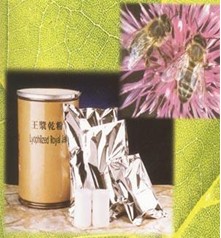
Sourcing bee products for the healthcare supplement market requires navigating a highly fragmented supply chain where raw material variability and adulteration are persistent risks. Whether you are procuring lyophilized royal jelly powder, standardized propolis blocks, or bulk bee pollen, securing consistent active compound profiles while maintaining rigorous limits on agricultural residues is the primary challenge for volume buyers.
Specifying Active Compounds
The commercial value of bee-derived supplements is dictated by their bioactive markers. Factories grade and price these materials based on the concentration of specific acids and flavonoids. Failing to specify the testing methodology alongside the percentage requirement often leads to receiving inferior or heavily diluted extracts.
| Material | Key Bioactive Marker | Typical Specification | Common Formats |
|---|---|---|---|
| Royal Jelly | 10-HDA | Minimum 4.0% to 6.0% | Lyophilized Powder, Fresh |
| Propolis | Total Flavonoids | Minimum 10% to 70% | Extract Powder, Liquid, Block |
| Bee Pollen | Protein Content | Minimum 15% to 25% | Granules, Fine Powder |
When drafting your purchase orders, ensure the supplier commits to high-performance liquid chromatography (HPLC) testing for markers like 10-HDA (10-Hydroxy-2-decenoic acid) in royal jelly.
Need help verifying supplier specifications and laboratory testing capabilities?
Talk to our teamMitigating Contamination and Adulteration Risks
Because bees forage over wide areas and beekeepers utilize various treatments to maintain hive health, raw bee products are highly susceptible to chemical contamination. Furthermore, economically motivated adulteration is rampant in the lower tiers of the market.
To protect your brand and ensure market access, your sourcing protocol must address three distinct risk categories. Utilizing professional Compliance & Testing services is non-negotiable for these materials.
Critical Quality Control Checkpoints for Bee Products
- Heavy Metals: Propolis is notorious for lead (Pb) accumulation. Specify limits under 2.0 ppm or strict adherence to USP/EP pharmacopeia standards.
- Antibiotics & Miticides: Screen for chloramphenicol, tetracyclines, and fluvalinate residues commonly used in commercial apiaries.
- Synthetic Adulteration: Ensure royal jelly is tested via carbon isotope analysis to detect the illicit addition of synthetic 10-HDA, a common tactic to artificially inflate grades.
- Microbiological Limits: Bee pollen requires strict sterilization (often via irradiation or ozone) to control yeast, mold, and salmonella before encapsulation.
Manufacturing Formats and OEM Production
Buyers typically source bee products either as bulk raw ingredients for domestic manufacturing or as finished, private-label supplements. If you are utilizing OEM/ODM Services to produce finished goods at the origin, the physical properties of the extract dictate the manufacturing process.
For instance, propolis extract is highly hygroscopic and sticky. Formulating it into a two-piece hard capsule requires precise blending with excipients like maltodextrin or silicon dioxide to ensure flowability on the encapsulation line. Alternatively, propolis is often suspended in carrier oils for softgel production. Implementing robust Quality Control & Inspection during the blending and encapsulation phases is critical to ensure uniform dosage across the batch.
Typical MOQs, Pricing Drivers, and Lead Times
Pricing for bee products is highly volatile, driven by seasonal yields, climate conditions in primary producing regions, and the specific extraction technologies utilized.
Lead times can extend significantly if you require specialized purification, such as heavy-metal removal via macroporous resin technologies for premium propolis extracts.
Streamline your procurement and secure competitive bulk pricing from audited manufacturers.
Get a free consultationFrequently Asked Questions
Sourcing premium bee products requires a deep understanding of apiculture supply chains, rigorous analytical testing, and strict oversight of the extraction process. By partnering with technically capable manufacturers and enforcing uncompromising specifications, you can secure potent, compliant, and safe materials for your supplement lines.
Get Sourcing Help for Bee Products
Tell us your requirements and our experts will connect you with verified manufacturers.