Bean Product Processing Machinery
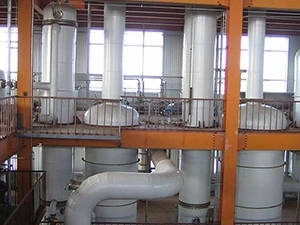
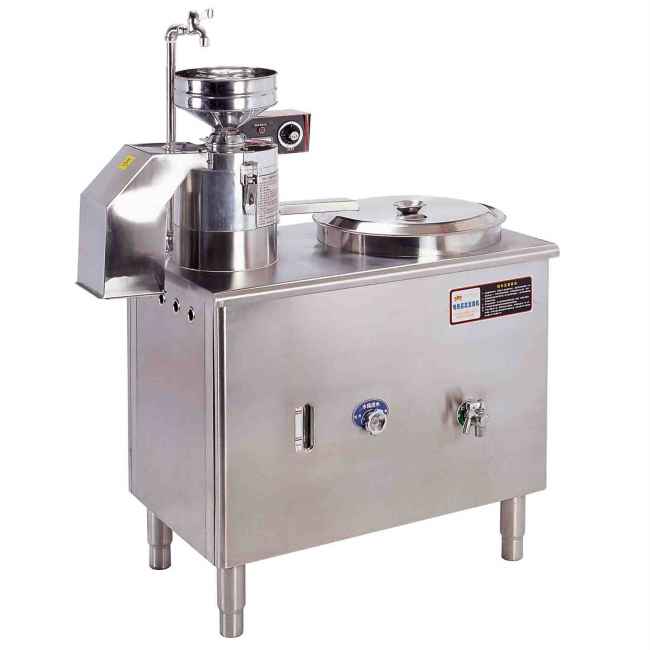
Source commercial-grade Bean Product Processing Machinery from vetted suppliers and manufacturers across Asia. Tailored for food industry importers, wholesale distributors, and procurement managers, our network delivers high-capacity extraction, boiling, and pressing equipment built to rigorous international food safety standards.
Procuring industrial bean product processing machinery requires balancing extraction efficiency with strict sanitary design. Whether you are equipping a high-volume soy beverage facility or sourcing integrated processing lines for distribution, the core challenges remain the same: maximizing protein yield from raw soybeans, ensuring consistent heating and coagulation, and verifying that all food-contact surfaces meet international hygiene standards.
Core Specifications and Performance Metrics
When evaluating manufacturers, look beyond stated hourly capacities. The true value of bean processing equipment lies in its extraction rate and mechanical reliability under continuous operation.
| Specification | Standard Commercial | Industrial Automated Line |
|---|---|---|
| Processing Capacity | 50 to 200 kg/h (dry beans) | 500 to 2,000+ kg/h |
| Material Grade | SUS304 (Food Contact) | SUS316L (High-wear/corrosive areas) |
| Control System | Manual / Push-button | PLC (Siemens/Mitsubishi) with HMI |
| Grinding Mechanism | Single-stage corundum | Multi-stage colloid mill / twin-screw |
Extraction and Separation Efficiency
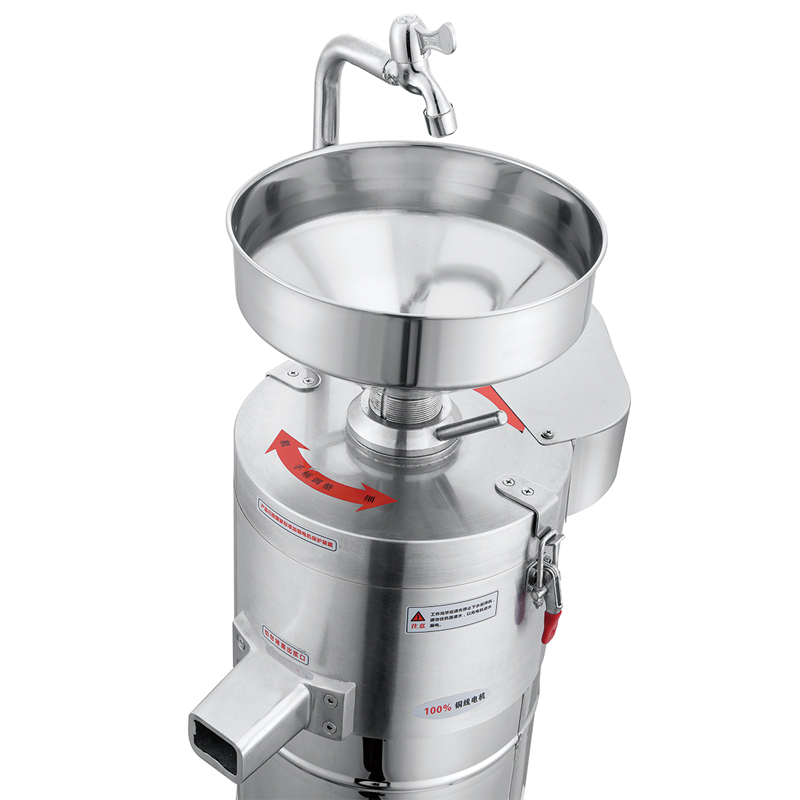
The grinding and separation phase dictates overall yield. High-quality machinery utilizes double-grinding or multi-stage centrifugal separation to extract maximum protein, typically achieving a dry-bean to soy-milk ratio of 1:8 or higher, depending on the desired Brix level. Look for precision-machined grinding wheels that maintain tight tolerances to prevent overheating the slurry, which can denature proteins prematurely.
Struggling to verify supplier claims on extraction yields and machine durability? Let us handle the technical vetting and factory negotiations.
Get a free consultationManufacturing Quality and Sanitary Design
The most common failure point in food & beverage machinery is poor sanitary design. Equipment must be engineered for Clean-In-Place (CIP) systems, meaning no dead legs, smooth internal welds, and self-draining pipework.
When evaluating a factory's capability, pay close attention to their metal fabrication processes. Poor argon arc welding leaves micro-crevices that harbor bacteria, leading to product spoilage and compliance failures. Conducting thorough Factory Audits before placing an order is critical to ensure the supplier possesses the necessary laser cutting and automated welding equipment to meet hygienic standards.
Critical Pre-Shipment Inspection Points
- Verify surface roughness (Ra) of all food-contact zones is under 0.8 micrometers.
- Inspect weld seams for porosity, undercut, or incomplete penetration.
- Test motor and pump operation under load for vibration and thermal stability.
- Confirm CE/NSF compliance documentation and electrical safety (e.g., IP65-rated enclosures).
To prevent receiving non-compliant equipment, implementing rigorous Quality Control & Inspection protocols at the factory level is essential. This ensures any fabrication defects or electrical mismatches are corrected before the machinery is crated.
Buying Mechanics: Pricing, MOQs, and Lead Times
Sourcing heavy machinery differs significantly from standard consumer goods. Capital equipment is rarely kept in stock and is usually built to order based on your local voltage and specific process requirements.
Customization and OEM Requirements
Many buyers require specific footprint adaptations, custom CIP integration, or localized HMI interfaces. Engaging in OEM/ODM Services allows you to tailor the machinery to your facility's exact layout and automation standards. Ensure your supplier has a robust engineering team capable of producing accurate CAD layouts before manufacturing begins.
Need to coordinate complex machinery customization, factory inspections, and heavy freight? We manage the entire procurement cycle.
Talk to our teamFrequently Asked Questions
Successful procurement of bean product processing machinery requires stringent oversight from the initial specification sheet to final factory acceptance testing. By focusing on sanitary design, extraction efficiency, and robust quality control, buyers can secure equipment that delivers reliable lifetime value.
Get Sourcing Help for Bean Product Processing Machinery
Tell us your requirements and our experts will connect you with verified manufacturers.