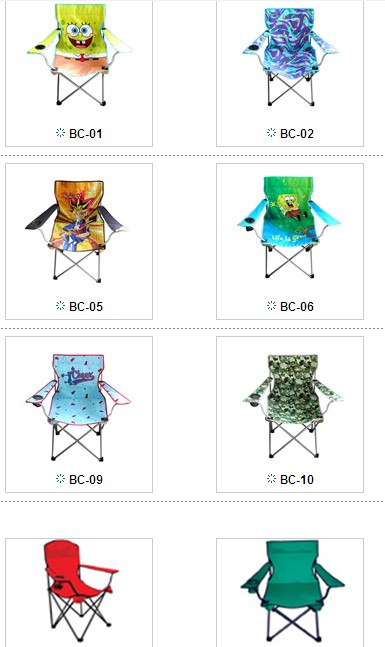
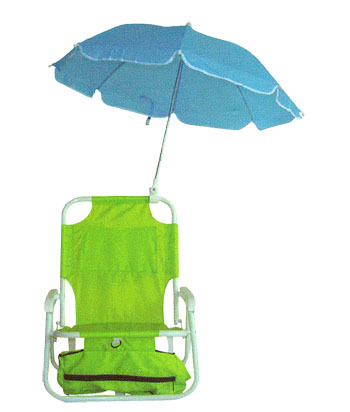
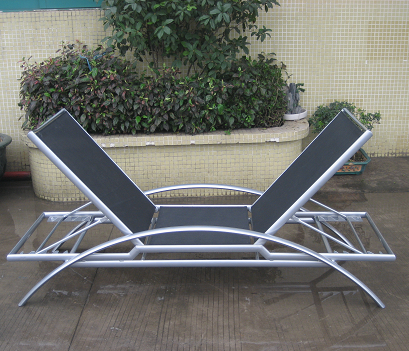
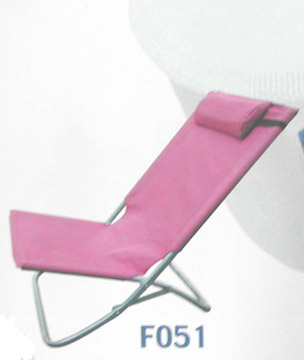
Beach Chairs
Source high-quality beach chairs directly from vetted manufacturers and suppliers. Designed for importers, wholesalers, and outdoor furniture brands looking for reliable OEM and private-label production, our network delivers bulk volume with strict quality control and competitive pricing.
Sourcing beach chairs at scale requires balancing conflicting demands: the final product must be lightweight enough for portability, robust enough to handle heavy dynamic loads, and highly resistant to salt, sand, and UV degradation. For volume buyers, securing a reliable supply chain means looking past surface aesthetics and rigorously evaluating a manufacturer's metal fabrication, fabric sourcing, and assembly tolerances.
Frame Materials and Structural Specifications
The core of any beach chair is its frame. The material choice dictates not only the product's market positioning but also its shipping weight and longevity in coastal environments.
Aluminum is the industry standard for mid-to-premium tiers, typically utilizing 6063-T5 alloy for an optimal balance of tensile strength and weight. For budget or promotional items, steel is common, but it requires meticulous surface treatment to survive salt air.
| Frame Material | Key Advantages | Primary Vulnerabilities | Ideal Market Application |
|---|---|---|---|
| Aluminum (6063-T5) | Lightweight, naturally corrosion-resistant | Higher raw material cost, lower yield strength than steel | Premium retail, outdoor specialty brands |
| Powder-Coated Steel | High load capacity, lower unit cost | Highly prone to rust if coating is breached | Promotional items, budget retail |
| Hybrid (Alum/Steel) | Balances cost and weight | Dissimilar metals can cause galvanic corrosion | Mid-tier big box retail |
Beyond the material itself, tube geometry matters. A standard beach chair requires a tube wall thickness of at least 1.0mm to safely support up to 250 lbs. Manufacturers quoting unusually low prices often secretly reduce wall thickness to 0.8mm or use thinner gauge rivets, which drastically increases the failure rate under dynamic loads (when a user drops into the chair).
Manufacturing Tolerances and Quality Control
Assembly is where most beach chairs succeed or fail. Because these chairs rely on folding mechanisms, the joints undergo immense repetitive stress.
Rivets are the primary point of failure. A poorly compressed rivet will loosen over time, causing the chair frame to torque and eventually collapse. Conversely, an over-compressed rivet will bite into the aluminum tube, creating a stress fracture. Verifying these tolerances on the factory floor is essential, which is why rigorous Quality Control & Inspection is critical before containers are loaded.
Critical QC Checkpoints for Beach Chairs
- Tube wall thickness verification (minimum 1.0mm for standard adult load bearing)
- Rivet compression checks and nylon washer presence (prevents sheer failure and metal-on-metal wear)
- Fabric seam allowance and double-stitching at all load-bearing anchor points
- Salt spray testing for powder coating or anodizing adhesion (minimum 48 hours)
- Folding mechanism cycle testing to ensure smooth operation without binding
Need help auditing a factory's structural testing capabilities before placing a volume order?
Talk to our teamFabric Selection and OEM Customization
The sling material must withstand UV radiation, saltwater, and abrasion. The two dominant materials are 600D Oxford polyester (often with a PVC or PU backing for waterproofing) and Textilene (a woven PVC-coated polyester yarn). Textilene is highly preferred for premium beach chairs because it is breathable, drains water instantly, and resists mold.
For brands looking at OEM/ODM Services, customization usually involves custom fabric printing, branded molded plastic armrests, and bespoke storage features (like built-in coolers or backpack straps). Custom plastic armrests require injection molding tooling, which will incur an upfront mold fee if you are diverging from the factory's open molds.
Buying Mechanics: MOQ, Pricing, and Lead Times
Beach chair manufacturing is highly seasonal. Factories run at maximum capacity from November through March to supply Northern Hemisphere summer demand. Placing orders late in the sourcing cycle will result in extended lead times and less room for price negotiation.
Pricing is heavily indexed to the LME (London Metal Exchange) aluminum prices and the cost of petroleum-based fabrics. When negotiating, ensure your supplier is quoting based on a specific Compliance & Testing standard, such as EN 581 (European standard for outdoor furniture) or BIFMA guidelines, to ensure apples-to-apples price comparisons.
Struggling to manage peak-season production schedules and freight consolidation? Let's optimize your supply chain.
Get a free consultationFrequently Asked Questions
Successfully sourcing beach chairs in volume requires a strict focus on structural integrity and material durability. By controlling tube thickness, rivet quality, and fabric specifications at the factory level, buyers can eliminate the high return rates that plague poorly manufactured outdoor furniture. Partnering with a team that understands these factory-floor realities ensures your production runs smoothly and your products perform reliably in the field.
Get Sourcing Help for Beach Chairs
Tell us your requirements and our experts will connect you with verified manufacturers.