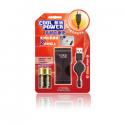
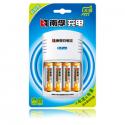
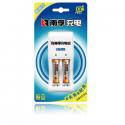
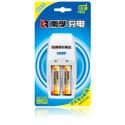
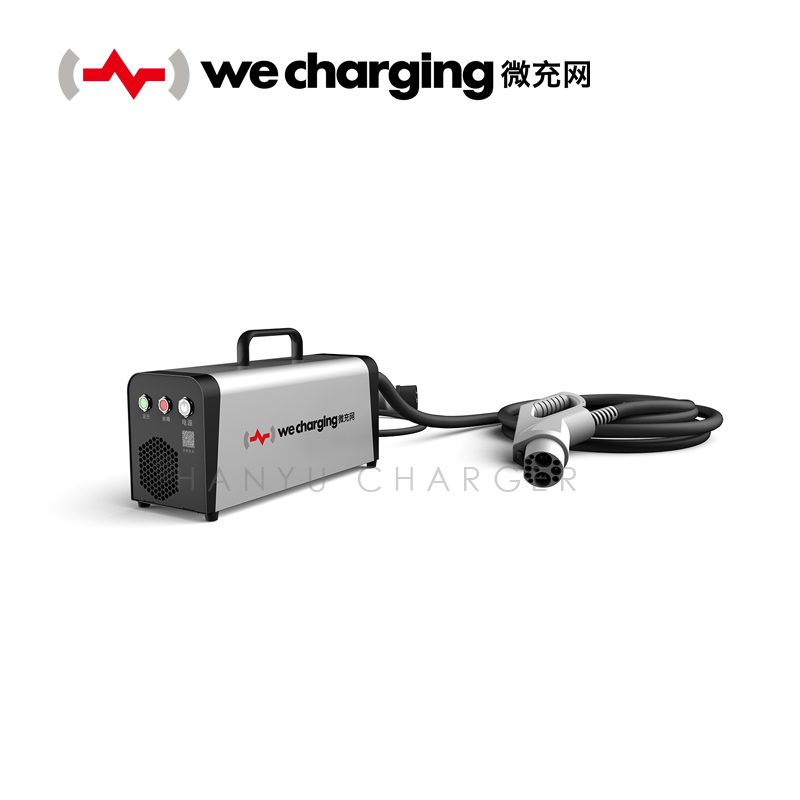
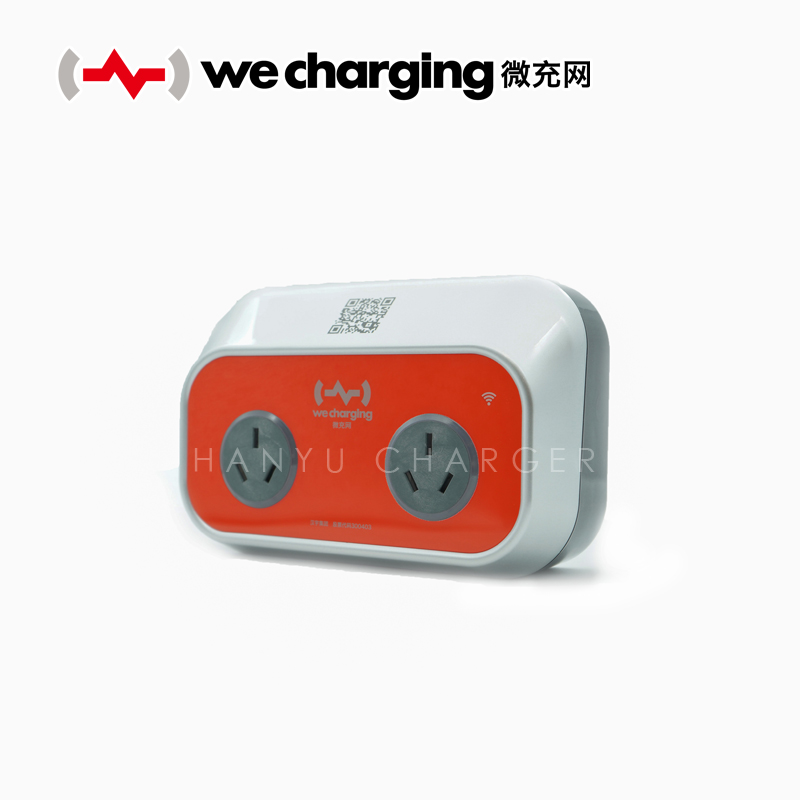
Battery Chargers
Source high-quality battery chargers from vetted suppliers and manufacturers across Asia. Designed for importers, wholesalers, and brands seeking reliable OEM/ODM production, our network delivers certified, high-performance charging solutions built for global markets.
Sourcing battery chargers at scale requires navigating a complex matrix of power density, thermal management, and strict regulatory compliance. Whether you are procuring standard 20W adapters or multi-port 100W GaN chargers, your margin depends on selecting manufacturing partners capable of precision PCBA assembly and rigorous safety testing. A failure in quality control does not just mean a high return rate; in the power supply category, it carries severe liability risks.
Architecting for Power and Thermal Efficiency
The transition from traditional silicon to Gallium Nitride (GaN) has fundamentally changed the charger manufacturing landscape. Buyers must specify not only the total wattage but the underlying architecture, switching frequency, and supported protocols (such as USB-PD 3.0, QC 4.0, and PPS).
When evaluating a manufacturer's technical capability, review their approach to thermal dissipation. High-density chargers require advanced potting compounds or thermal pads to move heat away from the transformer and switching components.
| Architecture | Switching Frequency | Thermal Efficiency | Form Factor |
|---|---|---|---|
| Traditional Silicon | Standard (up to 100kHz) | Moderate heat generation | Larger footprint |
| Gallium Nitride (GaN) | High (up to 1MHz+) | Excellent heat dissipation | Compact, high density |
Navigating GaN supply chains and verifying PCBA quality requires engineering oversight. Let us handle the technical vetting and factory qualification.
Talk to our teamFactory Floor Realities: Where Quality is Won or Lost
The reliability of a battery charger is determined on the Surface Mount Technology (SMT) line and during the final testing phases. Poor solder joints, substandard capacitors, or inadequate transformer isolation will lead to voltage spikes and premature failure.
To ensure stability across high-volume orders, professional buyers implement strict Quality Control & Inspection protocols that focus on the factory's automated and manual testing procedures.
Critical Factory-Level Checks
- Automated Optical Inspection (AOI) yields on the SMT line to catch soldering defects
- 100% aging/burn-in testing (minimum 2 to 4 hours at full load) to weed out early failures
- Hipot (Dielectric Withstand) testing to verify insulation integrity between primary and secondary circuits
- Use of fire-retardant V0-grade PC/ABS casing materials
Navigating Compliance and Certification
Importing power supplies requires navigating a minefield of regional regulations. Customs authorities routinely seize non-compliant chargers. It is not enough for a supplier to claim they can meet CE or FCC standards; the specific PCBA design must be certified, and the factory must hold valid, verifiable test reports from recognized laboratories.
If you are modifying an existing design or developing a new product, working with a partner who understands Compliance & Testing from the design phase is critical to avoid costly redesigns after failing a UL or ETL evaluation.
Sourcing Mechanics: MOQs, Lead Times, and Pricing
Pricing for battery chargers is highly elastic, driven by wattage, the number of output ports, GaN integration, and the quality of internal components (e.g., Japanese vs. domestic Chinese capacitors).
For brands looking to differentiate through custom industrial design or proprietary power allocation firmware, utilizing OEM/ODM Services is the standard route. Custom tooling for a new charger enclosure typically adds 20 to 30 days to the initial timeline and requires upfront mold fees, which are often rebated after a set order volume.
Need to align production schedules with tight compliance deadlines? We manage the end-to-end sourcing process to keep your supply chain moving.
Get a free consultationSecuring a reliable supply of battery chargers means looking past the outer casing and evaluating the manufacturer's engineering discipline, component sourcing, and quality control rigor. By partnering with factories that prioritize safety and consistency, you protect your brand and your bottom line.
Get Sourcing Help for Battery Chargers
Tell us your requirements and our experts will connect you with verified manufacturers.