Battery Boxes & Racks
Source premium Battery Boxes & Racks from vetted suppliers and manufacturers across Asia. Designed for importers, wholesalers, and renewable energy brands looking for reliable wholesale or OEM/ODM production, our network delivers scalable, compliant enclosures built to protect critical energy storage systems.
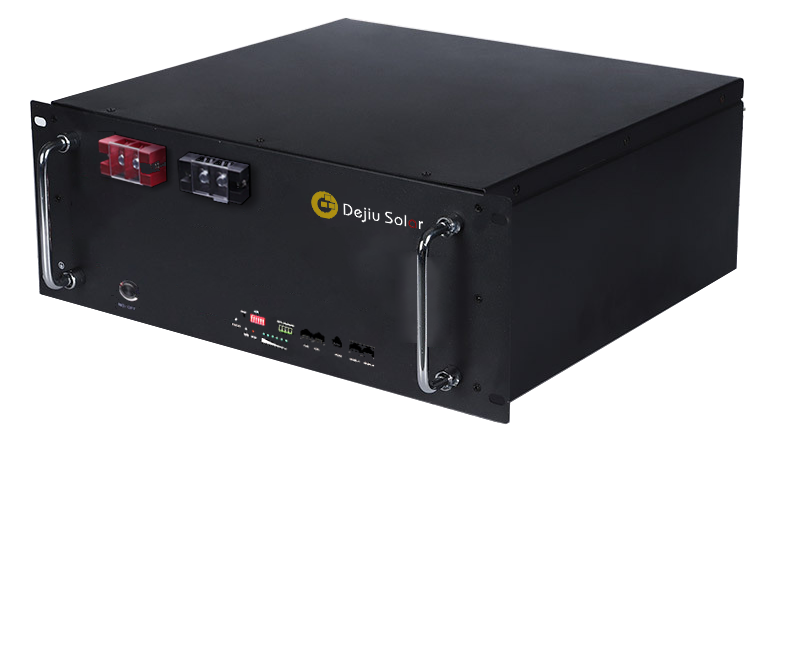
Battery enclosures and racks are the structural backbone of any energy storage system (ESS). Whether you are sourcing standard 19-inch server-rack style cabinets for indoor lithium-ion modules or heavy-duty, weather-resistant enclosures for commercial outdoor deployment, the sourcing challenge remains the same: balancing structural integrity, thermal management, and strict dimensional tolerances. Even minor warping during the welding process can render an entire production run useless for standardized battery modules.
Successfully importing these units in bulk requires partnering with sheet metal fabricators who understand the specific demands of the renewable energy sector, rather than generalist metal shops.
Material Selection and Structural Specifications
The foundation of a reliable battery rack or box is the raw material and its gauge. Most indoor racks utilize cold-rolled steel (SPCC) ranging from 1.2mm to 2.0mm in thickness, depending on the load-bearing requirements. For outdoor enclosures, galvanized steel or aluminum alloys are standard to prevent corrosion, often paired with an outdoor-grade UV-resistant powder coating.
| Specification | Indoor Battery Racks | Outdoor Battery Boxes |
|---|---|---|
| Typical Material | Cold-rolled steel (SPCC) | Galvanized steel / Aluminum |
| IP Rating | IP20 to IP31 | IP54 to IP65 |
| Surface Treatment | Standard powder coating | Anti-corrosion primer + UV powder coat |
| Thermal Management | Passive ventilation / Mesh doors | Active fans or integrated HVAC |
When specifying your product, clearly define the static load capacity. A standard 42U battery rack must safely support hundreds of kilograms. Insufficient material thickness or poor structural design at the base can lead to catastrophic failure under full load.
Need reliable manufacturers for custom energy storage enclosures? We handle supplier vetting and production oversight so you can scale without quality risks.
Talk to our teamManufacturing Tolerances and Customization
Energy storage brands frequently require OEM/ODM Services to customize enclosures for proprietary battery cell form factors, specific cable routing paths, or integrated busbars.
The quality of the final product is dictated by the factory's fabrication equipment. High-end suppliers utilize precision CNC laser cutting and CNC bending machines to ensure dimensional accuracy. Welding is another critical failure point; look for suppliers utilizing robotic welding for consistent seams, especially for IP65 outdoor boxes where water ingress is a primary concern. Before committing to a large tooling investment for a custom enclosure, conducting thorough Factory Audits is essential to verify the supplier's in-house capabilities and equipment maintenance.
Critical Quality Control Checkpoints
Catching defects in sheet metal fabrication is difficult once the goods are packed. Implementing rigorous Quality Control & Inspection prior to shipment is non-negotiable.
Pre-Shipment Inspection Focus Areas
- Dimensional accuracy: Verify rail spacing and mounting hole alignment against CAD drawings.
- Coating thickness: Measure powder coat depth (typically 60-80 microns) to ensure rust prevention.
- Weld integrity: Inspect for porosity, cold welds, or burn-through on load-bearing joints.
- IP rating verification: Check gasket compression and door seal alignment for water/dust resistance.
- Hardware check: Ensure all hinges, locks, and grounding studs are properly installed and functional.
Pricing, MOQs, and Production Realities
The cost of battery boxes and racks is highly sensitive to raw material indices (steel and aluminum prices) and the complexity of the fabrication process.
Tooling costs for custom punch dies or specific extrusion profiles can range from a few hundred to several thousand dollars. It is standard practice to negotiate tooling ownership upfront—ensuring that if you change suppliers, the molds and dies you paid for belong to your company.
Struggling with inconsistent metal fabrication quality or rising freight costs? Let us streamline your supply chain and negotiate better terms on your behalf.
Get a free consultationFrequently Asked Questions
Sourcing battery boxes and racks at scale is an exercise in precision metalwork and strict quality assurance. By clearly defining your material specs, verifying factory capabilities, and enforcing tight dimensional tolerances, you can build a resilient supply chain that supports your energy storage deployments without structural compromises.
Get Sourcing Help for Battery Boxes & Racks
Tell us your requirements and our experts will connect you with verified manufacturers.