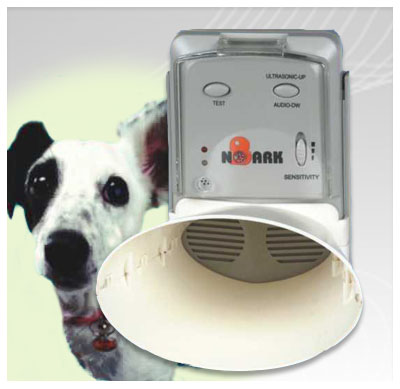
Bark Control
Source reliable bark control devices directly from vetted manufacturers and wholesale suppliers. Designed for importers, distributors, and pet brands seeking high-quality OEM and private-label production, our network delivers scalable solutions for static, ultrasonic, and vibration collars.
Sourcing electronic bark control devices requires navigating a complex landscape of sensor accuracy, battery safety, and humane compliance. The primary challenge isn't simply finding a supplier; it is identifying a manufacturing partner capable of consistent microphone sensitivity calibration, reliable waterproofing, and stable microcontroller (MCU) programming to ensure the device triggers accurately without false corrections.
Core Specifications and Component Selection
The reliability of a bark collar hinges on its internal components. When negotiating with factories, professional buyers must specify exact component grades rather than accepting off-the-shelf defaults.
Key technical specifications to define include:
- Sensor Technology: Specify whether the unit uses a sound-activated microphone, a vocal cord vibration sensor, or a dual-sensor array. Dual sensors significantly reduce false triggers from other dogs barking nearby.
- Microcontroller Unit (MCU): The MCU dictates the correction algorithm (e.g., warning beep, followed by vibration, followed by progressive static). Custom algorithms require OEM/ODM Services to reprogram the firmware.
- Battery Specifications: Most modern units use rechargeable Lithium-Polymer (Li-Po) batteries. Specify the mAh capacity (typically 250mAh to 500mAh) and ensure the supplier can provide UN38.3 test reports for safe freight forwarding.
- Ingress Protection (IP) Rating: For outdoor use, the casing must achieve an IP67 or IP68 rating. This requires high-quality silicone gaskets and ultrasonic welding on the plastic housing.
| Sensor Configuration | Trigger Mechanism | False Trigger Risk | Manufacturing Complexity |
|---|---|---|---|
| Microphone Only | Ambient Sound (Decibels) | High (Environmental noise) | Low (Standard PCB) |
| Vibration Only | Vocal Cord Movement | Low | Medium (Requires precise skin contact) |
| Dual Sensor (Mic + Vib) | Simultaneous Sound & Movement | Extremely Low | High (Complex MCU programming) |
Struggling to find a factory that can reliably execute dual-sensor bark control technology? Let us help you identify and vet qualified electronics manufacturers.
Get a free consultationManufacturing Quality Control and Common Defects
Bark control devices are high-liability products. A malfunctioning static collar can cause injury to a pet, leading to high return rates and brand damage. Quality control must be integrated at the component level, not just post-assembly.
During Quality Control & Inspection, specific attention must be paid to the PCB assembly and the final casing seal. Factories cutting corners often use inferior conductive points or fail to test the waterproofing adequately.
Critical Pre-Shipment Inspection Checkpoints
- Trigger Calibration: Testing the decibel threshold required to activate the device.
- Algorithm Progression: Verifying that the MCU correctly escalates warnings before applying static correction.
- Water submersion testing (IP67 validation) on a statistically significant sample size.
- Battery discharge rate testing to ensure standby times meet the specified 10 to 14 days.
- Conductive probe threading and structural integrity.
Compliance and Market Regulations
Electronic pet training devices are subject to strict regulatory standards. For the US market, FCC certification is mandatory due to the electronic emissions. For Europe, CE (EMC directive) and RoHS compliance are required. Engaging in proper Compliance & Testing early in the product development phase prevents costly customs holds or market recalls.
Sourcing Mechanics: Pricing, MOQs, and Lead Times
Pricing for bark control devices is heavily dependent on the sensor array, battery capacity, and housing materials. White-labeling an existing factory mold is the fastest route to market, while custom enclosures require new injection molds, increasing both lead time and initial capital outlay.
Need to negotiate better pricing or lower MOQs without sacrificing component quality? Speak with our sourcing experts.
Talk to our teamFrequently Asked Questions
Successfully sourcing bark control technology means prioritizing electronic stability and humane reliability over the lowest unit price. By enforcing strict component specifications and rigorous inline testing, importers can build a profitable, low-return product line.
Get Sourcing Help for Bark Control
Tell us your requirements and our experts will connect you with verified manufacturers.