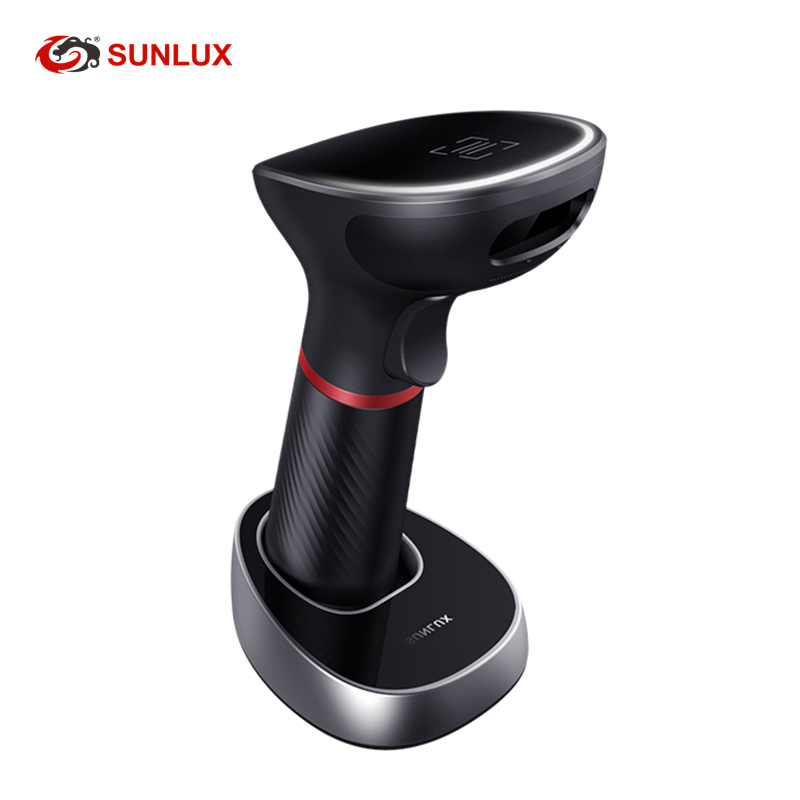
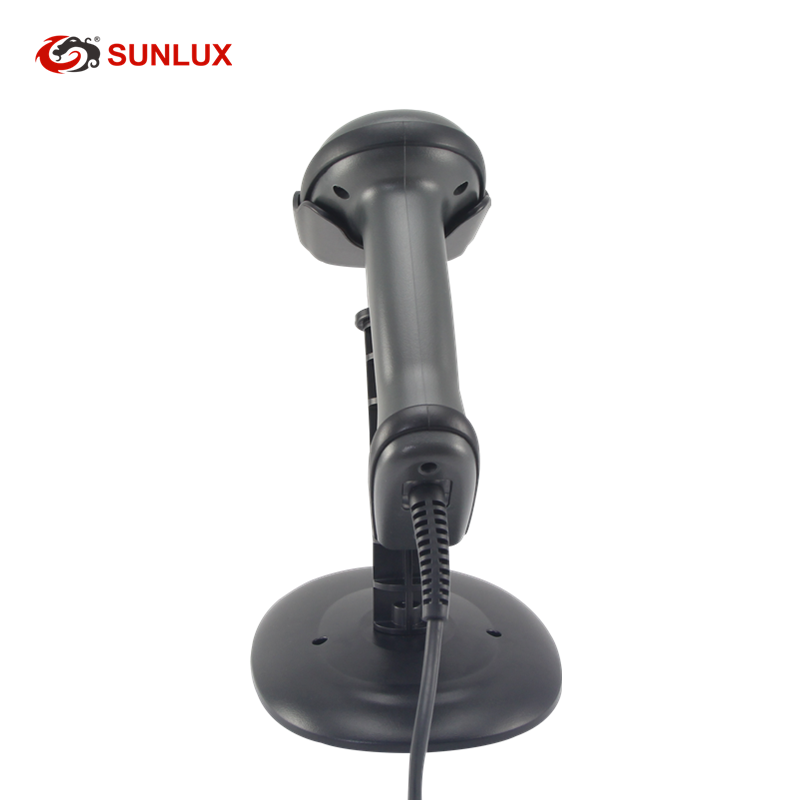
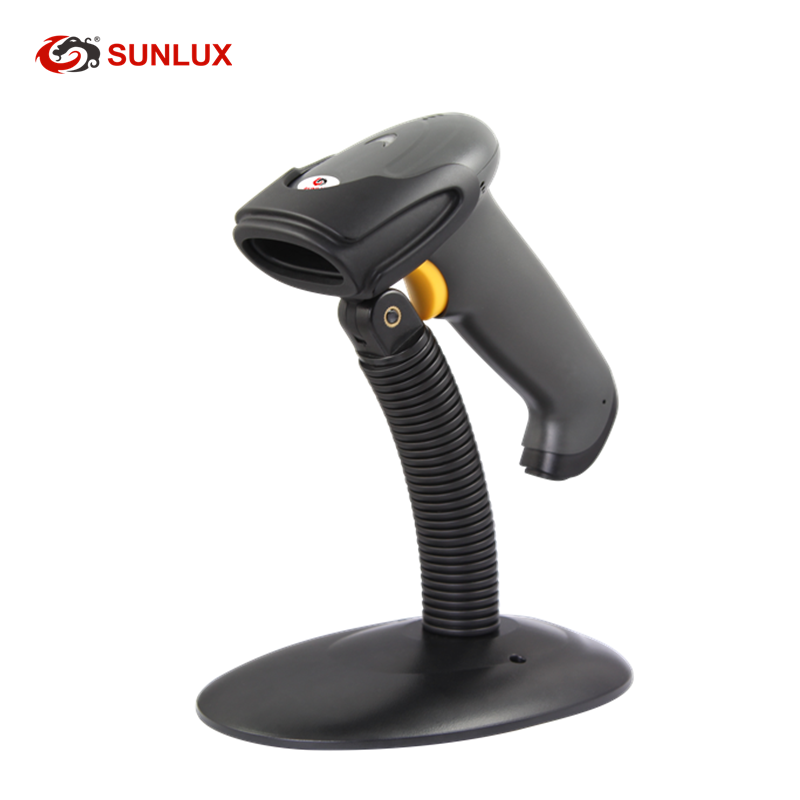
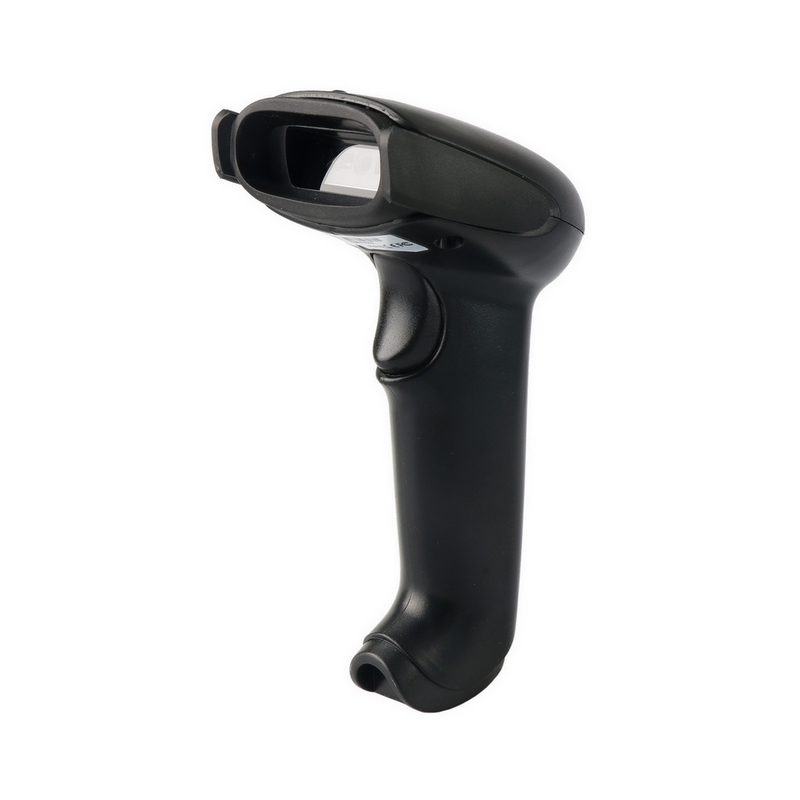
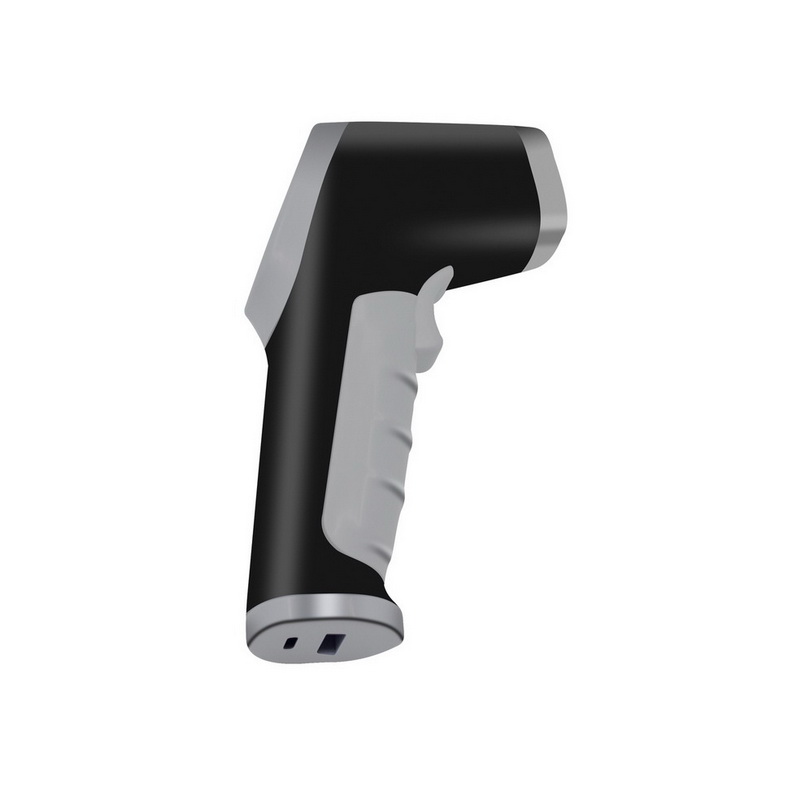
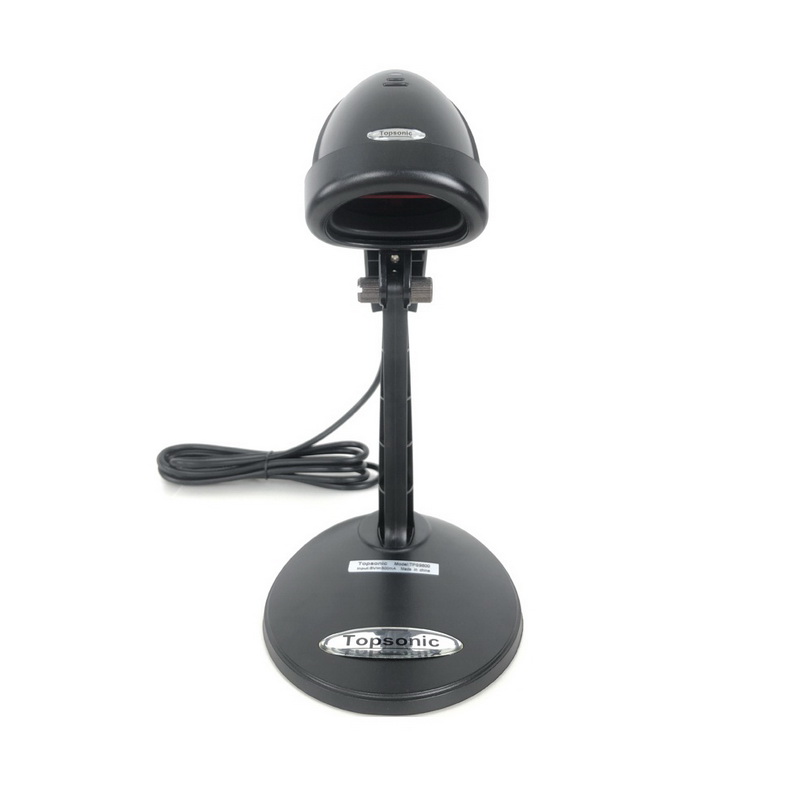
Barcode Scanners
Source high-performance Barcode Scanners from vetted manufacturers and wholesale suppliers. Built for importers, distributors, and brands seeking reliable OEM and private-label production, our catalog connects you directly with top-tier factories to secure competitive pricing and consistent quality at volume.
Sourcing barcode scanners at scale requires navigating a complex supply chain where the external housing often masks vast differences in internal component quality. The core challenge for volume buyers is matching the decoding engine technology, optical resolution, and firmware flexibility to the end-user's operational environment, all while ensuring the factory can maintain strict assembly tolerances over thousands of units.
Scan Engine Technologies and Specifications
The heart of any barcode scanner is its scan engine. When negotiating with manufacturers, you must specify the exact engine architecture, as this dictates both performance and unit cost.
Many assembly factories in Shenzhen and Suzhou utilize third-party scan engines. Premium OEM builds often integrate engines from established brands (like Zebra or Honeywell), while more cost-effective models use domestic Chinese engines (such as those from Newland or specialized local foundries).
| Engine Type | Decoding Capability | Durability Profile | Typical Application |
|---|---|---|---|
| 1D Laser | Standard linear barcodes only | Contains moving mirrors; vulnerable to high drops | Basic retail, low-impact warehousing |
| 1D CCD (Linear Imager) | Linear barcodes, screens | Solid-state; highly durable | Mobile payment scanning, bright environments |
| 2D CMOS Imager | 1D, QR, DataMatrix, damaged codes | Solid-state; excellent drop tolerance | Logistics, healthcare, complex POS |
For 2D CMOS imagers, specify whether your application requires a rolling shutter (cost-effective, suitable for stationary scanning) or a global shutter (premium, captures fast-moving barcodes without distortion). Resolution should also be defined; entry-level scanners typically use 0.3 Megapixel (VGA) sensors, whereas industrial or high-density (HD) scanners require 1.0 Megapixel or higher to read micro-QR codes on electronic components.
Need help verifying a manufacturer's technical capabilities and component supply chain?
Talk to our teamManufacturing Quality and Defect Control
Barcode scanners are precision optical devices. A misaligned sensor or poorly molded scanner window will drastically reduce the depth of field and scanning speed. Quality control on the factory floor must focus heavily on component alignment and environmental sealing.
When implementing Quality Control & Inspection protocols, ensure your inspection plan covers the following critical areas:
Critical Factory-Level QC Checks
- Optical Alignment Verification: Ensuring the targeting LED or laser is perfectly calibrated with the sensor's field of view.
- Continuous Scan Testing: Automated aging tests where units scan continuously for 24 to 48 hours to identify thermal or electronic failures.
- Drop Testing: Verifying the housing integrity by dropping units from 1.5m to 2.0m onto concrete, targeting all corners and faces.
- Cable Flex Testing: For wired scanners, subjecting the strain relief boot to thousands of bend cycles to prevent premature wire breakage.
Customization and OEM/ODM Services
For brands looking to differentiate, off-the-shelf enclosures are rarely enough. Engaging in OEM/ODM Services allows you to dictate not just the physical branding, but the functional ergonomics and firmware behavior.
Firmware customization is a critical value-add. Ensure your supplier has in-house software engineers capable of modifying the decoding algorithms. Common firmware customizations include:
- Adding specific prefix/suffix characters for proprietary inventory systems.
- Enabling or disabling specific barcode symbologies to increase processing speed.
- Customizing the auditory feedback (beeper volume/frequency) and LED indicators.
- Configuring Virtual COM port emulation for legacy POS compatibility.
MOQs, Pricing Drivers, and Lead Times
Pricing in the barcode scanner category is highly elastic, driven primarily by the scan engine, wireless connectivity (Bluetooth 5.0 vs. 2.4GHz RF), and battery capacity in cordless models.
Before committing to large OEM orders, conducting thorough Factory Audits is essential. You need to verify that the supplier actually owns the mold designs and has the SMT (Surface-Mount Technology) and clean-room assembly lines necessary for optical equipment, rather than just acting as a trading company.
Ready to negotiate better terms and secure reliable bulk production?
Get a free consultationBuyer FAQ
Successfully sourcing barcode scanners means looking past the plastic enclosure to understand the optical engineering inside. By strictly defining your engine requirements, validating factory assembly tolerances, and securing rigorous QC protocols, you can import highly reliable data capture hardware that performs exactly as your end-users demand.
Get Sourcing Help for Barcode Scanners
Tell us your requirements and our experts will connect you with verified manufacturers.