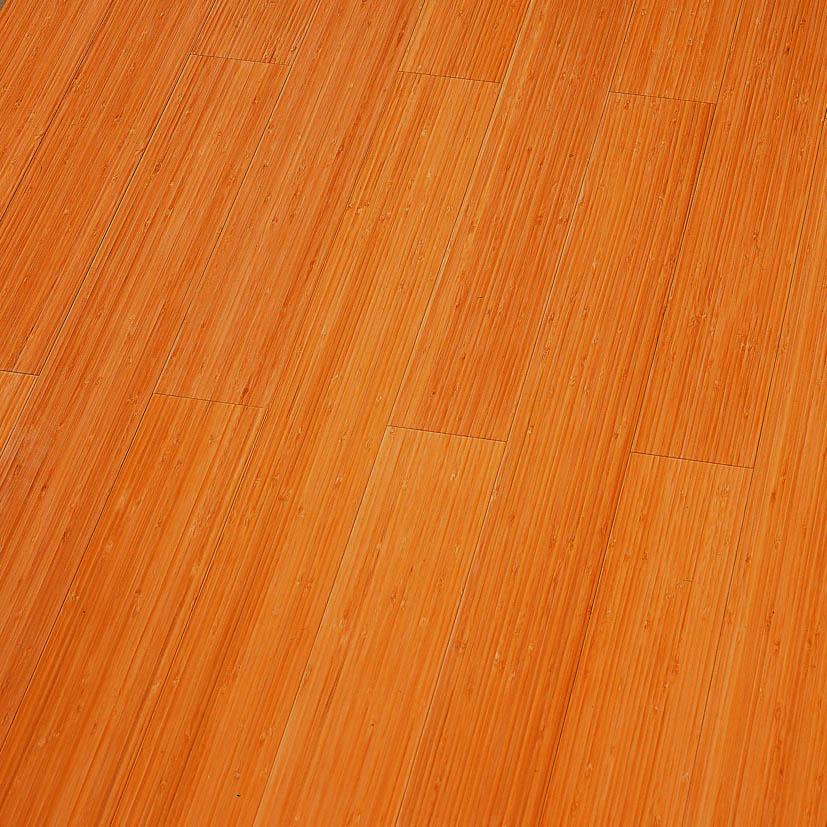
Bamboo Flooring
Source high-quality bamboo flooring in bulk directly from vetted manufacturers. Designed for importers, wholesalers, distributors, and brands seeking reliable OEM and private-label production. Secure competitive pricing, strict quality control, and verifiable compliance for your commercial or residential flooring projects.
Bamboo flooring offers a highly durable, sustainable alternative to traditional hardwoods, but sourcing it at scale requires strict control over raw material maturity and adhesive chemistry. The core challenge for volume buyers isn't just locating a factory—it is verifying that the supplier maintains precise moisture levels and utilizes compliant resins to prevent warping, delamination, and off-gassing once the product reaches your market.
Structural Types and Specifications
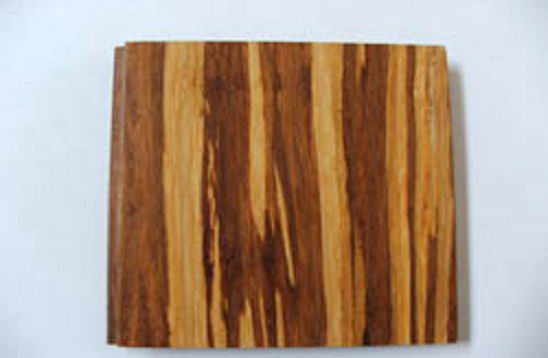
Bamboo flooring is generally categorized by how the bamboo strips are processed and pressed. Strand woven is the dominant choice for high-traffic and commercial applications due to its extreme density, while traditional horizontal and vertical formats remain popular for residential markets.
| Construction Type | Grain Appearance | Janka Hardness (Approx) | Primary Application |
|---|---|---|---|
| Horizontal | Wide, visible knuckles | 1,300 - 1,400 | Light residential |
| Vertical | Narrow, linear strips | 1,400 - 1,500 | Modern residential |
| Strand Woven | Interlocking, hardwood-like | 2,800 - 3,000+ | Heavy commercial & residential |
Beyond construction, buyers must specify the finish (typically aluminum oxide UV-cured polyurethane, requiring 6 to 9 coats for commercial durability) and the milling profile (tongue-and-groove or patented click-lock systems).
Manufacturing Critical Control Points
Quality in bamboo flooring is won or lost during the treatment and pressing phases. If the natural sugars are not properly boiled out, the flooring will attract pests. If pressing pressure is uneven, the boards will suffer from density variations and dimensional instability.
Harvesting & Slicing
Bamboo must be harvested at peak maturity (typically 5 to 7 years). Premature harvesting results in soft, unstable flooring.
Boiling & Carbonizing
Strips are boiled to remove sugars and starches. Carbonizing uses high-pressure steam to darken the bamboo, though this process slightly reduces the material's overall hardness.
Drying & Acclimation
Kiln drying brings the moisture content down to a stable baseline (usually 8 to 10 percent) before gluing.
Pressing & Milling
Strips or shredded fibers are mixed with resins and pressed under extreme heat and pressure. After pressing, the blocks must acclimate for weeks before milling to prevent warping.
Before committing to a large order, conducting comprehensive factory audits is essential to verify the supplier's pressing equipment, kiln calibration, and raw material sourcing practices.
Need to verify a flooring factory's production capabilities and quality management systems?
Talk to our teamMoisture, Emissions, and Compliance
Resin quality directly impacts both structural integrity and market legality. Buyers must specify formaldehyde emission limits explicitly in their purchase orders. Relying solely on factory-provided certificates is risky; implementing independent compliance and testing ensures your shipment meets CARB Phase 2, EPA TSCA Title VI, or European E1/E0 standards.
Essential Quality Control Checks
- Moisture Content (MC): Must be strictly controlled between 8 and 10 percent, depending on the destination climate.
- Milling Tolerances: Click-lock profiles must be checked for tight seams and zero height variation (overwood/underwood).
- Coating Adhesion: Cross-hatch testing on the aluminum oxide finish to ensure it does not flake or peel.
- Formaldehyde Emissions: Laboratory verification of adhesive off-gassing levels.
- Dimensional Stability: Checking for bowing, cupping, or twisting across the length of the planks.
Deploying on-site quality control and inspection before the goods are packed is the only reliable way to catch milling defects and moisture variances before they leave the factory.
MOQs, Lead Times, and Pricing Drivers
Bamboo flooring is a heavy, low-margin commodity that ships best in full containers to keep landed costs viable.
Pricing is heavily influenced by the raw bamboo harvest season, the grade of resin used (phenolic vs. standard urea-formaldehyde), and the specific milling profile. Licensed click systems (like Unilin or Välinge) carry royalty premiums that will be reflected in the per-square-meter cost. Because strand woven flooring is exceptionally dense, shipping and freight logistics must be carefully planned; a 20ft container will often hit its maximum weight limit well before it is full by volume.
Planning a multi-container flooring order? Let us help you negotiate pricing and manage the quality control process.
Get a free consultationSuccessfully importing bamboo flooring at scale requires balancing material density, adhesive safety, and precise milling tolerances. By controlling the specifications at the factory level, you protect your margins and your brand's reputation in the market. If you need experienced sourcing professionals to manage your flooring supply chain from factory floor to final delivery, our team is ready to assist.
Get Sourcing Help for Bamboo Flooring
Tell us your requirements and our experts will connect you with verified manufacturers.