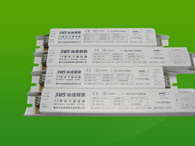
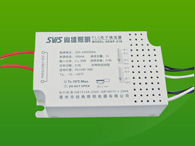
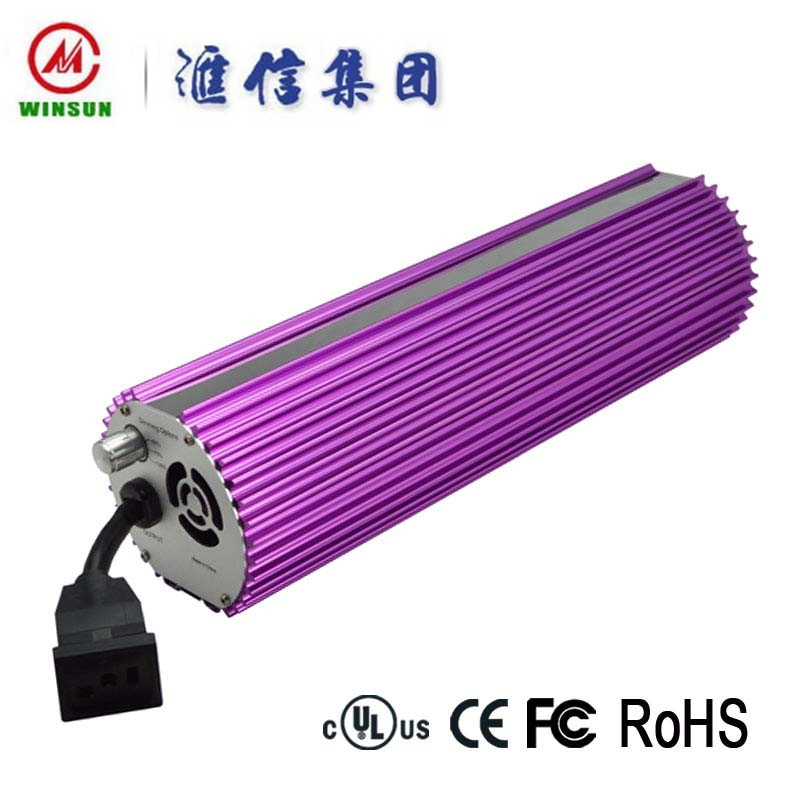
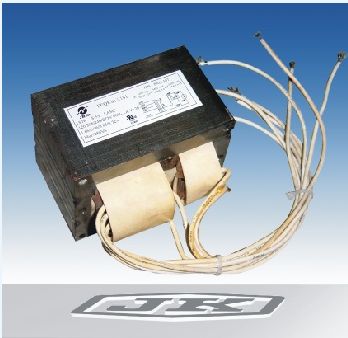
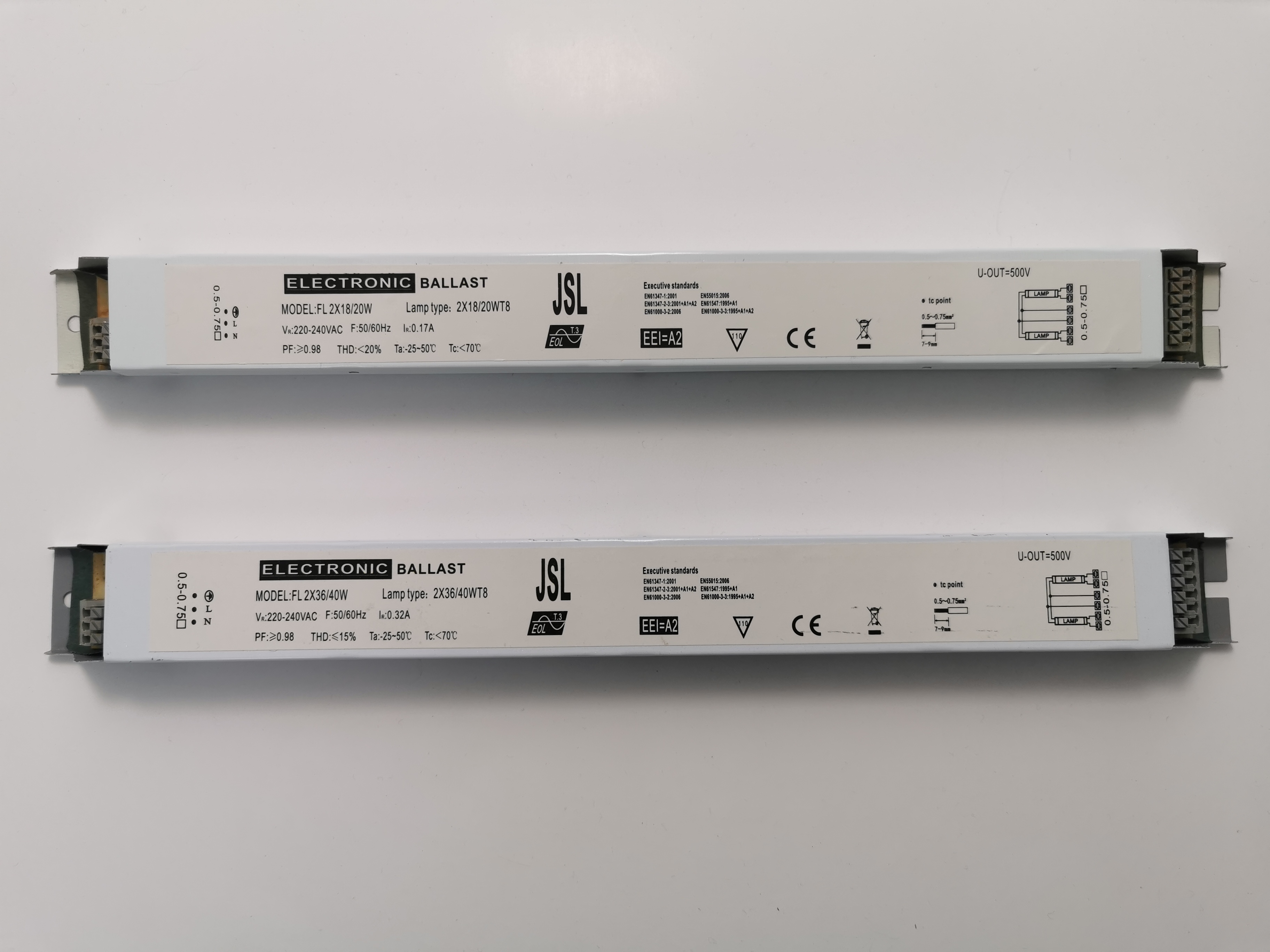
Ballasts
Source high-performance ballasts from vetted suppliers and manufacturers across Asia. Designed for commercial lighting distributors, electrical wholesalers, and fixture brands requiring reliable OEM and private-label production. Secure bulk pricing on certified units built to strict international safety and efficiency standards.
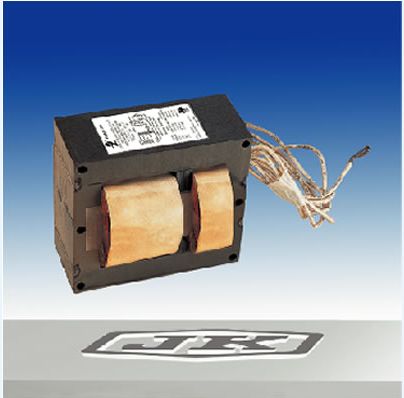
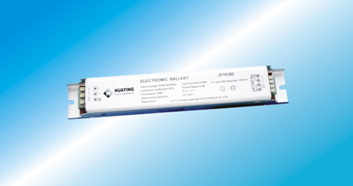
Sourcing lighting ballasts at scale requires balancing strict regulatory compliance, thermal reliability, and unit cost. Whether you are procuring electronic ballasts for commercial fluorescent applications, heavy-duty magnetic units for industrial HID fixtures, or specialized UV water-purification ballasts, the core challenge remains consistent: ensuring component stability across tens of thousands of operating hours.
When importing in bulk, a minor defect in a capacitor or an inconsistent potting process can lead to massive failure rates in the field, triggering costly warranty claims and compliance penalties.
Critical Specifications for Bulk Procurement
Professional buyers know that the datasheet only tells part of the story. When specifying ballasts for OEM production or wholesale distribution, the exact parameters must be locked in before negotiating with a factory.
Beyond these baselines, buyers must specify the input voltage range. While universal voltage (120V-277V) is standard for most commercial applications in North America, industrial environments often require 347V or 480V step-down capabilities.
Struggling to find a manufacturer that consistently meets strict THD and Power Factor requirements? Let us connect you with vetted, export-ready suppliers.
Talk to our teamManufacturing Quality & Defect Prevention
The difference between a premium ballast and a high-failure unit usually lies in the internal components and the thermal management process. In electronic ballasts, electrolytic capacitors are the most common point of failure. Top-tier manufacturers will use branded Japanese capacitors (like Rubycon or Nippon Chemi-Con) rated for 105 degrees Celsius, while lower-tier factories may substitute cheaper, 85-degree-rated alternatives to cut costs.
Another critical manufacturing step is potting—the process of filling the ballast enclosure with a thermal compound (usually epoxy or polyurethane). This protects the PCB from moisture and vibration while dissipating heat. Inconsistent potting leaves air pockets, causing localized overheating and premature failure.
When evaluating a new factory, rigorous Factory Audits are essential to verify their production capabilities.
Factory Floor Verification Points
- Surface Mount Technology (SMT) line automation and precision.
- Automated optical inspection (AOI) for solder joint integrity.
- Vacuum potting processes to eliminate thermal air pockets.
- Dedicated burn-in chambers capable of running 100% of units at elevated temperatures.
- In-house testing equipment for Hi-Pot, EMI/EMC, and transient surge protection.
Compliance and Pre-Shipment Testing
Lighting components are heavily regulated. Depending on your target market, your ballasts will need specific certifications: UL/cUL for North America (often requiring Class P thermal protection), CE and ENEC for Europe, and FCC Part 18 or CISPR 15 for electromagnetic interference.
Never take a supplier's certification claims at face value. Counterfeit or expired UL file numbers are a persistent issue in the component market. Engaging professional Compliance & Testing services ensures that the actual production run matches the golden sample submitted to the testing laboratory. Furthermore, implementing strict Quality Control & Inspection protocols—including AQL sampling, Hi-Pot testing, and functional burn-in tests—before the container is loaded is the only way to protect your supply chain.
Buying Mechanics: MOQs, Lead Times, and Pricing
Ballast pricing is highly sensitive to raw material costs, specifically copper (for magnetic coils and transformers), aluminum (for extruded casings), and silicon components.
| Order Type | Typical MOQ | Estimated Lead Time | Cost Driver |
|---|---|---|---|
| Standard Off-the-Shelf | 500 - 1,000 units | 20 - 30 days | Current copper/aluminum indices |
| Private Label (White Label) | 1,000 - 3,000 units | 30 - 40 days | Custom casing and packaging |
| Custom OEM/ODM | 3,000+ units | 45 - 60+ days | PCB design and tooling costs |
For brands requiring custom form factors or proprietary dimming protocols (like DALI-2 or 0-10V), engaging OEM/ODM Services allows you to develop a ballast tailored perfectly to your fixture design, though this requires upfront investment in tooling and longer initial lead times for prototyping and certification.
Ready to optimize your ballast procurement? We handle factory negotiations, quality control, and logistics to secure your supply chain.
Get a free consultationSuccessful ballast sourcing requires looking past the outer casing and interrogating the bill of materials. By ensuring your manufacturer uses high-temperature rated components, robust thermal potting, and strict burn-in testing, you can eliminate the hidden costs of field failures. If you need boots on the ground to verify factory capabilities and oversee production quality, experienced sourcing partners can bridge the gap between your engineering requirements and the factory floor.
Get Sourcing Help for Ballasts
Tell us your requirements and our experts will connect you with verified manufacturers.