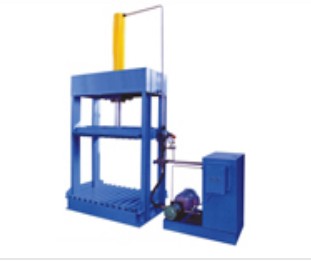
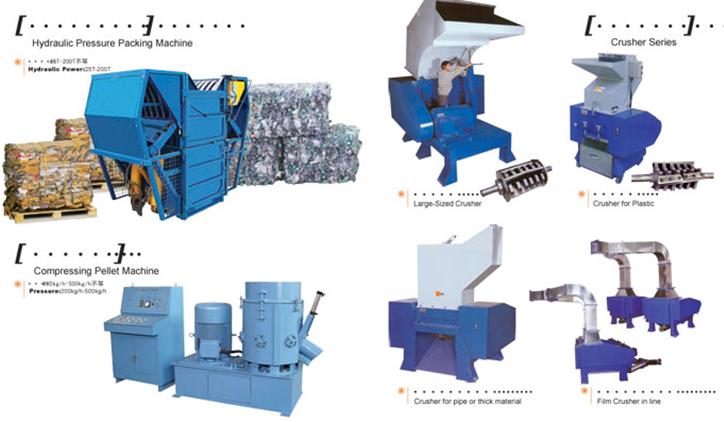
Baling Machines
Source industrial baling machines directly from vetted manufacturers and suppliers. Designed for importers, wholesale distributors, and procurement managers, our network provides reliable hydraulic baling equipment for recycling, packaging, and waste management. Secure competitive pricing and OEM production capabilities.
Sourcing industrial baling machines requires evaluating high-stress, high-capex assets where structural integrity and hydraulic reliability are paramount. Whether you are importing vertical balers for retail distribution or commissioning heavy-duty horizontal auto-tie balers for municipal recycling facilities, looking past the top-line specifications is essential. The true cost of ownership is determined on the factory floor—specifically in the quality of the steel fabrication, the origin of the hydraulic components, and the electrical safety compliance.
Defining Critical Specifications
When negotiating with manufacturers, precise technical specifications prevent costly misunderstandings. Baling machines operate under immense pressure; overstating capacity or under-specifying components leads to premature failure.
Ensure your request for quotation (RFQ) explicitly defines:
- Pressing Force: Measured in tons (e.g., 30T to 200T+). This dictates the density of the final bale.
- Bale Dimensions & Weight: Specify the exact millimeter dimensions and target weight based on the material being processed (cardboard, plastics, metals, or textiles).
- Cycle Time: The time required for the ram to complete one full extension and retraction. Faster cycle times require larger hydraulic pumps and higher-capacity cooling systems.
- Operating Method: Manual, semi-automatic, or fully automatic (auto-tie).
| System Component | Standard Domestic Spec | Export / Premium Spec |
|---|---|---|
| Hydraulic Valves | Local generic brands | Rexroth, Parker, or Vickers |
| PLC Controls | Local generic | Siemens, Mitsubishi, or Omron |
| Steel Frame | Q235 Carbon Steel | Q345 or Hardox (high-wear areas) |
| Oil Cooling | Air cooled (basic) | Water cooled or oversized air radiators |
Manufacturing Quality and Structural Integrity
The lifespan of a baler is largely determined by its frame construction and hydraulic cylinder quality. High-pressure operations will quickly expose poor weld penetration or substandard machining tolerances.
Thorough factory audits are critical before placing an order. You must verify that the supplier has the heavy machining capabilities required to bore and hone large hydraulic cylinders in-house, or that they source them from reputable specialized vendors.
Ensure your machinery suppliers meet strict manufacturing and welding standards.
Talk to our teamThe Factory Acceptance Test (FAT)
Never ship heavy machinery without a rigorous FAT. Because balers are often shipped partially disassembled, identifying defects after arrival is extremely costly. Comprehensive quality control and inspection should include running the machine under load.
Key FAT Inspection Points
- Hydraulic Pressure Test: Run the machine at maximum rated pressure for a sustained period to check for seal leaks or pressure drops.
- Weld Inspection: Check high-stress junctions (ram guides, cylinder mounts) for continuous, defect-free welds.
- Electrical Safety: Verify emergency stops, safety interlocks, and CE/UL compliance of the control panel.
- Dimensional Verification: Measure the finished bale size to ensure it matches the specified chamber dimensions.
- Temperature Monitoring: Monitor hydraulic oil temperature during continuous cycling to ensure the cooling system is adequate.
Procurement Realities: Pricing, MOQs, and Lead Times
Because baling machines are capital equipment, Minimum Order Quantities (MOQs) are highly flexible, but lead times and logistics require careful planning.
Pricing is heavily dependent on the pressing force and the origin of the core components. Upgrading a standard machine to use Japanese or European PLCs, motors, and hydraulic valves will increase the upfront cost but drastically reduce maintenance downtime.
Additionally, logistics for horizontal balers often require specialized handling. Because these machines can exceed standard container dimensions or weight limits, coordinating shipping and freight early in the procurement process is necessary to secure flat-rack containers or break-bulk shipping arrangements without delaying delivery.
Optimize your heavy machinery procurement, from factory floor to final installation.
Get a free consultationBuyer FAQ
Sourcing baling machines is an exercise in risk management. By clearly defining component origins, enforcing strict factory-level testing, and managing the complex logistics of heavy freight, you can secure robust equipment that delivers a strong return on investment.
Get Sourcing Help for Baling Machines
Tell us your requirements and our experts will connect you with verified manufacturers.