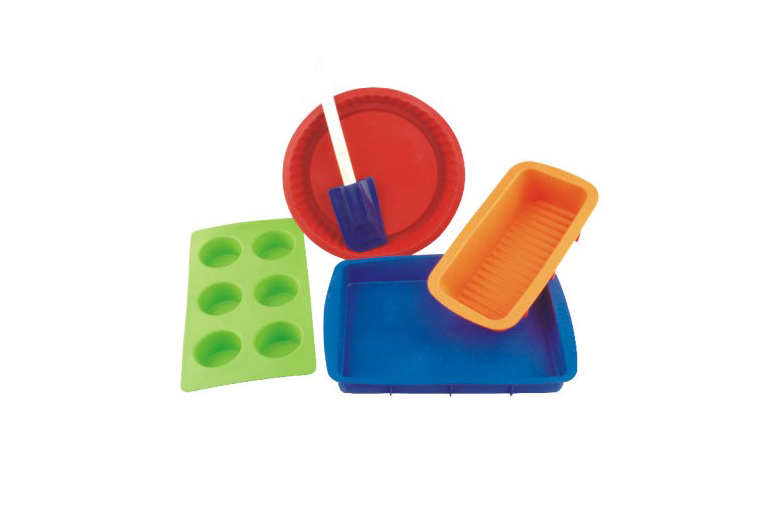
Baking & Pastry Tools
Source high-quality baking and pastry tools directly from vetted manufacturers and suppliers. Designed for importers, wholesalers, distributors, and brands seeking reliable bulk purchasing or custom OEM/private-label production. Ensure food-grade compliance and consistent quality across your entire supply chain.
Sourcing baking and pastry tools at scale requires strict attention to material integrity, thermal resistance, and food safety compliance. Because these products face repeated exposure to high heat, fats, and acidic ingredients, the margin for error in manufacturing is virtually zero. A successful procurement strategy hinges on specifying the right raw materials and enforcing rigorous quality control on the factory floor.
Material Specifications and Compliance Standards
The core value of any baking tool lies in its material composition. Buyers must clearly specify the exact grades of silicone, metal, or plastic to avoid unapproved substitutions that can cause failures during compliance testing.
- Silicone: For spatulas, baking mats, and molds, silicone must be food-grade. The critical distinction is the curing process. Platinum-cured silicone offers superior heat resistance (often up to 230°C or 250°C), higher durability, and no chemical odor. Peroxide-cured silicone is cheaper but can leach byproducts and often fails stringent European testing.
- Stainless Steel: Whisks, dough blenders, and pastry cutters should utilize 304-grade (18/8) stainless steel for parts in direct contact with food, offering high corrosion resistance. Handles or structural components can use 430-grade to reduce costs, provided they are properly finished.
- Plastics: Scrapers, measuring spoons, and handles typically use Polypropylene (PP) or ABS. These must be certified BPA-free and capable of withstanding commercial dishwasher temperatures without warping.
| Standard | FDA (US Market) | LFGB (EU Market) |
|---|---|---|
| Testing Rigor | Moderate | Highly stringent |
| Silicone Requirement | Peroxide or Platinum | Platinum-cured strongly recommended |
| Cost Impact | Baseline cost | 15% to 30% higher raw material cost |
Manufacturing Defect Zones and Quality Control
Quality is won or lost in the tooling and finishing phases. For injection-molded silicone and plastics, poor mold design or improper temperature control during vulcanization leads to structural weaknesses. For metals, the failure points are usually at the joints.
To prevent unsellable inventory, robust Quality Control & Inspection protocols must be implemented before the goods leave the factory.
Critical Inspection Points for Pastry Tools
- Pinch Test (Silicone): Bend the silicone sharply; if it turns white, fillers were used.
- Flash Removal: Check the seams of spatulas and molds for excess material (flash) that hasn't been trimmed.
- Weld Integrity: Apply lateral force to whisk wires and dough blender blades to test spot-weld strength.
- Surface Finish: Ensure metal tools are electro-polished to remove micro-crevices that harbor bacteria.
- Odor Test: Bake silicone samples at maximum rated temperature to check for off-gassing.
Need reliable eyes on the factory floor? Let us manage your inspections and supplier vetting.
Talk to our teamCustom Tooling and OEM/ODM Production
Many brands differentiate themselves through custom shapes, ergonomic handles, or proprietary silicone molds. Developing these requires working with factories capable of precision tooling. When engaging in OEM/ODM Services, the clarity of your CAD files and the initial tooling agreement dictate the project's success.
Design & Prototyping
Finalize 3D CAD models and produce a 3D-printed or CNC-machined prototype to test ergonomics.
Tooling Creation
The factory cuts the steel injection or stamping molds. This takes 20 to 35 days depending on complexity.
T1 Sampling
The first production run from the new mold. Expect minor adjustments for flash or material flow.
Mass Production
Once the T1 sample is approved, bulk manufacturing commences.
Typical MOQs, Pricing Drivers, and Lead Times
Pricing in this category is highly transparent and correlates directly with raw material weight. A silicone baking mat that weighs 120 grams will cost proportionally more than an 80-gram mat, assuming the same silicone grade. Be wary of quotes that fall significantly below the market average; this usually indicates material thinning or the use of non-compliant fillers.
Before wiring deposits for large orders or custom tooling, conducting comprehensive Factory Audits is essential to verify the supplier's actual production capacity, working conditions, and quality management systems (such as ISO 9001).
Optimize your procurement strategy. Speak with our sourcing experts about your next production run.
Get a free consultationFrequently Asked Questions
Sourcing baking and pastry tools at a high volume requires balancing unit costs with uncompromising food safety standards. By dictating exact material specifications and enforcing strict quality control, you can build a resilient supply chain that delivers reliable, compliant products to your market.
Get Sourcing Help for Baking & Pastry Tools
Tell us your requirements and our experts will connect you with verified manufacturers.