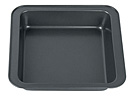
Baking Dishes & Pans
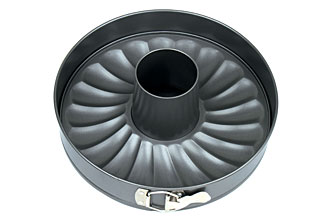
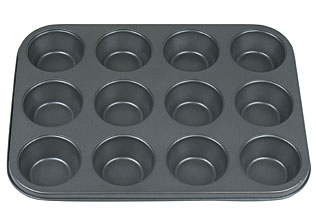
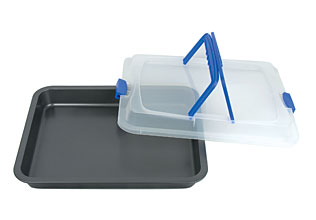
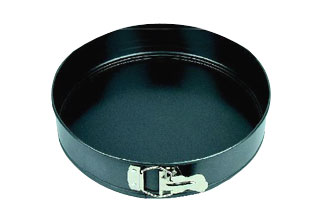
Source high-quality baking dishes and pans directly from vetted manufacturers and wholesale suppliers across Asia. Designed for importers, distributors, and kitchenware brands, our network supports bulk procurement, OEM/private-label production, and rigorous quality control for both commercial and consumer markets.
Sourcing baking dishes and pans at scale requires a precise balance of heat conductivity, structural durability, and strict adherence to food-contact safety standards. Whether you are developing a private-label line of heavy-gauge aluminized steel roasting pans or importing high-volume ceramic baking dishes, success depends on aligning your material specifications with capable factory production lines.
Material Specifications and Heat Performance
The foundation of any baking dish or pan is its core material. Manufacturers will often quote based on standard consumer grades unless you explicitly define the gauge and material composition required for your target market. Thinner gauges reduce unit costs but severely compromise heat distribution and structural integrity under high oven temperatures.
| Material Core | Typical Gauge / Thickness | Key Manufacturing Characteristics |
|---|---|---|
| Aluminized Steel | 0.6mm to 1.0mm | Industry standard for commercial bakeware; resists rust and distributes heat evenly. |
| Carbon Steel | 0.4mm to 0.8mm | Cost-effective, rapid heating; requires robust coating to prevent oxidation. |
| Borosilicate Glass | 4.0mm to 6.0mm | High thermal shock resistance; requires specialized glass-pressing facilities. |
| Ceramic / Stoneware | 5.0mm to 8.0mm | Excellent heat retention; glaze must be meticulously tested for lead and cadmium. |
When sourcing metal pans, specify the edge treatment. Rolled edges reinforced with a galvanized steel wire prevent the pan from warping during rapid temperature changes.
Coatings and Food-Contact Compliance
For non-stick metal pans, the coating application is where many low-cost suppliers cut corners. The two primary options are PTFE (traditional non-stick) and Sol-Gel Ceramic coatings. Both require precise curing temperatures and multiple layers (typically a primer and a topcoat) to ensure longevity.
Your primary sourcing hurdle in this category is regulatory compliance. Baking dishes must pass rigorous extraction tests to ensure no harmful chemicals leach into food at high temperatures.
FDA vs. LFGB Compliance
Do not assume a factory's standard coating meets your regional requirements. European LFGB standards are significantly stricter than US FDA standards, particularly regarding heavy metals and volatile organic compounds in silicone and non-stick coatings. Always specify the target market before requesting a quote.
Navigating these chemical testing requirements and ensuring the factory uses certified raw materials is critical. You can learn more about managing these regulatory hurdles through our Compliance & Testing services.
Struggling to verify food-contact compliance for your bakeware line? Let our sourcing experts audit your factory's material certifications.
Talk to our teamQuality Control on the Factory Floor
Bakeware defects often reveal themselves only after the product is in the consumer's oven. Effective quality control must happen during production, focusing on structural integrity and coating adhesion. When we conduct Quality Control & Inspection for bakeware, we look for specific failure points.
Critical QC Checks for Baking Pans
- Cross-hatch adhesion testing (tape test) to ensure non-stick coatings do not flake.
- Thermal shock testing for glass and ceramic dishes to verify they will not shatter.
- Flatness tolerance checks to ensure metal pans sit flush on oven racks and do not warp.
- Inspection of rolled edges for exposed raw steel, which will rust after the first wash.
- Verification of material thickness using digital calipers prior to the coating process.
Verify Supplier Capability
Ensure your chosen manufacturer has the automated stamping and clean-room coating facilities required for high-quality bakeware.
Production Realities: MOQs, Pricing, and Lead Times
Because metal baking pans are stamped using heavy hydraulic presses, factories rely on economies of scale to absorb setup times. If you are purchasing off-the-shelf designs (white-label), MOQs are manageable. However, custom shapes or embossed logos require new tooling.
Pricing is highly volatile and directly tied to global steel and aluminum commodity indices. When negotiating, ensure the quote specifies the exact coating brand (e.g., Whitford, ILAG) and the metal thickness. A quote that is 15 percent cheaper often means the factory has reduced the steel gauge from 0.8mm to 0.6mm, which will result in a product that warps under broiler temperatures.
If you are looking to develop custom molds or proprietary pan designs, our OEM/ODM Services can help you manage the engineering and tooling phases safely.
Ready to scale your bakeware production? We help brands negotiate better terms and manage complex OEM tooling projects.
Get a free consultationFrequently Asked Questions
Sourcing baking dishes and pans requires looking past the surface finish to understand the engineering beneath. By strictly defining your material gauges, mandating specific coating brands, and enforcing rigorous pre-shipment inspections, you can build a resilient supply chain that delivers reliable, compliant kitchenware.
Get Sourcing Help for Baking Dishes & Pans
Tell us your requirements and our experts will connect you with verified manufacturers.