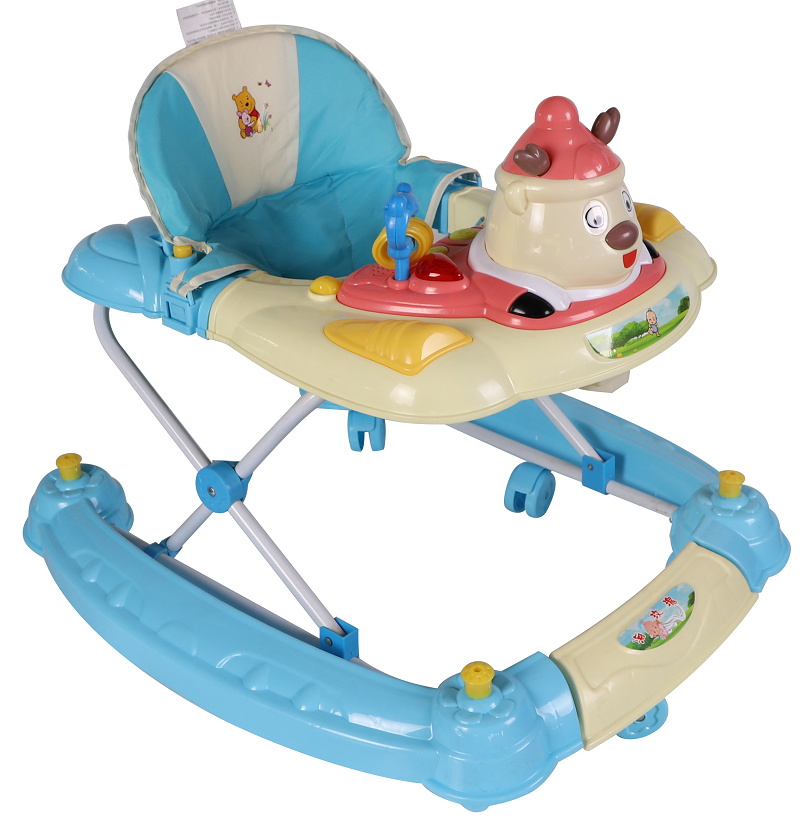
Baby Walkers
Source high-quality baby walkers from vetted suppliers and manufacturers across Asia. Designed for importers, wholesalers, distributors, and brands seeking reliable OEM and private-label production, our network delivers compliant, structurally sound products at competitive wholesale volume pricing.
Sourcing baby walkers at volume requires balancing strict safety regulations with manufacturing efficiency. Because these are load-bearing, dynamic products used by infants, the margin for error in structural integrity, material toxicity, and mechanical design is zero. Buyers must navigate varying international safety standards, complex injection molding requirements, and the integration of electronic or mechanical activity trays.
Manufacturing & Component Specifications
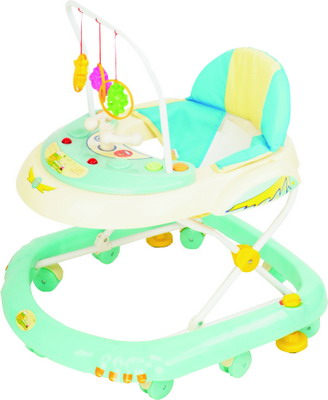
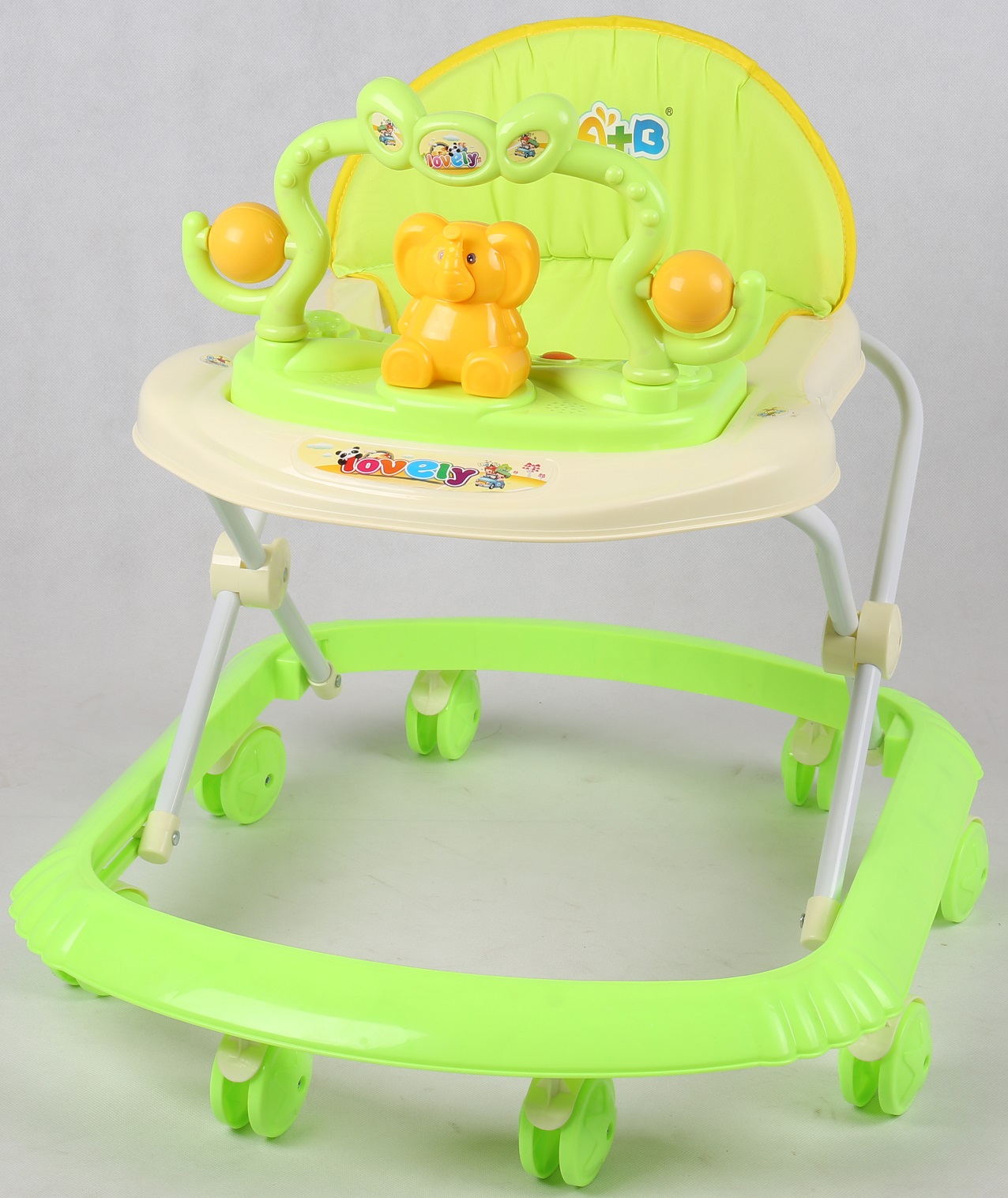
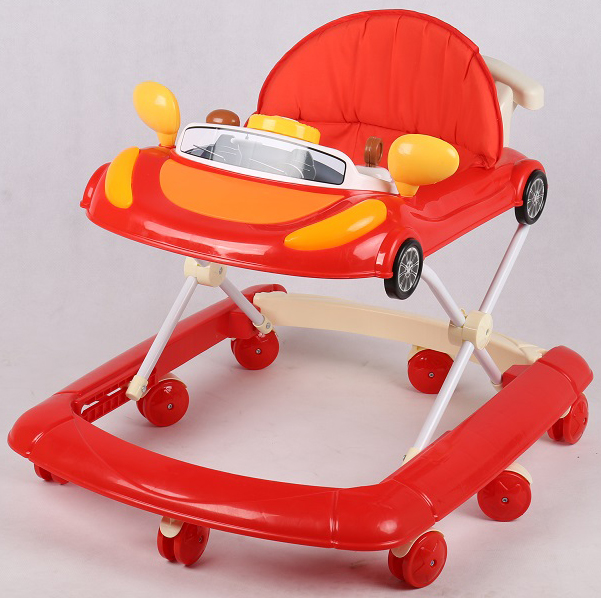
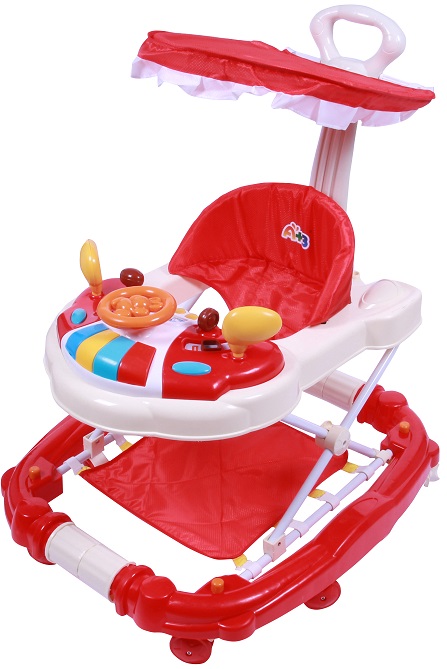
The core of a baby walker is its base and frame, which dictate the product's stability and compliance with anti-tip regulations. Most modern units utilize a wide-stance injection-molded PP (polypropylene) base combined with a tubular steel folding frame.
When specifying your product with a factory, component selection directly impacts both safety testing pass rates and unit costs.
| Component | Standard Configuration | Premium / OEM Configuration |
|---|---|---|
| Base Material | Standard injection-molded PP | High-impact ABS or reinforced PP |
| Wheels | Hard PP plastic (multi-directional) | TPR or silicone-coated (quiet, better grip) |
| Height Adjustment | Basic 3-position pin lock | Continuous adjustment or dual-lock mechanisms |
| Seat Pad | Basic polyester, sponge fill | Breathable 3D mesh, machine washable, padded backrest |
Regulatory Compliance & Safety Testing
Baby walkers are heavily regulated. You cannot import or distribute them in major markets without verified test reports from accredited third-party laboratories. Depending on your target market, your factory must be capable of producing to specific structural and chemical standards.
Mandatory Compliance Frameworks
- ASTM F977 (USA): Covers performance requirements including dynamic and static load testing, stability, and stair-fall hazard prevention.
- EN 1273 (Europe): Specifies safety requirements and test methods for baby walking frames, focusing heavily on tipping and structural integrity.
- CPSC / CPSIA (USA): Mandates strict limits on lead, phthalates, and requires specific warning labels and tracking labels.
- RoHS / EN71: Required if the walker includes electronic activity trays (music, lights) to govern heavy metals and battery compartment safety.
The Stair-Fall Hazard
The most critical failure point in baby walker manufacturing is the stair-fall test. Walkers must feature friction pads or braking mechanisms on the base that instantly stop the unit if a wheel drops over an edge. Ensure your supplier has internal testing rigs to verify this before mass production.
Navigating these regulations can be a barrier to entry. We strongly recommend integrating rigorous Compliance & Testing protocols early in the sourcing phase to ensure the factory's base molds actually meet your market's legal requirements.
Struggling to find factories with valid ASTM or EN test reports? Let our sourcing experts identify compliant manufacturers for your specific market.
Talk to our teamProduction Economics: MOQ, Pricing, and Lead Times
Pricing for baby walkers is highly dependent on mold complexity, the sophistication of the activity tray, and the quality of the friction pads and wheels.
Customization and OEM Production
If you are developing a unique product, you will likely engage in OEM/ODM Services. Modifying an existing factory mold (ODM) is cost-effective, typically involving custom seat textiles, bespoke colors, and customized electronic activity trays.
Creating a fully custom frame (OEM) requires significant capital expenditure for new steel bending jigs and plastic injection molds. In these scenarios, verifying the factory's engineering capabilities and mold-maintenance protocols is critical.
Quality Control on the Factory Floor
Defects in baby walkers are often structural. Common issues include weak locking mechanisms that collapse under weight, misaligned wheels causing tracking issues, and sharp plastic flashing on the activity tray. Implementing robust Quality Control & Inspection during the assembly phase—specifically checking the torque on wheel axles and the tension of the height-adjustment springs—prevents costly recalls.
Need reliable factory oversight? We deploy on-site inspectors to verify structural integrity and compliance before your shipment leaves Asia.
Get a free consultationFrequently Asked Questions
Sourcing baby walkers requires a highly technical approach to safety, structural engineering, and regulatory compliance. Relying on supplier promises without verifying their testing capabilities and production quality can expose your business to severe liability. By partnering with a professional sourcing team, you can secure reliable manufacturing, ensure market compliance, and protect your brand's reputation.
Get Sourcing Help for Baby Walkers
Tell us your requirements and our experts will connect you with verified manufacturers.