Baby Monitors
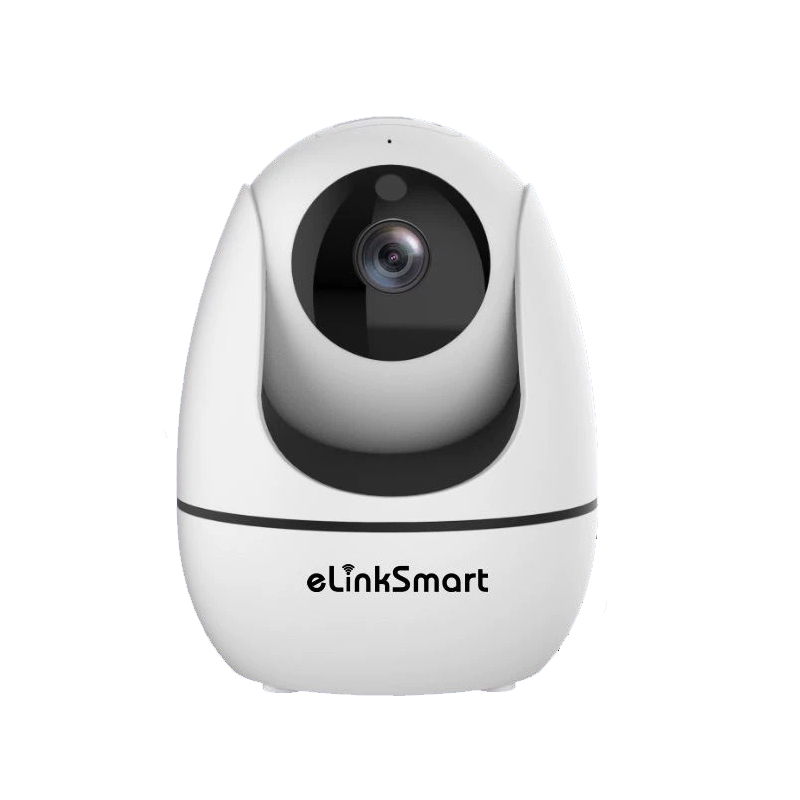
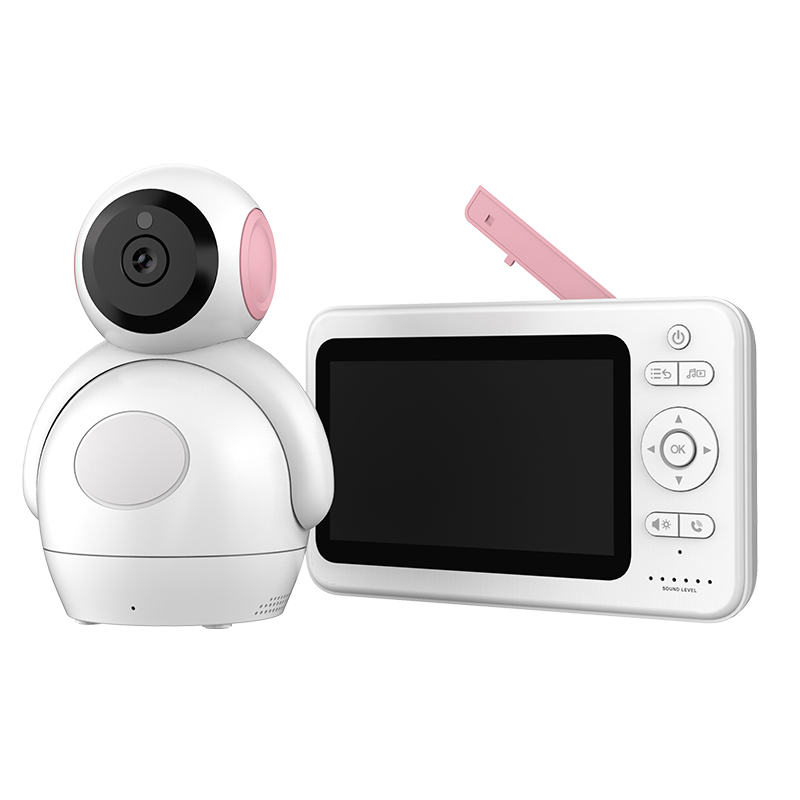
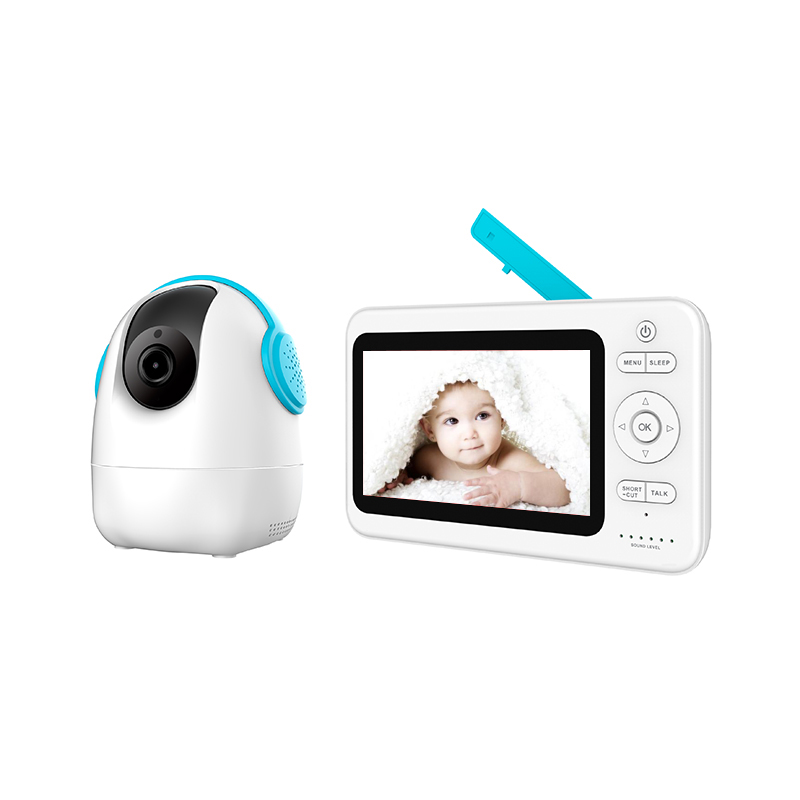
Source high-quality baby monitors directly from vetted manufacturers and wholesale suppliers. Designed for importers, distributors, and consumer electronics brands seeking reliable OEM, ODM, or private-label production. Ensure strict compliance and competitive pricing for bulk procurement.
Sourcing baby monitors at scale requires balancing consumer demands for high-resolution video and smart features with absolute hardware reliability and data security. Because these devices are used in nurseries and handle sensitive audio-video feeds, the margin for error in manufacturing, firmware stability, and RF compliance is virtually zero. Success in this category depends on partnering with factories that possess mature R&D capabilities and rigorous assembly standards.
Core Specifications and Component Selection
When defining your product requirements with a manufacturer, the bill of materials (BOM) drives both the unit cost and the user experience. Buyers must specify exact parameters rather than relying on a factory's default off-the-shelf components.
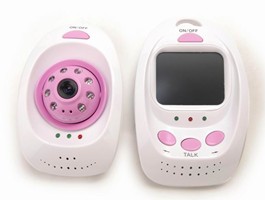
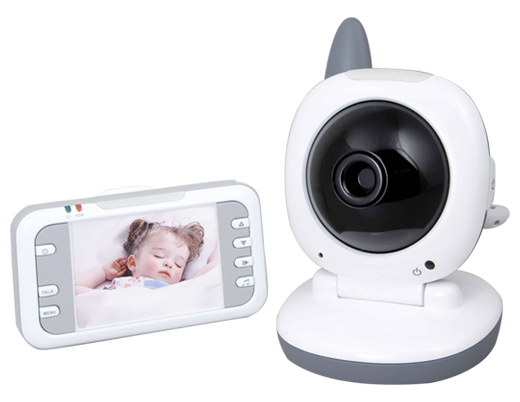
| Architecture | FHSS (Dedicated Monitor) | Wi-Fi (App-Based Smart Monitor) |
|---|---|---|
| Transmission | 2.4GHz Frequency-Hopping Spread Spectrum | 2.4GHz / 5GHz Wi-Fi via Cloud Server |
| Security | Hardware-paired, closed loop | AES-128/256 encryption required |
| Latency | Near-zero | Variable (network dependent) |
| Primary BOM Cost | Requires LCD parent unit | Requires robust IoT chipset (e.g., Tuya, AWS IoT) |
Critical Hardware Elements
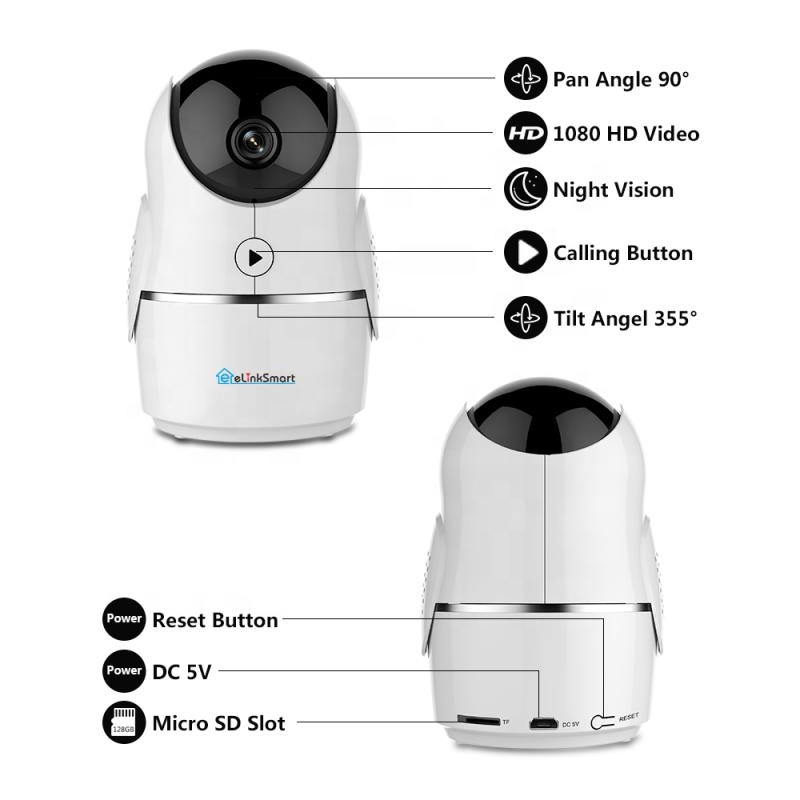
- Image Sensors: Standard monitors use 720p or 1080p CMOS sensors. Specify the exact sensor brand and model to avoid low-light noise.
- Night Vision (IR LEDs): Specify 940nm (invisible) infrared LEDs. The cheaper 850nm LEDs emit a visible red glow that can disturb infant sleep.
- Audio Processing: Look for two-way audio with active noise cancellation (ANC) and hardware-level VOX (voice-operated exchange) to wake the monitor only when the baby cries.
- Power Management: Parent units require high-capacity lithium-polymer batteries (typically 3000mAh to 5000mAh). Ensure the factory uses UL-certified cells to prevent thermal runaway.
Need help auditing a factory's BOM or verifying component authenticity? Our sourcing engineers can validate your specifications before production begins.
Discuss your product specsManufacturing Tolerances and Quality Control
Baby monitors are complex assemblies of optics, wireless transmitters, and batteries. Poor quality control on the factory floor leads to dropped signals, out-of-focus lenses, and battery swelling.
Implementing robust quality control protocols is non-negotiable. Pay particular attention to the SMT (Surface-Mount Technology) lines where the mainboards are populated, and the cleanrooms where camera lenses are attached and focused.
Key Factory-Floor Inspections for Baby Monitors
- Lens Focus Calibration: Verification of focal length (typically optimized for 1.5 to 3 meters).
- RF Signal Testing: Shielded room testing to ensure transmission range meets the stated specifications (e.g., 300 meters line-of-sight).
- Audio Acoustic Testing: Anechoic chamber testing for microphone sensitivity and speaker distortion.
- Battery Aging and Burn-in: 100% burn-in testing (minimum 4 to 8 hours) to catch early component failure.
- Firmware Flashing: Verification that the correct, secure firmware version is loaded onto the EEPROM.
Firmware Vulnerabilities
For Wi-Fi models, insecure firmware is the leading cause of product recalls and brand damage. Ensure your manufacturer provides regular OTA (Over-The-Air) update capabilities and undergoes third-party penetration testing.
Compliance and Regulatory Standards
Importing baby monitors requires navigating a web of wireless and safety regulations. Customs authorities will seize shipments lacking proper documentation. Engage in comprehensive compliance testing early in the product development lifecycle.
- North America: FCC Part 15 (for RF emissions), UL 1642 (for lithium batteries), and ASTM F2951 (consumer safety specification for baby monitors).
- Europe: CE RED (Radio Equipment Directive), RoHS (restriction of hazardous substances), and EN 62368-1 (audio/video safety).
- Data Privacy: Wi-Fi models must comply with GDPR (Europe) and CCPA/COPPA (US) regarding data storage and user privacy.
Pricing Drivers, MOQs, and Lead Times
Unit costs are highly sensitive to the chosen chipset, battery capacity, and display quality (for FHSS models). Custom tooling for unique enclosures will significantly impact your initial investment.
If you are developing a completely new design, utilizing professional OEM/ODM services is highly recommended to manage the industrial design (ID), mechanical engineering (ME), and tooling phases effectively.
Looking to scale your baby monitor import business? We manage supplier negotiations, production oversight, and global logistics for volume buyers.
Talk to our teamFrequently Asked Questions
Sourcing reliable baby monitors requires a deep understanding of both hardware manufacturing and software security. By partnering with vetted manufacturers and implementing strict quality and compliance checks, you can deliver a product that parents trust, protecting both the end-user and your brand's reputation.
Get Sourcing Help for Baby Monitors
Tell us your requirements and our experts will connect you with verified manufacturers.