Baby Car Seats & Accessories
Source premium Baby Car Seats & Accessories from vetted suppliers and manufacturers across Asia. Designed for importers, wholesalers, and baby brands seeking reliable OEM and private-label production, our network delivers certified safety at scale. Connect with top factories to secure competitive bulk pricing and compliant manufacturing.
Sourcing child restraint systems is one of the highest-stakes procurement categories in the juvenile products industry. The margin for error is zero: every unit must meet stringent dynamic crash testing standards, strict chemical toxicity limits, and complex regional regulations before it can legally enter your target market. Success in this category requires partnering with manufacturers who possess advanced injection molding capabilities, in-house testing facilities, and rigorous quality management systems.
Structural Engineering and Material Specifications
The core of any infant or toddler car seat is its structural shell and energy-absorbing layers. When evaluating a manufacturer's technical capabilities, you must specify the exact materials and production methods required for your target price point and safety rating.
Shell Manufacturing Methods
The plastic shell dictates the seat's response to impact forces. Manufacturers typically utilize one of two primary methods:
| Process | Structural Integrity | Tooling Cost | Best For |
|---|---|---|---|
| Injection Molding | High (solid, precise structure) | High (Often over $20,000) | Premium, high-impact & i-Size seats |
| Blow Molding | Moderate (hollow structure) | Lower ($5,000 - $10,000) | Budget models & basic booster seats |
Energy-Absorbing Foam
Inside the shell, the choice of foam is critical for kinetic energy dissipation. Expanded Polystyrene (EPS) is the industry standard—cost-effective and reliable for single-impact scenarios. However, premium brands increasingly specify Expanded Polypropylene (EPP). EPP does not crack easily under stress, recovers its shape, and handles temperature fluctuations better, though it commands a higher raw material cost.
Navigating global safety standards requires highly capable factory partners. Let us connect you with vetted child restraint manufacturers.
Talk to our teamRegulatory Compliance and Factory Validation
A factory's claim of "compliance" must be backed by verifiable data. European markets require adherence to ECE R129 (i-Size), which mandates ISOFIX installation and side-impact testing using advanced Q-dummies. The US market requires FMVSS 213 compliance.
Validating these requirements through rigorous Compliance & Testing is non-negotiable. When auditing a potential supplier, you should look for specific in-house testing capabilities, even if you plan to use third-party labs for final certification.
Critical In-House Factory Testing Capabilities
- Dynamic crash test sleds for batch sample verification
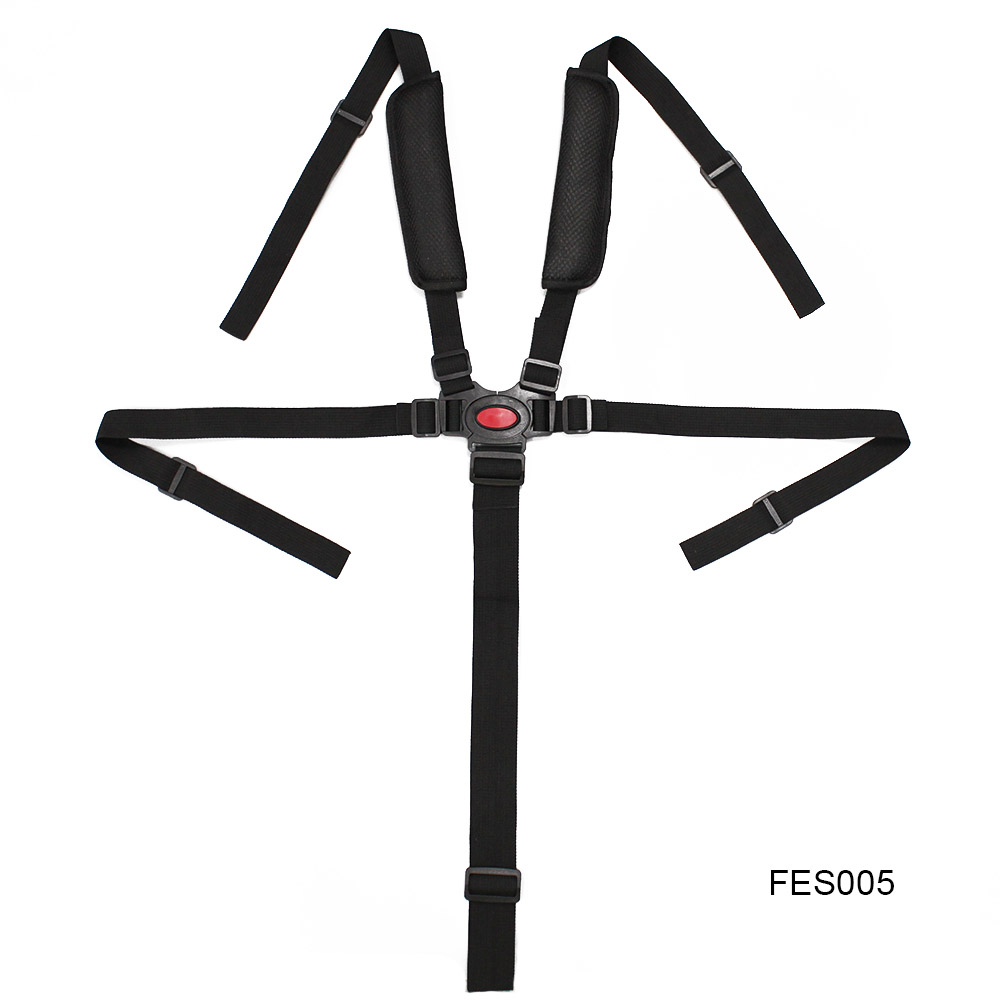
- Tensile strength testing equipment for 5-point harness systems
- Abrasion, colorfastness, and flammability testing for textiles
- Spectrometer equipment for heavy metal and phthalate screening
Beyond structural testing, textiles must meet strict chemical standards (like OEKO-TEX Standard 100) and specific flammability requirements (such as FMVSS 302 or UK Furniture and Furnishings Fire Safety Regulations) without relying on banned toxic flame retardants. Executing comprehensive Quality Control & Inspection during the textile cutting and stitching phases prevents costly assembly rejections later.
Production Realities: MOQ, Pricing, and Lead Times
When sourcing in bulk, pricing is heavily influenced by your choice between off-the-shelf white-label products and custom OEM/ODM Services.
For existing molds, factories typically require a Minimum Order Quantity (MOQ) per colorway to justify the fabric dyeing and cutting processes. If you are developing a custom seat, expect significant upfront capital expenditure for steel injection molds and a lengthy certification period before mass production can begin.
Need to negotiate MOQs or manage a complex tooling project? Our sourcing team can help structure your next bulk order.
Get a free consultationBuyer FAQ
Sourcing baby car seats demands a rigorous approach to supplier selection, where engineering capability and quality management systems outweigh simple unit cost comparisons. Taking the time to thoroughly vet a factory's testing infrastructure and compliance history is the only way to protect your brand and your end-users. If you need experienced boots on the ground to evaluate suppliers and manage production oversight, our team is ready to assist.
Get Sourcing Help for Baby Car Seats & Accessories
Tell us your requirements and our experts will connect you with verified manufacturers.