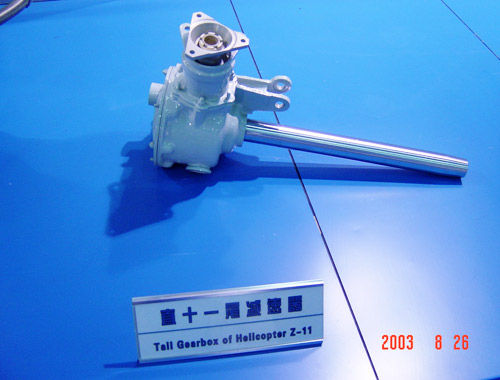
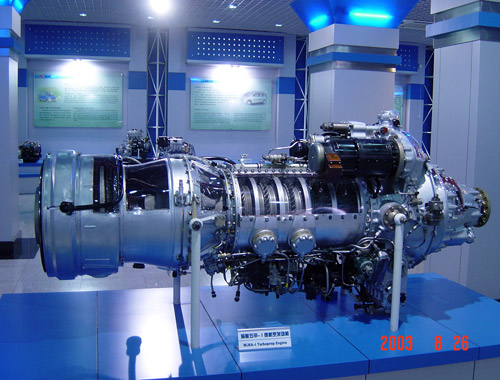
Aviation Parts
Source premium aviation parts from vetted manufacturers and suppliers. Designed for aerospace procurement managers, distributors, and brands seeking reliable OEM production, our network delivers precision-engineered components built to strict industry tolerances in bulk.
Sourcing aviation parts in volume demands rigorous oversight. The margin for error is non-existent, and the supply chain requires absolute traceability from raw billet to the finished component. Whether you are procuring interior cabin hardware, specialized mounting brackets, or precision-machined structural elements, your primary challenge is identifying manufacturing partners capable of holding strict aerospace tolerances while maintaining an unbroken chain of documentation.
Material Specifications and Machining Tolerances
The foundation of aerospace manufacturing lies in material integrity. Suppliers must be able to source, verify, and machine high-grade alloys without introducing stress fractures or compromising the material's structural properties.
When negotiating OEM/ODM Services for custom aviation parts, the material specification dictates the machining time, tooling wear, and ultimate unit cost.
| Alloy Grade | Primary Application | Machining Complexity |
|---|---|---|
| Aluminum 7075-T6 | Structural brackets, fuselage fittings | Moderate - Requires sharp tooling to prevent work hardening |
| Titanium Ti-6Al-4V | High-stress fasteners, turbine components | High - Low thermal conductivity causes rapid tool wear |
| Inconel 718 | Exhaust systems, high-temp environments | Very High - Prone to severe work hardening |
Tolerances in aviation parts frequently fall within the 0.0001-inch to 0.0005-inch range. Achieving this requires 5-axis CNC machining centers, rigid setups, and strict thermal control on the factory floor. If a supplier's facility lacks climate control, thermal expansion of the raw material during machining will lead to out-of-tolerance parts upon inspection.
Quality Control and Traceability
In the aviation sector, a part without documentation is effectively scrap metal. The certification of the facility and the traceability of the individual batch are just as critical as the physical dimensions of the component.
The AS9100D Requirement
For structural and flight-critical components, AS9100D certification is non-negotiable. Do not accept ISO 9001 as a substitute for aerospace applications, as it lacks the stringent requirements for counterfeit parts prevention and configuration management required by aviation authorities.
Before committing to a production run, you must verify the supplier's quality management system. A comprehensive Factory Audit is essential to ensure the manufacturer's AS9100 certificate is current, covers the specific manufacturing processes you require, and is issued by a recognized registrar.
Critical Pre-Production Documentation
- Material Test Reports (MTRs) directly from the metal mill
- First Article Inspection (FAI) report per AS9102 standards
- Certificate of Conformance (CoC) for all surface treatments (e.g., anodizing, passivation)
- Non-Destructive Testing (NDT) records
Need to verify a manufacturer's AS9100D certification and production capabilities? Let us run the groundwork and audit the facility before you place a PO.
Talk to our teamSurface Treatments and Defect Prevention
Aviation parts are subjected to extreme environmental conditions, making surface finishing a critical phase of production. Improper anodizing, chemical conversion coating (chem film), or passivation can lead to premature corrosion or fatigue failure.
Defects often occur when parts are transferred to third-party finishing facilities. It is vital to ensure that any subcontractors used for plating or coating are also Nadcap (National Aerospace and Defense Contractors Accreditation Program) approved. Relying on specialized Compliance & Testing services ensures that salt spray testing, coating thickness verification, and fluorescent penetrant inspections are conducted properly before shipment.
Pricing, MOQs, and Lead Times
Aviation part manufacturing is capital-intensive. Setup times for complex 5-axis CNC programs are lengthy, and aerospace-grade raw materials are expensive and subject to market volatility. Consequently, suppliers structure their pricing and Minimum Order Quantities (MOQs) to absorb these initial costs.
Pricing is heavily indexed to the raw material market, particularly for titanium and specialized superalloys. Buyers should expect quotes to have a short validity period (often 15 to 30 days) due to fluctuating metal prices. To optimize costs, consider negotiating blanket orders with scheduled releases, allowing the factory to procure raw materials in bulk while you manage cash flow.
Looking to optimize your tooling costs and batch sizes? We can help negotiate terms with vetted aerospace machinists to align with your production schedule.
Get a free consultationFrequently Asked Questions
Sourcing aviation components hinges on an unbroken chain of trust, precise engineering, and flawless documentation. By thoroughly vetting your suppliers' certifications and establishing rigorous quality control checkpoints, you can secure reliable production lines that meet the uncompromising standards of the aerospace industry.
Get Sourcing Help for Aviation Parts
Tell us your requirements and our experts will connect you with verified manufacturers.