Aviation Accessories
Source wholesale Aviation Accessories from vetted manufacturers and suppliers. Designed for aerospace distributors, importers, and brands requiring reliable OEM and private-label production, our network delivers high-quality cabin, ground, and crew accessories built to rigorous industry standards.
Sourcing aviation accessories in volume requires navigating a strict regulatory environment where even non-critical components must meet demanding standards for weight, durability, and safety. Whether you are procuring cabin interior fittings, cargo securing hardware, ground support gear, or crew equipment, success depends on partnering with factories capable of consistent precision and fully documented material traceability.
Critical Specifications and Material Selection
In the aviation sector, standard commercial materials rarely suffice. Buyers must specify exact grades to ensure parts survive high-vibration environments, extreme temperature fluctuations, and stringent fire safety regulations.
Cabin Interior Compliance
Any accessory destined for the aircraft cabin—including seatback organizers, tray table mechanisms, or fabric partitions—must comply with strict flammability standards, such as FAA FAR 25.853 or EASA equivalents. Your supplier must provide valid test reports from accredited third-party labs.
When developing product specifications with your manufacturer, prioritize the following material profiles:
- Aviation-Grade Alloys: For metal accessories (cargo tie-downs, structural brackets, tablet mounts), specify 6061-T6 or 7075-T6 aluminum for an optimal strength-to-weight ratio.
- High-Performance Polymers: For injection-molded cabin components, utilize polycarbonate (PC) or polyetherimide (PEI/Ultem) that inherently resist burning and emit minimal smoke or toxic fumes.
- Technical Textiles: For cargo nets, engine covers, and crew gear, specify Kevlar, Nomex, or high-tenacity nylon with UV and flame-retardant coatings.
Need help identifying factories with verified aerospace material supply chains? Let's discuss your specification requirements.
Talk to our teamManufacturing Tolerances and Quality Control
The gap between a standard consumer product factory and one capable of producing aviation accessories lies in their Quality Management System (QMS). Aviation accessories often require CNC machining with tight tolerances or specialized injection molding to ensure seamless integration into existing aircraft systems.
Relying solely on end-of-line inspections is a high-risk strategy. Implementing robust Quality Control & Inspection throughout the production cycle is non-negotiable.
Factory-Floor QC Checkpoints
- Material Traceability: Verification of Mill Test Reports (MTRs) before production begins.
- Dimensional Accuracy: First-article inspection using CMM (Coordinate Measuring Machines) for CNC-machined mounts and brackets.
- Surface Treatment Verification: Testing anodized or powder-coated finishes for corrosion resistance and thickness.
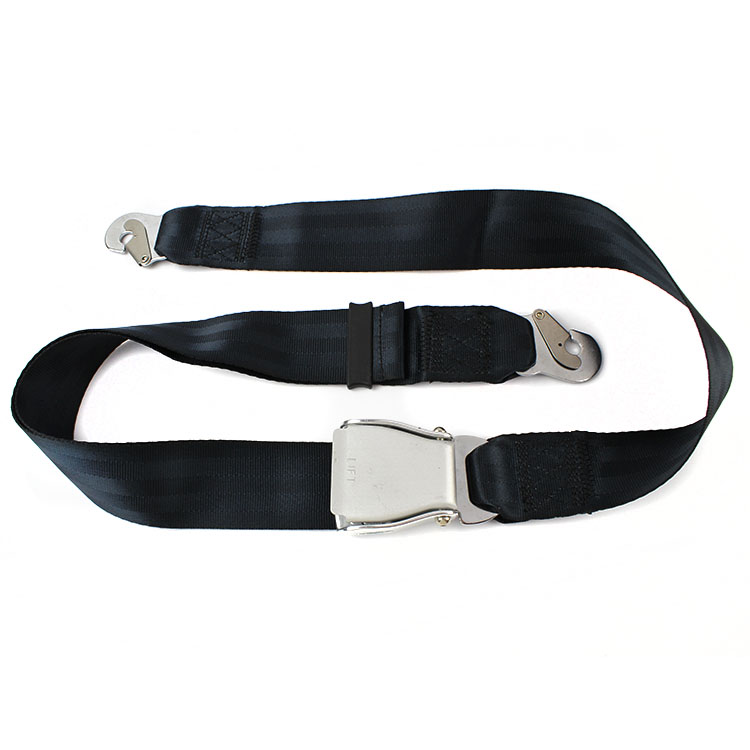
- Tensile Testing: Batch testing cargo nets and tie-down straps to ensure they meet rated load capacities.
If you are sourcing from a new supplier, conducting thorough Factory Audits is crucial. Ideally, look for facilities holding AS9100 certification, which builds upon ISO 9001 with specific aerospace requirements. If a factory lacks AS9100 but has strong ISO 9001 compliance, you must implement stricter third-party oversight to bridge the gap.
Sourcing Realities: MOQs, Pricing, and Lead Times
Aviation accessories are typically produced in lower volumes than automotive or consumer goods, which impacts pricing and Minimum Order Quantities (MOQs). Manufacturers must amortize the cost of high-grade materials and rigorous testing over smaller production runs.
If you are developing custom components or private-labeling existing designs, leveraging professional OEM/ODM Services can help you navigate tooling costs and prototype iterations efficiently.
Note: Complex electronic accessories (e.g., specialized crew headsets or active mounts) will require longer lead times due to component sourcing and electromagnetic interference (EMI) testing.
Struggling with high tooling costs or inflexible MOQs? We can negotiate terms with qualified manufacturers on your behalf.
Get a free consultationFrequently Asked Questions
Sourcing aviation accessories is an exercise in risk management and precise specification. By focusing on material traceability, stringent factory vetting, and continuous quality control, you can secure reliable production lines that meet both your commercial goals and the industry's exacting standards.
Get Sourcing Help for Aviation Accessories
Tell us your requirements and our experts will connect you with verified manufacturers.