Automotive Rubber Products
Source high-performance Automotive Rubber Products from vetted manufacturers and suppliers in China and Asia. Designed for importers, distributors, and brands requiring OEM/ODM production in volume, our network provides access to reliable factories capable of meeting strict automotive industry standards.
Automotive rubber components face relentless environmental stress—extreme temperature fluctuations, constant vibration, and exposure to oils, fuels, and UV radiation. Sourcing these parts in bulk requires strict adherence to material specifications and automotive quality standards. A failure in a low-cost seal or mount can lead to catastrophic system failure, making factory selection and material verification the most critical steps in your procurement process.
Specifying the Right Automotive Elastomers
The core of any automotive rubber product is the polymer blend. Factories often quote lower prices by substituting premium compounds with cheaper blends or adding excess fillers (like carbon black or calcium carbonate), which compromises tensile strength and compression set. When requesting quotes, you must specify the exact polymer, durometer (Shore A), and required temperature resistance.
| Elastomer | Primary Auto Application | Temp Range | Key Resistance |
|---|---|---|---|
| EPDM | Weather stripping, coolant hoses | -40°C to 150°C | Ozone, UV, glycol, water |
| NBR (Nitrile) | Fuel lines, oil seals, gaskets | -30°C to 120°C | Oil, fuel, petroleum greases |
| Silicone (VMQ) | Turbo hoses, ignition cables | -60°C to 200°C+ | Extreme heat, cold flexibility |
| FKM (Viton) | High-performance engine seals | -20°C to 200°C+ | Aggressive chemicals, synthetic oils |
Need help verifying a factory's material capabilities and automotive certifications?
Talk to our teamManufacturing Processes and Quality Control
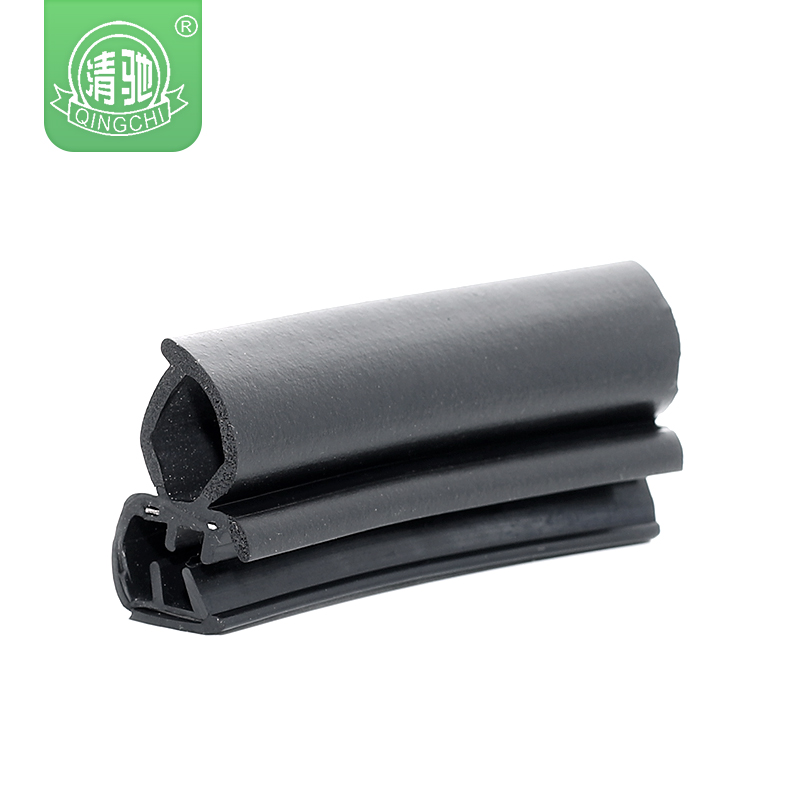
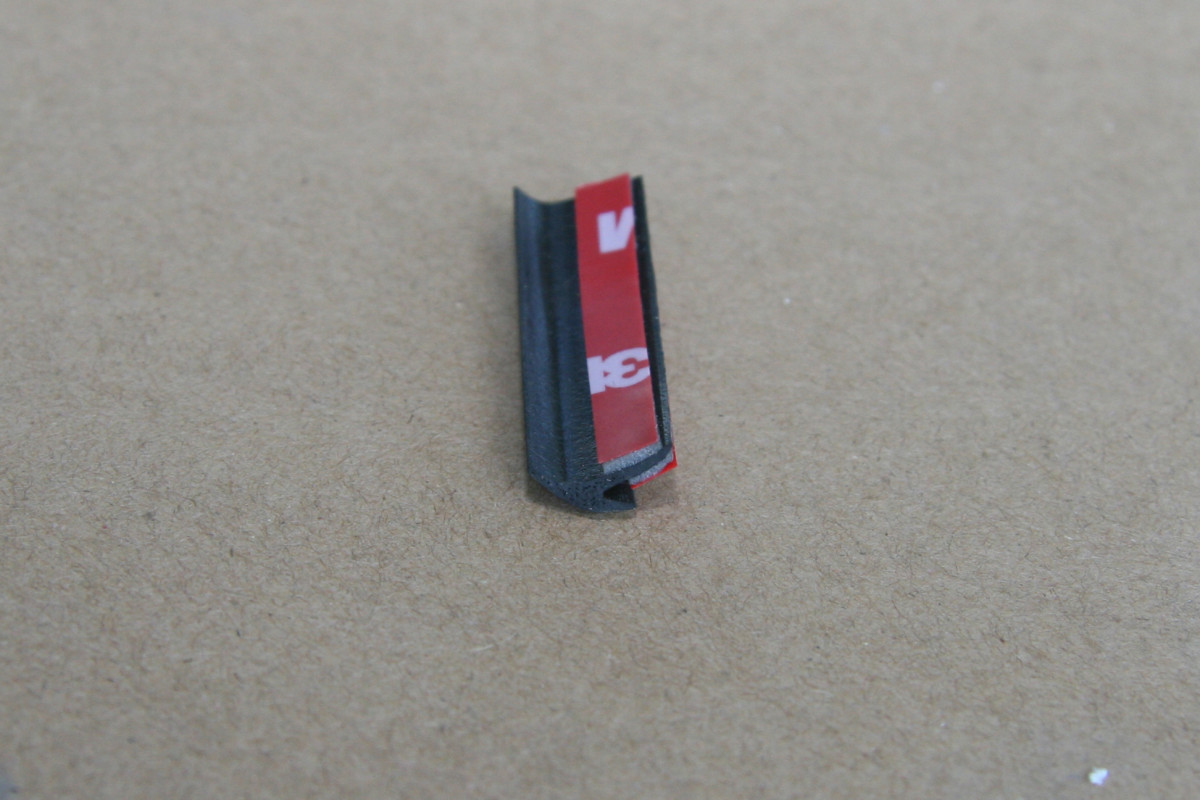
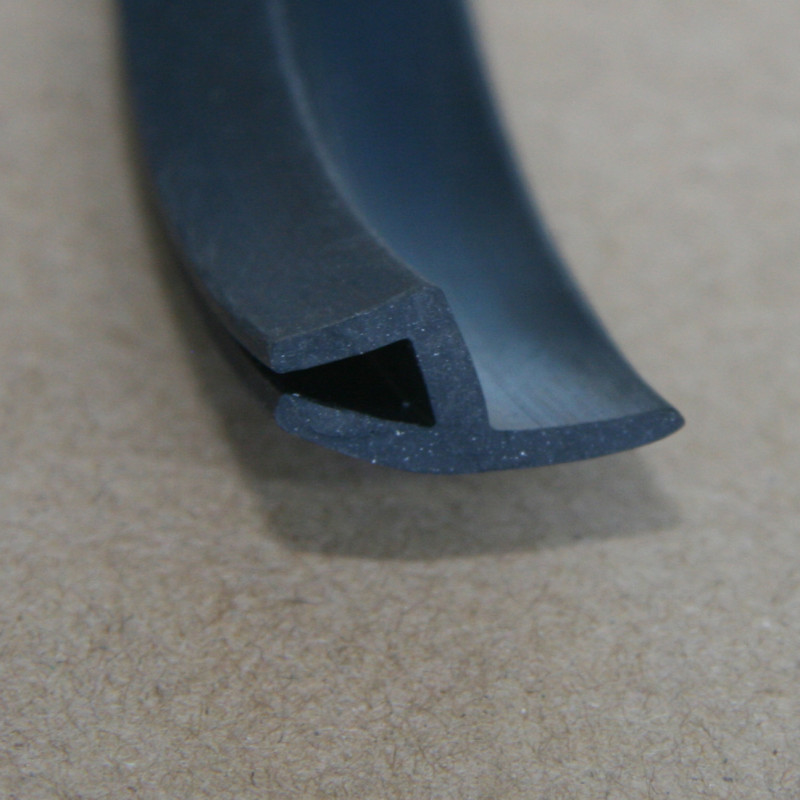
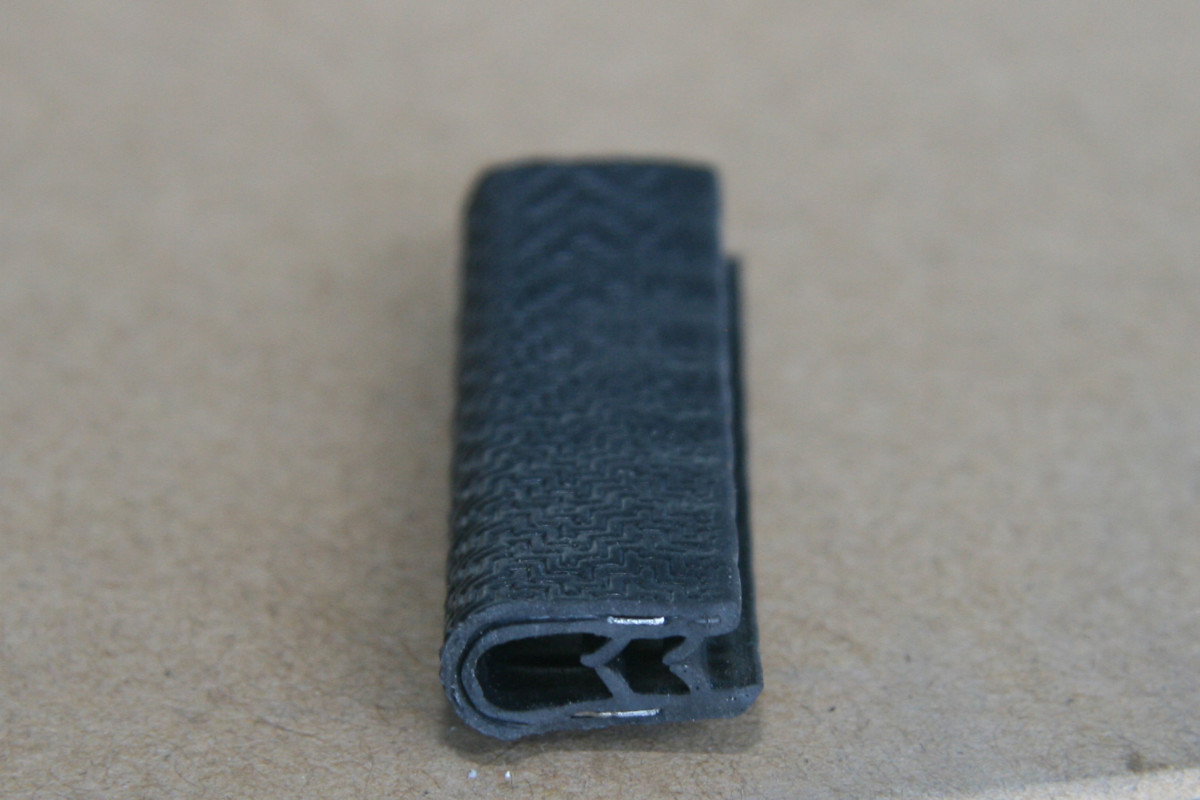
Automotive rubber manufacturing typically falls into two categories: extrusion (for continuous profiles like door seals) and molding (injection, compression, or transfer molding for discrete parts like O-rings, engine mounts, and bushings).
For custom parts, tooling precision dictates the final product's quality. Poorly machined molds result in excessive flash (unwanted material at the seam), which requires manual trimming that can damage the sealing edge.
When vetting suppliers, IATF 16949 certification is the baseline for any serious automotive manufacturer. However, paper certificates are not enough. Conducting thorough Factory Audits ensures the facility actually implements these quality management systems on the floor, particularly regarding batch traceability and curing times.
Critical Quality Checks for Automotive Rubber
- Verify exact compound composition via third-party spectrometer testing.
- Check compression set data (critical for seals to ensure they rebound after pressure).
- Inspect for excessive flash, parting line mismatches, or flow marks.
- Ensure batch traceability is maintained from raw polymer mixing to final vulcanization.
Implementing strict Quality Control & Inspection protocols before shipment is vital to catch dimensional deviations before they enter your supply chain.
Tooling, MOQs, and Pricing Mechanics
Pricing for automotive rubber products is heavily dependent on raw material costs, the complexity of the mold, and production volume. Custom components require bespoke steel tooling. While injection molds are more expensive upfront than compression molds, they offer faster cycle times and lower unit costs for high-volume runs.
If you are developing proprietary components, leveraging professional OEM/ODM Services ensures your intellectual property is protected and that the factory's engineering team correctly accounts for shrinkage rates specific to your chosen elastomer.
Looking to develop custom automotive rubber components with reliable tooling and competitive pricing?
Get a free consultationFrequently Asked Questions
Sourcing automotive rubber products is an exercise in risk management. A fraction of a cent saved on raw materials can cost exponentially more in product failures and recalls. Focus on partnering with manufacturers who demonstrate transparent material sourcing, rigorous process controls, and verifiable automotive industry credentials.
Get Sourcing Help for Automotive Rubber Products
Tell us your requirements and our experts will connect you with verified manufacturers.