Automobile Wheels
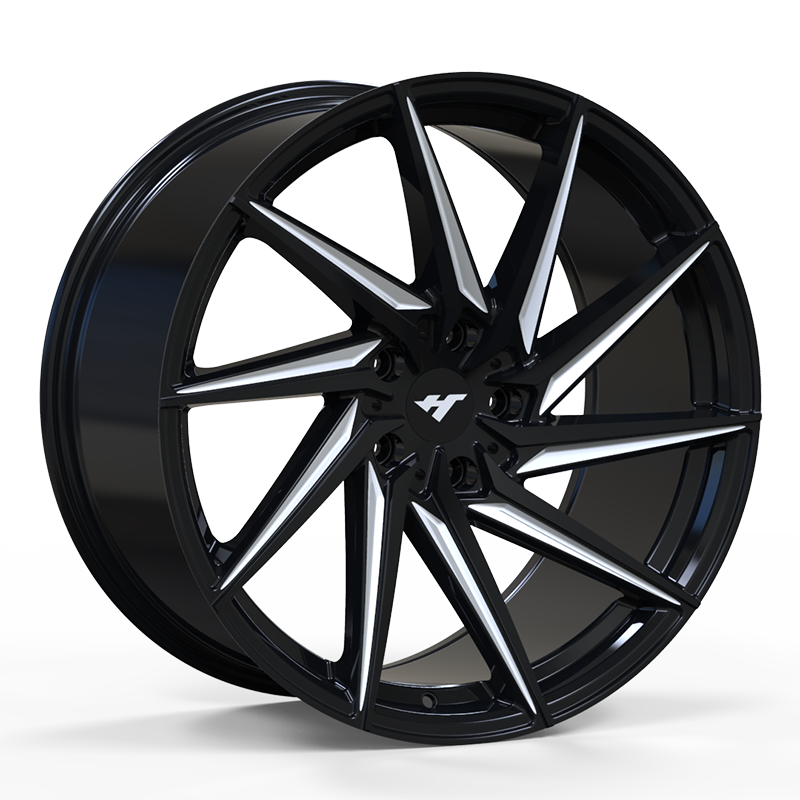
Source high-quality automobile wheels directly from vetted manufacturers and wholesale suppliers. Designed for automotive distributors, aftermarket wholesalers, and brands requiring OEM or private-label production, our network delivers reliable alloy and steel wheels engineered for performance, safety, and strict global compliance.
Sourcing automobile wheels at scale requires strict adherence to structural integrity, load capacities, and regional safety standards. Whether you are importing aftermarket alloy wheels or developing custom forged designs, success depends on aligning your technical specifications with a manufacturer capable of consistent metallurgical control, precision machining, and flawless finishing.
Manufacturing Methods and Material Specifications
The core of your sourcing strategy dictates the manufacturing process. Most modern passenger vehicle wheels utilize aluminum alloys (typically A356.2), but the method of forming the wheel drastically alters its strength, weight, and unit cost.
When specifying your orders, ensure your supplier understands your exact requirements for Pitch Circle Diameter (PCD), Offset (ET), Center Bore (CB), and maximum load rating.
| Manufacturing Method | Process Overview | Best Application | Relative Cost |
|---|---|---|---|
| Gravity Casting | Molten aluminum poured into a mold using only gravity. | Entry-level aftermarket, budget OEM replacements. | Low |
| Low-Pressure Die Casting (LPDC) | Aluminum forced into a mold under pressure for higher density. | Standard OEM wheels, mid-tier aftermarket brands. | Medium |
| Flow Forming | Cast inner barrel is heated and spun over a steel cylinder to stretch and compress the alloy. | Performance aftermarket, track-focused applications. | Medium-High |
| Forging (1-Piece / Multi-Piece) | Solid aluminum billet (6061-T6) shaped under extreme pressure. | High-end luxury, motorsport, premium custom brands. | High |
Struggling to find a factory that can reliably produce flow-formed or forged wheels to your exact specifications? Let our engineers match you with a vetted manufacturer.
Discuss Your Wheel SpecsQuality Control and Safety Certifications
Automobile wheels are critical safety components. A structural failure at highway speeds is catastrophic, meaning your supplier's testing capabilities are just as important as their production capacity. You cannot rely on visual inspections alone; internal defects like porosity or microscopic cracking require advanced testing infrastructure.
Before committing to a production run, verify the factory's internal testing protocols. Conducting comprehensive Factory Audits is essential to confirm that the supplier actually owns and operates the testing equipment they claim to have.
Critical Factory-Level Wheel Tests
- X-Ray Inspection: Mandatory for cast wheels to detect internal voids, shrinkage, and porosity.
- Dynamic Radial Fatigue Testing: Simulates the forces of a vehicle's weight over its lifetime.
- Dynamic Cornering Fatigue Testing: Tests the structural integrity of the wheel center and spokes under heavy lateral loads.
- Impact Testing (13-Degree / 90-Degree): Drops a striker weight onto the wheel rim to simulate pothole or curb strikes.
- Helium Leak Testing: Ensures the barrel is perfectly sealed for tubeless tires.
Compliance is highly regional. Ensure your manufacturer can provide documentation or pass independent Compliance & Testing for your target market. Look for DOT (United States), TUV (Europe), and VIA/JWL (Japan) standards.
Customization and OEM Development
For brands looking to differentiate themselves, custom wheel development is a standard requirement. Developing a custom wheel involves creating a 3D model, running Finite Element Analysis (FEA) to verify load ratings and structural integrity, and opening new molds.
If you are pursuing custom designs, utilizing dedicated OEM/ODM Services ensures that your intellectual property is protected and that the transition from CAD drawing to physical mold is handled without costly engineering translation errors.
Tooling Ownership
Always explicitly state tooling ownership in your manufacturing contract. If you pay for a custom mold, ensure the contract prevents the factory from using that mold to sell your design to other buyers in your market.
Sourcing Realities: MOQs, Pricing, and Lead Times
Wheel manufacturing is heavily dependent on economies of scale. Mold setup, CNC programming, and automated painting lines require significant volume to run efficiently.
Prices fluctuate based on global aluminum ingot costs, the complexity of the finish (e.g., standard painted vs. diamond-cut machined face vs. PVD chrome), and the manufacturing method.
Need accurate pricing and lead times for your next bulk order? Speak with our sourcing experts to get a transparent breakdown of current market rates and factory availability.
Get Current PricingFrequently Asked Questions
Successfully sourcing automobile wheels requires balancing aggressive pricing with uncompromising safety standards. By partnering with vetted manufacturers, clearly defining your metallurgical and testing requirements, and maintaining strict quality oversight, you can build a reliable and highly profitable supply chain.
Get Sourcing Help for Automobile Wheels
Tell us your requirements and our experts will connect you with verified manufacturers.