Automobile Engine
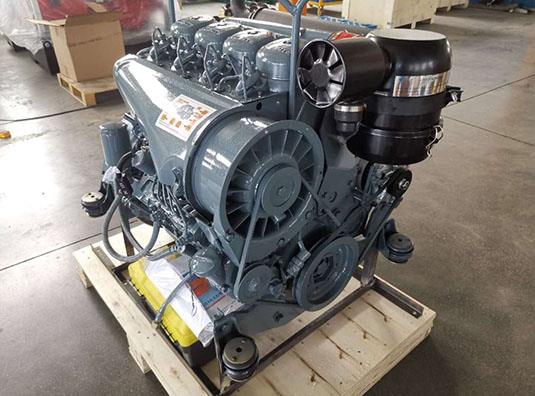
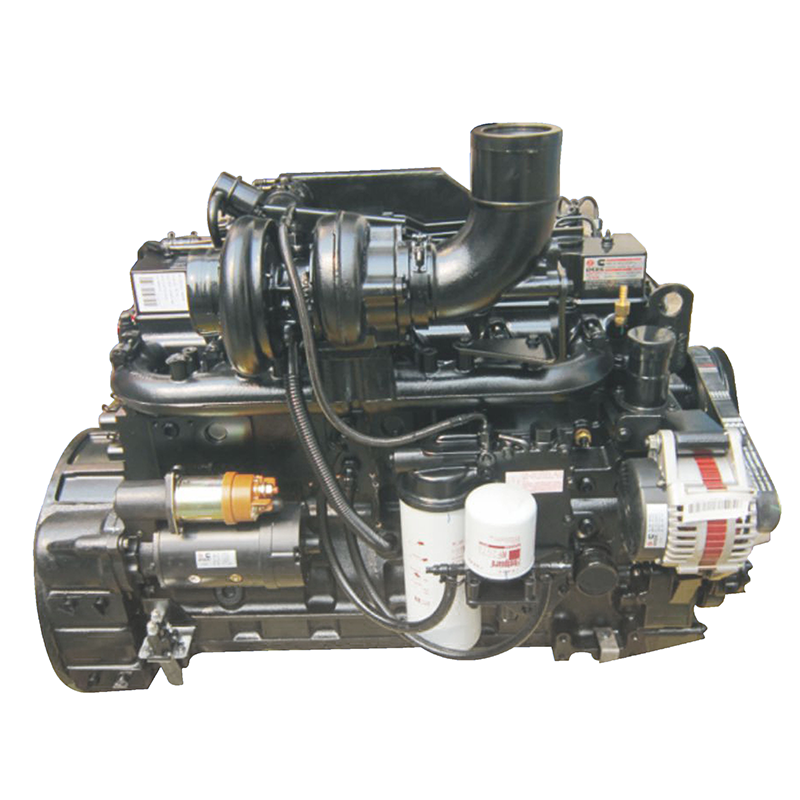
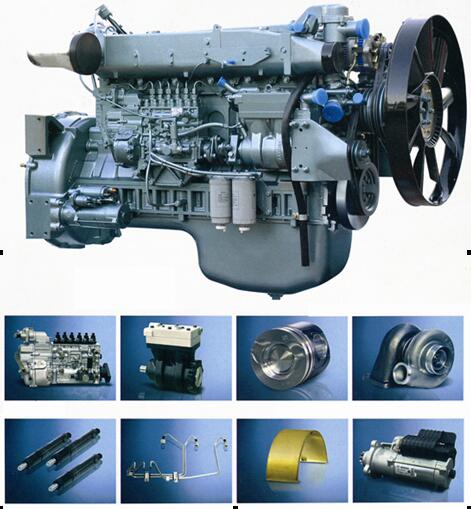
Source complete automobile engines and core long blocks directly from vetted suppliers and manufacturers. Designed for automotive distributors, aftermarket wholesalers, and OEM brands requiring reliable high-volume production. Secure competitive pricing and consistent quality for your import supply chain.
Sourcing complete automobile engines, long blocks, or short blocks requires stringent oversight of casting integrity, CNC machining precision, and assembly protocols. A minor deviation in cylinder honing or deck flatness can lead to catastrophic failure in the field, making rigorous supplier vetting and strict quality assurance the absolute foundation of any successful high-volume import program.
Critical Specifications and Machining Tolerances
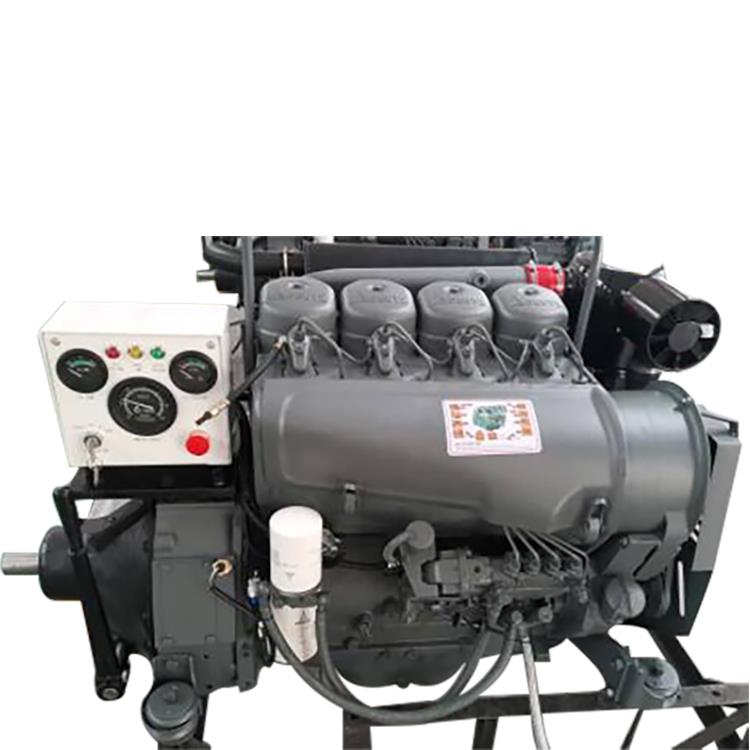
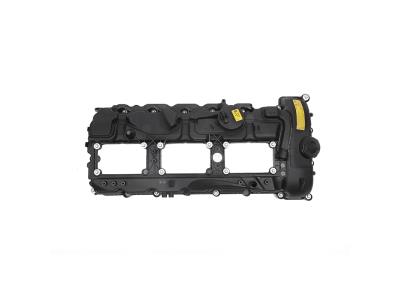
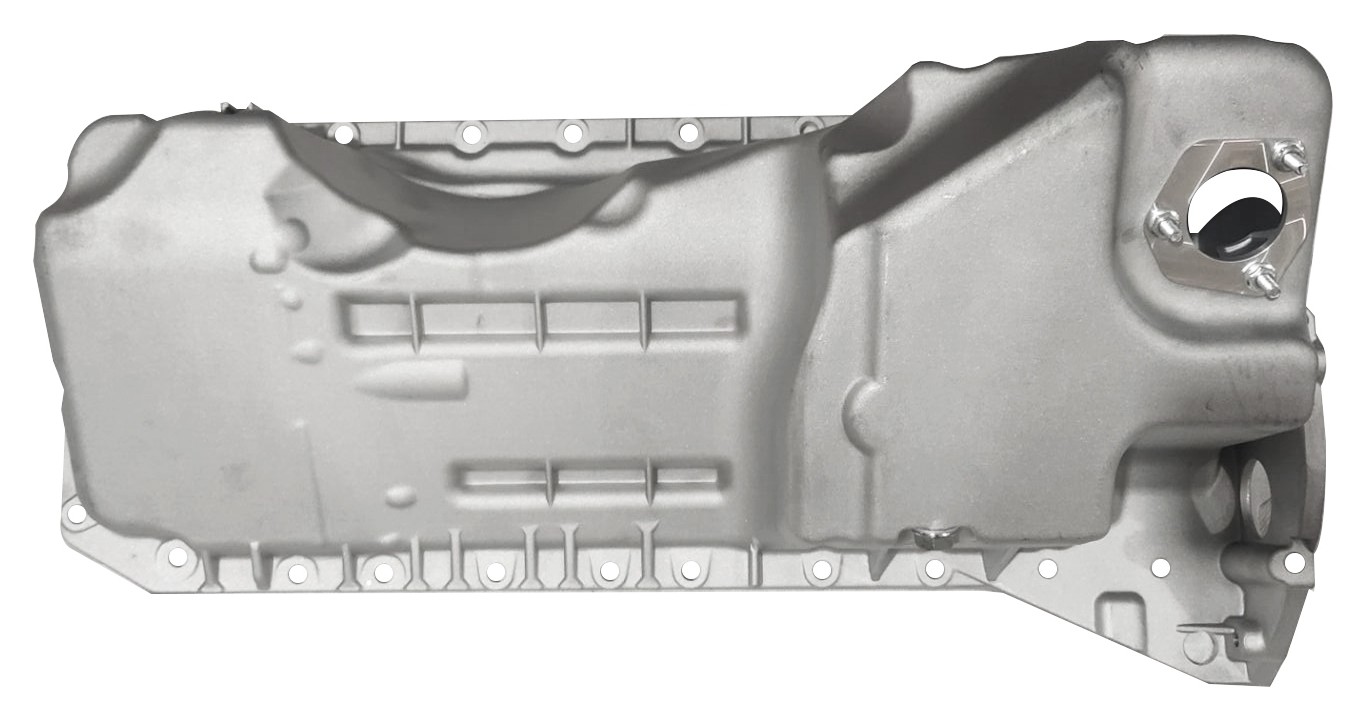
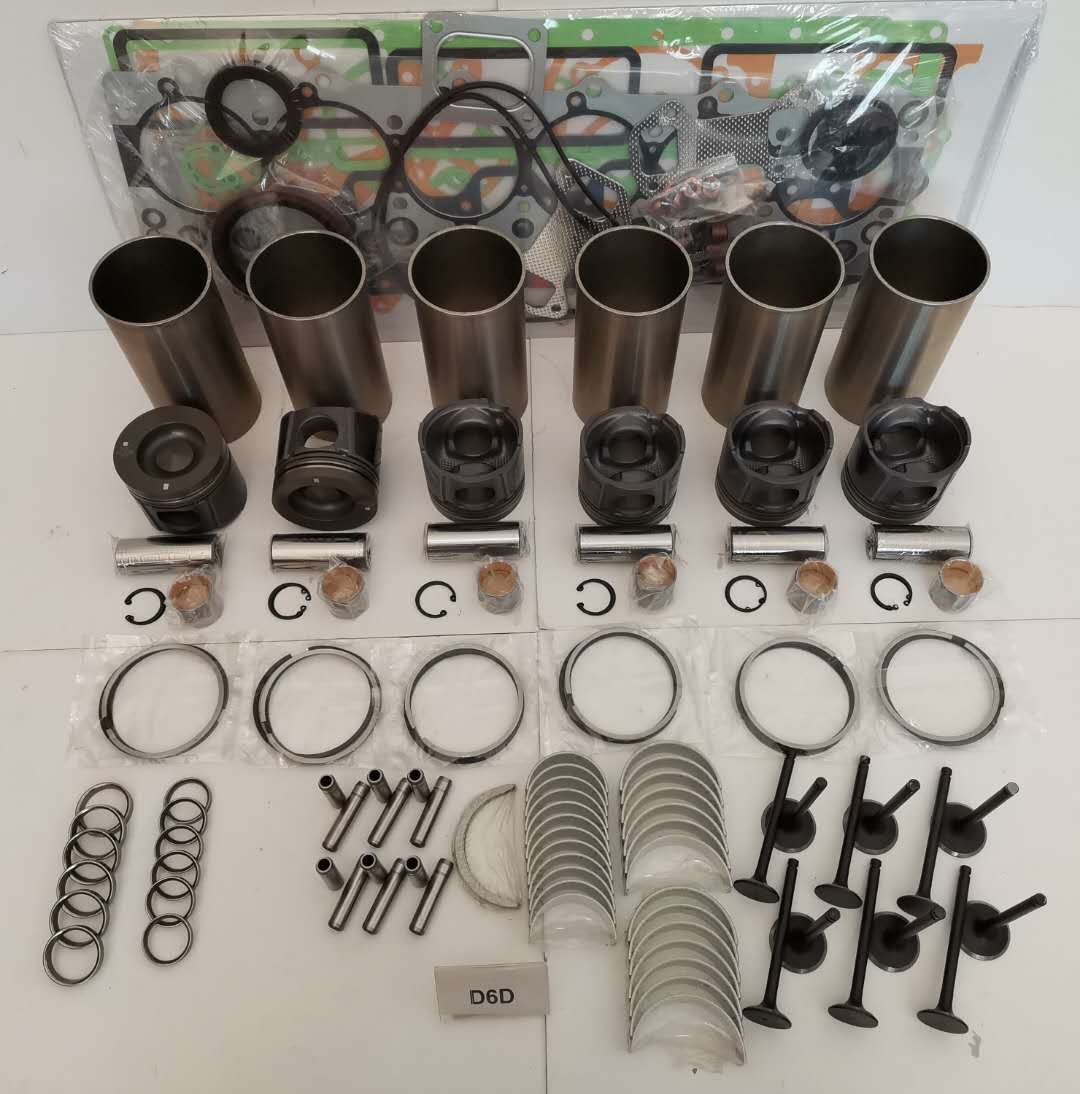
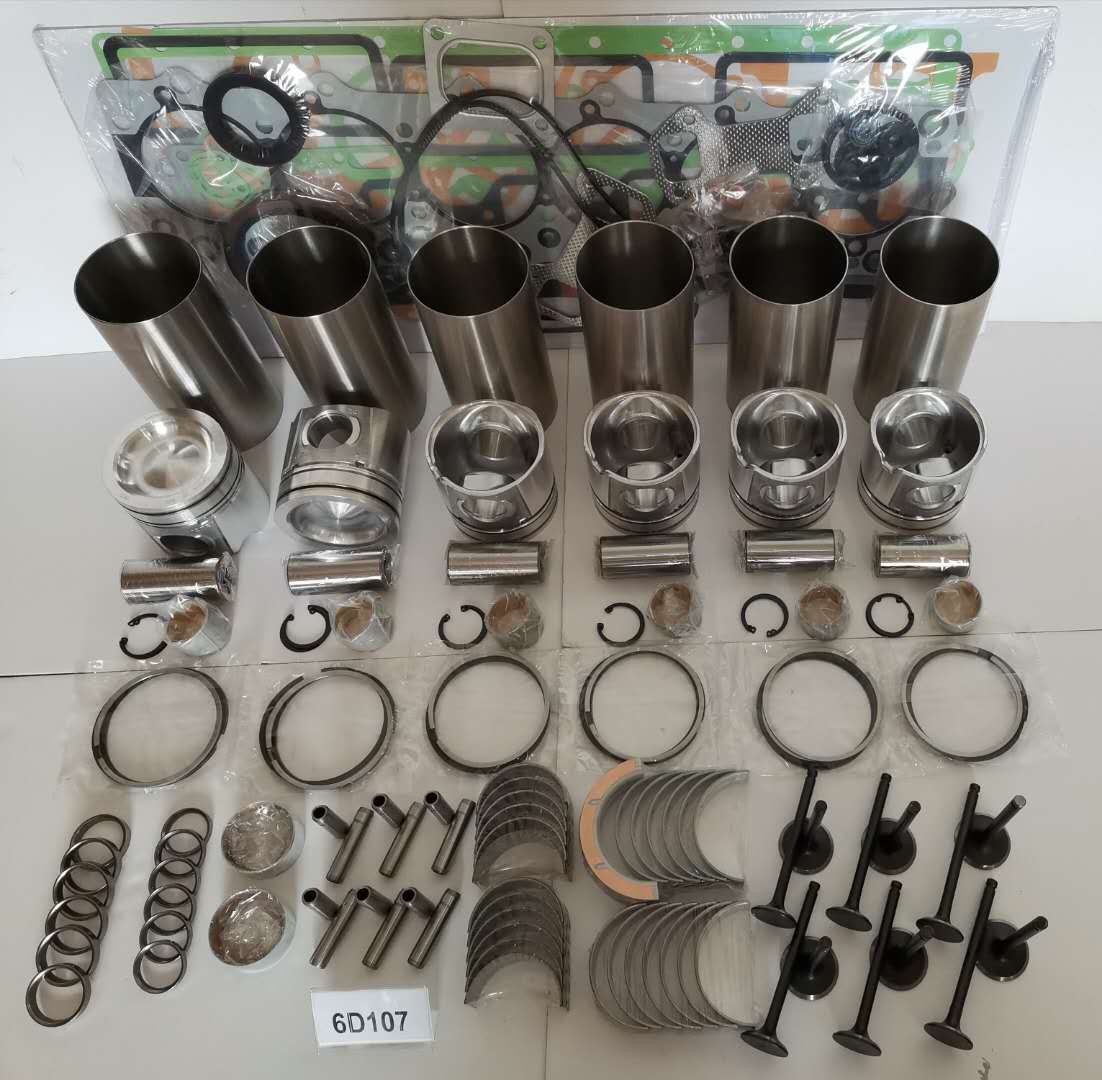
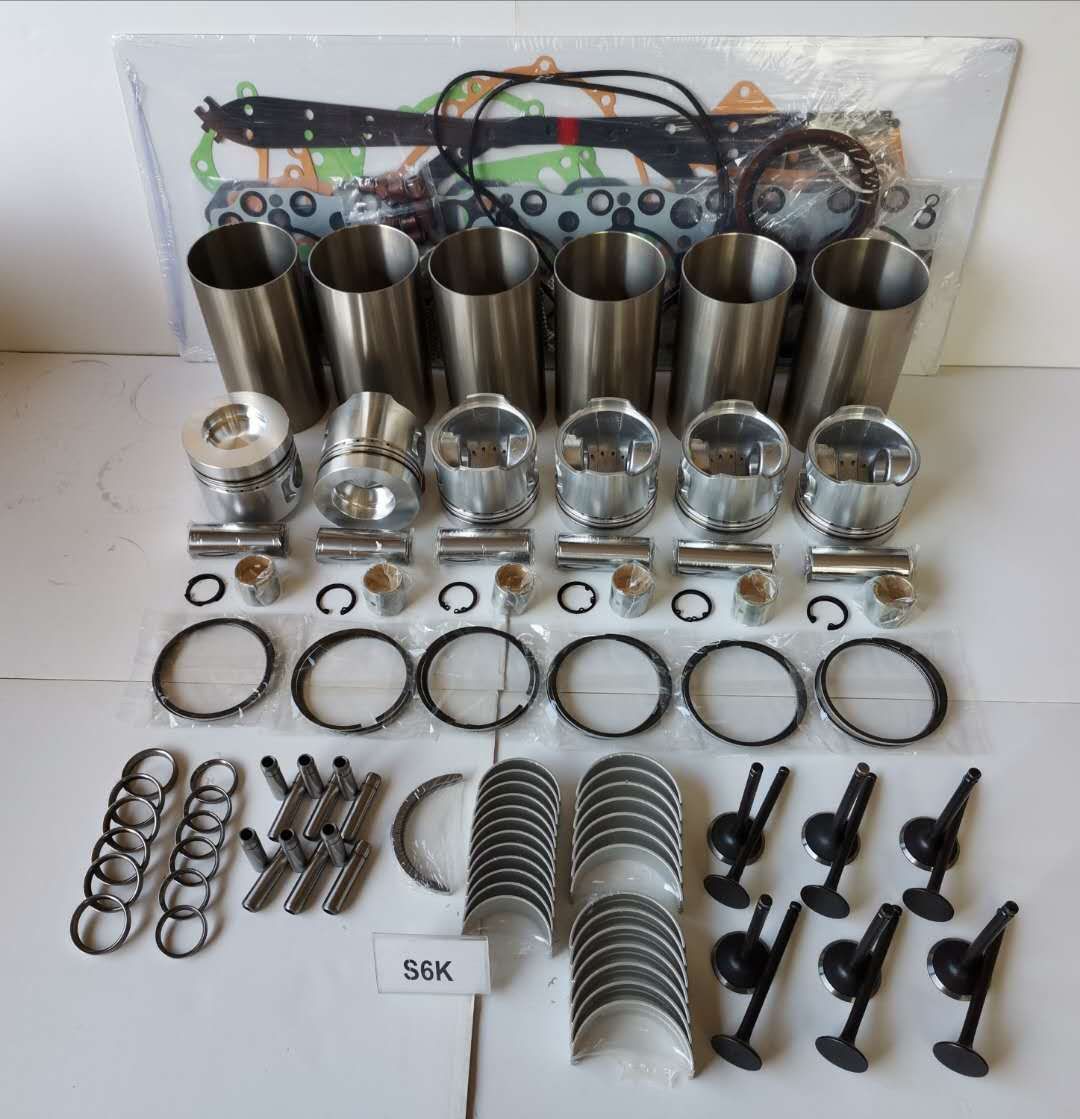
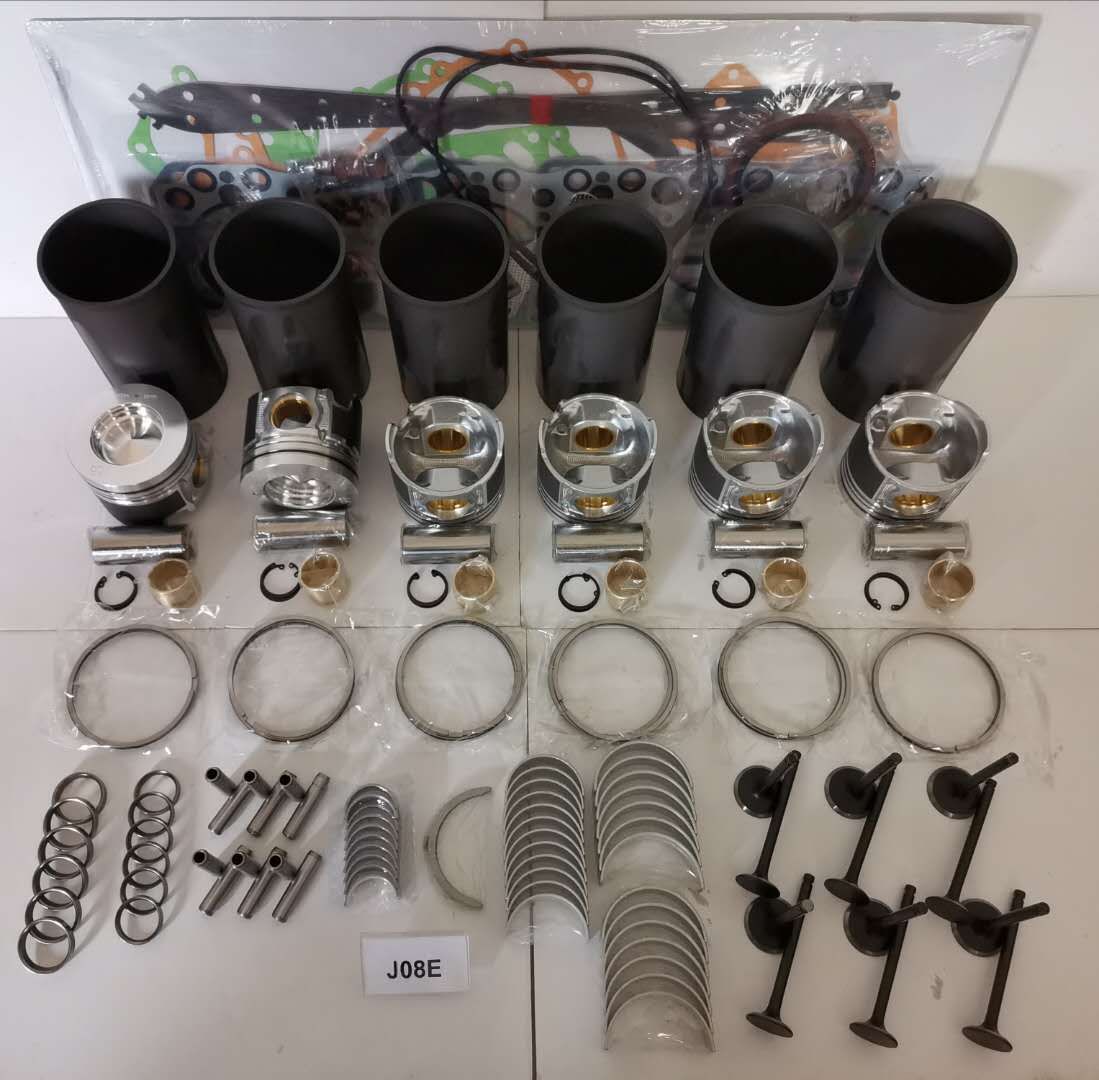
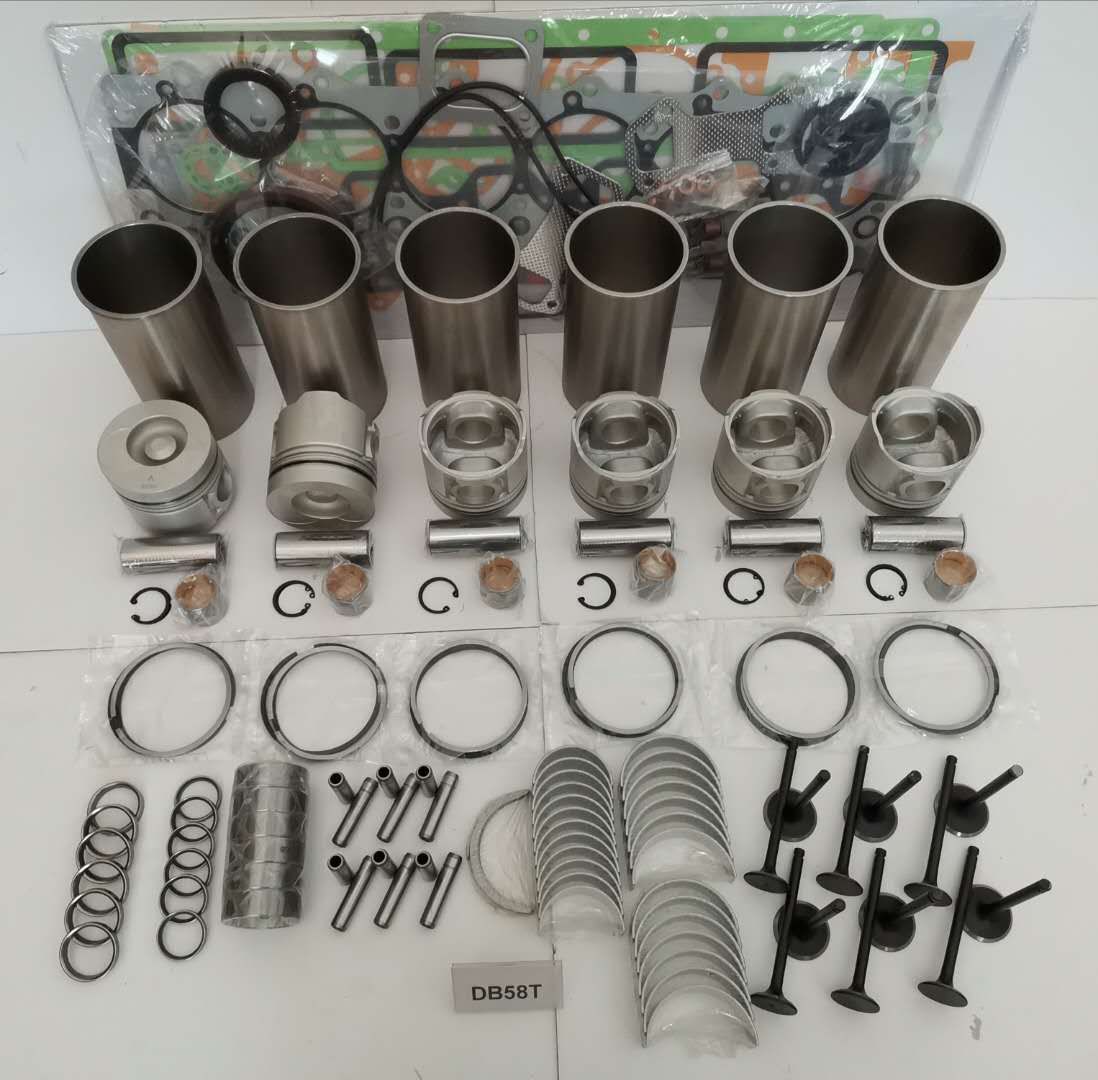
When procuring automotive engines for the aftermarket or custom applications, your technical requirements must leave zero room for supplier interpretation. Buyers must explicitly define the configuration—whether a bare block, short block (rotating assembly included), long block (cylinder head attached), or a fully dressed engine.
Essential Engine Procurement Specifications
- Block and Head Material: Specify exact alloy grades (e.g., A356-T6 aluminum or gray cast iron) to ensure thermal stability.
- Machining Tolerances: Require CMM (Coordinate Measuring Machine) reports verifying deck flatness, main bearing alignment, and cylinder bore roundness to within OEM-equivalent microns.
- Rotating Assembly Balancing: Define acceptable imbalance limits in gram-centimeters (g-cm) for the crankshaft, connecting rods, and pistons.
- Surface Finish (Ra): Specify the required roughness average for cylinder walls to ensure proper piston ring seating and oil retention.
Need an expert on the ground to verify a supplier's CNC and foundry capabilities before you commit to a major order?
Talk to our teamManufacturing Quality and Defect Prevention
The quality of an automobile engine is won or lost in the foundry and the machining center. Poor casting controls lead to internal porosity, which can cause oil and coolant cross-contamination once the engine reaches operating temperature.
To mitigate these risks, serious buyers rely on comprehensive factory audits to verify that a supplier operates modern, temperature-controlled casting facilities and uses automated CNC multi-axis mills rather than outdated manual equipment.
| Material Type | Manufacturing Challenges | Inspection Focus |
|---|---|---|
| Gray Cast Iron | Weight management, core shift during casting | Magnetic particle inspection for micro-cracks |
| Aluminum Alloy | Gas porosity, thermal warping during machining | X-ray inspection, strict heat treatment verification |
Essential Testing Protocols
Before any engine leaves the factory floor, strict quality control protocols must be executed. Relying solely on a factory's internal testing is a high-risk strategy. Independent verification should include:
- Cold Testing: Spinning the engine via an electric motor to verify oil pressure, compression, and proper valve timing without introducing fuel.
- Leak-Down Testing: Pressurizing the cylinders to ensure valve seats and piston rings maintain a tight seal.
- Hot Testing (for complete engines): Running the engine under its own power on a dynamometer to verify performance metrics, emissions compliance, and thermal stability.
Sourcing Regions, MOQs, and Lead Times
The bulk of automotive engine manufacturing in Asia is concentrated in established automotive hubs such as Chongqing, Zhejiang, and Shandong. These regions offer deep supply chains for forged internals, gaskets, and specialized fasteners.
Because engines are capital-intensive and heavy, procurement requires careful financial and logistical planning. Buyers developing proprietary performance engines will utilize OEM/ODM services, which require significant upfront investment in tooling and molds.
Struggling to negotiate favorable payment terms or coordinate heavy sea freight for your engine imports? Let our supply chain experts streamline your procurement.
Get a free consultationFrequently Asked Questions
Successfully importing automobile engines requires balancing strict metallurgical standards with complex logistics. By establishing rigorous inspection protocols and partnering with capable foundries, importers can secure highly reliable inventory that protects their brand reputation and bottom line.
Get Sourcing Help for Automobile Engine
Tell us your requirements and our experts will connect you with verified manufacturers.