Automatic Door Operators
Source commercial-grade automatic door operators from vetted suppliers and manufacturers across Asia. Built for high-traffic environments, this catalog serves importers, wholesalers, distributors, and brands seeking reliable OEM/ODM production, competitive bulk pricing, and stringent quality control.
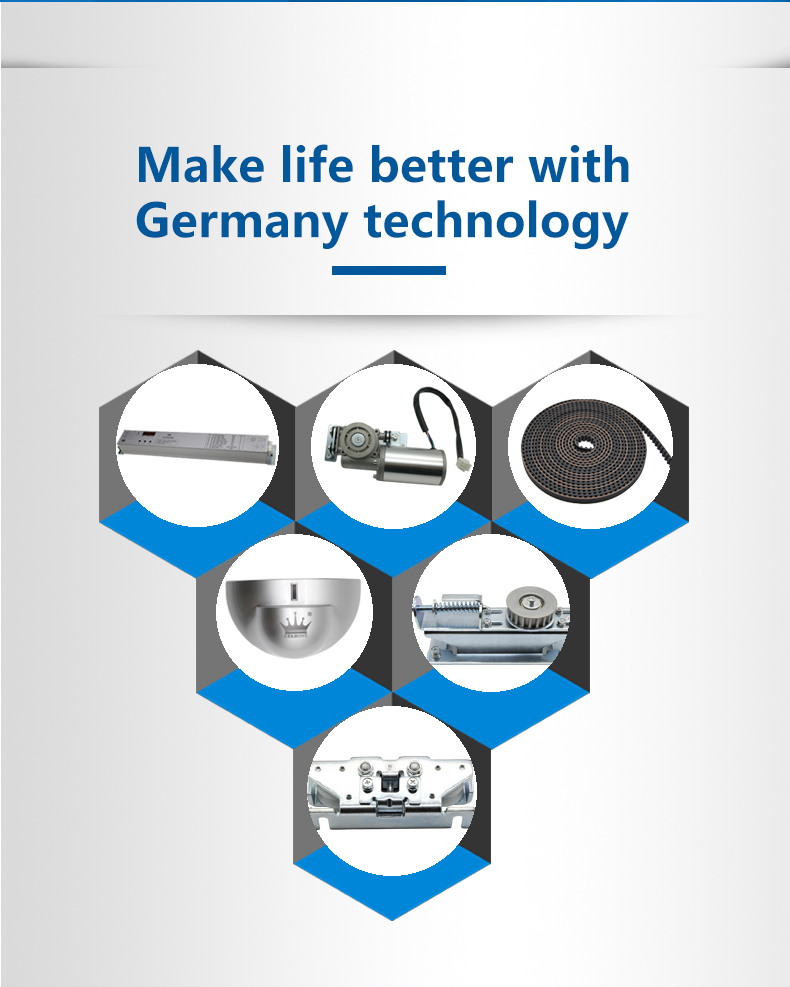
Sourcing automatic door operators at scale requires balancing mechanical endurance with electronic stability. In commercial environments, a failed operator means immediate operational disruption and potential safety liabilities. When buying in bulk, the primary challenge is ensuring that the manufacturer's internal components—specifically the motor, transmission belt, and microprocessor controller—actually meet the cycle-life and payload claims stated on their spec sheets.
Core Specifications and Component Selection
The reliability of a sliding or swing door operator hinges on its drive system. Manufacturers typically offer varying tiers of internal components, which drastically impact both unit cost and lifespan.
When specifying your requirements to a factory, clarify the following technical parameters:
- Motor Type: Brushless DC (BLDC) motors are the industry standard for commercial applications due to their longevity and low noise output. Brushed motors are cheaper but require maintenance and have shorter lifespans.
- Payload Capacity: Standard sliding operators support 100 kg to 150 kg per leaf (for double doors). Heavy-duty variants must be specified for payloads exceeding 200 kg.
- Controller Architecture: Look for microprocessors that support self-learning functions (automatically measuring door weight and friction to adjust torque) and integration with standard access control systems (RS485 or dry contact).
- Transmission: Polyurethane timing belts reinforced with steel or Kevlar cords prevent stretching over high-cycle usage.
| Feature | Standard Commercial | Heavy-Duty / High-Traffic |
|---|---|---|
| Motor | 24V BLDC (50W - 60W) | 24V BLDC (100W+) |
| Max Door Weight | Up to 150kg per leaf | Over 250kg per leaf |
| Opening Speed | 15 - 50 cm/s (adjustable) | 20 - 70 cm/s (adjustable) |
| Cycle Rating | 1 Million Cycles | 3+ Million Cycles |
Need help verifying component quality before placing a bulk order? Our engineering team can evaluate factory spec sheets and prototypes.
Discuss Your SpecsManufacturing Quality and Factory Floor Realities
Not all assembly lines are equipped to produce consistent electro-mechanical devices. Many lower-tier suppliers assemble off-the-shelf components without rigorous system-level testing. Before committing to a supplier, executing thorough Factory Audits is critical to verify their testing capabilities and supply chain for raw materials.
Critical Quality Control Checks
A reliable manufacturer should have dedicated testing stations on their assembly line. When implementing Quality Control & Inspection, ensure your inspectors verify:
Pre-Shipment Inspection Focus Areas
- Cycle Testing: Verification of continuous run capabilities without thermal overload.
- Obstruction Reversal: Testing the controller's sensitivity to obstacles during the closing cycle (critical for safety compliance).
- Noise Levels: Decibel testing during operation (standard BLDC units should operate under 55 dB).
- Voltage Tolerance: Testing controller stability under fluctuating input voltages (e.g., AC 110V-240V ±10%).
- Belt Tension: Checking the factory calibration of the transmission belt to prevent premature wear.
Compliance and Safety Standards
Automatic door operators are heavily regulated due to their interaction with pedestrian traffic. Importing non-compliant units can lead to customs seizures or severe liability issues.
Depending on your target market, the operator and its accompanying sensors (microwave or active infrared) must meet specific safety standards. European markets require compliance with EN 16005 (Safety in use of power operated pedestrian door sets) and CE marking (Machinery, EMC, and LVD directives). North American markets look for ANSI/BHMA A156.10 compliance and UL certification for the electrical components. Navigating these requirements often requires professional Compliance & Testing support to ensure the factory's certificates are valid and applicable to your specific configuration.
Pricing, MOQs, and Lead Times
Pricing for automatic door operators is highly dependent on the motor origin (domestic Chinese BLDC vs. imported motors like Dunkermotoren), the sophistication of the controller, and the inclusion of peripheral sensors.
For buyers looking to develop proprietary features or integrate specific smart-building protocols, leveraging OEM/ODM Services allows you to customize the PCB and housing. Tooling costs for custom aluminum track profiles are generally low, but custom electronic development will require higher initial commitments.
Negotiating MOQs and managing production schedules across multiple component suppliers can be complex. Talk to our sourcing experts to streamline your procurement.
Get a Free ConsultationFrequently Asked Questions
Sourcing automatic door operators is about managing risk at the intersection of mechanical hardware and electronics. By strictly defining your component requirements and enforcing rigorous testing standards on the factory floor, you can secure high-margin, commercial-grade products that perform reliably in the field. If you need boots on the ground to vet suppliers, negotiate terms, and oversee production, our team is ready to manage the process.
Get Sourcing Help for Automatic Door Operators
Tell us your requirements and our experts will connect you with verified manufacturers.