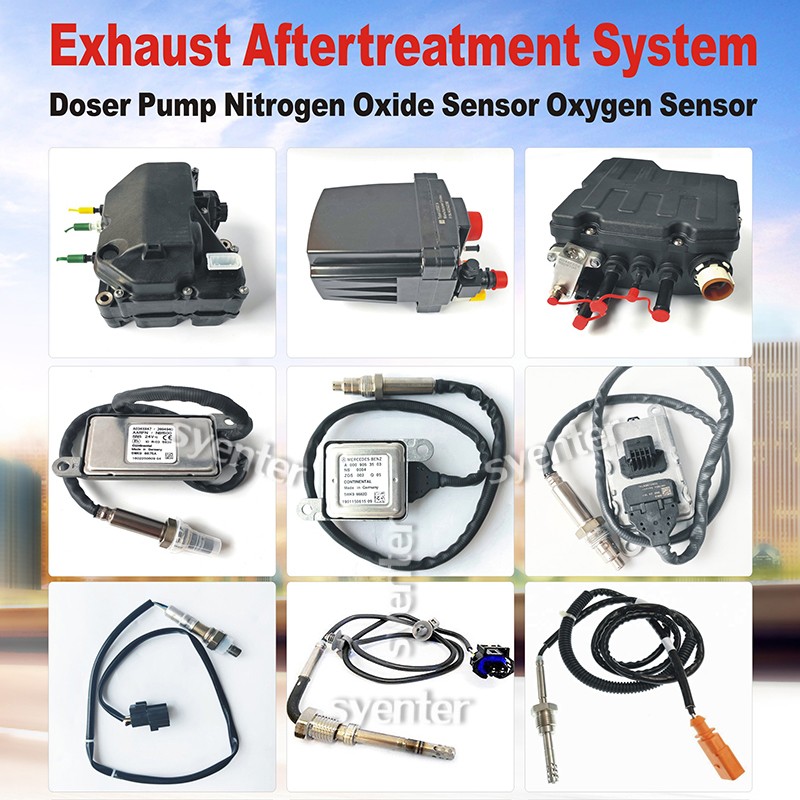
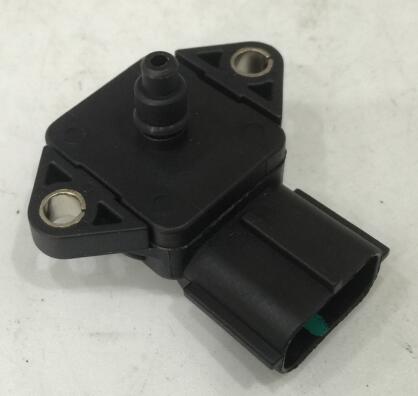
Auto Sensors
Source premium auto sensors in bulk from vetted Chinese manufacturers and wholesale suppliers. Designed for automotive parts distributors, importers, and brands requiring reliable OEM and aftermarket production. Ensure precision, durability, and strict compliance for your entire supply chain.
Sourcing automotive sensors at scale requires balancing unit economics with zero-tolerance failure rates. In modern vehicle electrical architectures, a single sensor failure can trigger diagnostic trouble codes, degrade powertrain performance, or compromise active safety systems. For volume buyers, the primary challenge lies in bypassing trading companies to identify true manufacturing partners—factories equipped with the cleanroom facilities, automated calibration lines, and rigorous testing protocols required to produce consistently reliable electronic components.
Defining Specifications and Automotive Compliance
Automotive operating environments are inherently hostile. Sensors must maintain signal accuracy and rapid response times while enduring extreme thermal cycling, high-frequency vibration, and exposure to corrosive fluids. When negotiating with suppliers, vague specifications lead to unacceptable defect rates. You must define the exact operating parameters and material requirements upfront.
Crucial specifications to define include:
- Operating Temperature Range: Standard requirements typically span -40°C to 125°C, while high-heat applications near the exhaust or engine block require tolerance up to 150°C or higher.
- Ingress Protection (IP Rating): Minimum IP67 is standard for most under-hood applications, with IP69K necessary for components exposed to high-pressure washdowns or undercarriage elements.
- Signal Output: Specify whether the application requires analog voltage, frequency, or digital protocols (such as CAN bus, LIN bus, or SENT).
- Housing Materials: Require high-grade polymers (like PA66-GF30) or stainless steel, avoiding cheaper ABS plastics that degrade under thermal stress.
The IATF 16949 Requirement
Never source automotive electronics from a facility lacking active IATF 16949 certification. This standard ensures the manufacturer has a comprehensive quality management system specific to the automotive supply chain, encompassing defect prevention, variation reduction, and continuous improvement. Always verify the certificate's authenticity and scope.
If you are developing custom sensors for new aftermarket applications or performance vehicles, rigorous compliance testing against standards like AEC-Q100 (for integrated circuits) or AEC-Q200 (for passive components) is non-negotiable before mass production begins.
Struggling to verify factory certifications and capabilities? Let us audit your potential suppliers to ensure they meet strict automotive standards.
Talk to our teamManufacturing Processes and Quality Control
The reliability of an auto sensor is determined deep within the manufacturing process. While the external housing might look identical across different suppliers, the internal assembly dictates the component's lifespan.
Key areas where quality is won or lost on the factory floor include wire bonding and encapsulation. Micro-welds connecting the sensing element to the PCB must be executed with automated precision. Furthermore, the internal cavity must be properly potted—usually with specialized epoxy resins or silicone gels—to protect the delicate electronics from moisture intrusion and vibration fatigue. Voids or air bubbles in the potting compound are a leading cause of premature failure.
Incoming Material Inspection
Verification of raw materials, specifically the grade of plastics, metals, and the origin of the core sensing chips (often imported from Tier 1 semiconductor foundries).
Cleanroom Assembly
Critical assembly steps, such as wire bonding and chip mounting, must occur in a controlled environment to prevent dust and particulate contamination.
Automated Calibration
Each sensor must be individually calibrated on automated test benches to ensure signal output matches the required physical parameters across the full temperature range.
End-of-Line (EOL) Testing
100 percent functional testing before packaging, checking for electrical continuity, signal accuracy, and simulated environmental stress.
Relying solely on the factory's internal testing data is a risk. Implementing independent, third-party quality control and pre-shipment inspections ensures that the agreed-upon testing protocols are actually being followed and that defective batches are caught before they leave the facility.
MOQs, Lead Times, and Cost Drivers
Pricing in the auto sensor market is heavily dependent on the complexity of the sensing element, the origin of the microchip, and production volume.
When approaching factories for OEM/ODM services, be prepared to cover tooling costs for custom injection-molded housings or specialized connector pins. Tooling development typically adds 20 to 40 days to your initial timeline.
Cost drivers also include the connector type. Specifying gold-plated terminals over standard tin-plated ones will increase unit costs but drastically reduce the risk of contact corrosion—a common failure point in aftermarket sensors.
Need to negotiate better pricing or develop custom tooling without compromising on component quality? We can manage the sourcing and negotiation process.
Get a free consultationFrequently Asked Questions
Navigating the automotive electronics supply chain requires technical fluency and on-the-ground oversight. Success depends not just on finding a factory that can produce a working sample, but on partnering with a manufacturer capable of maintaining strict calibration and material consistency across thousands of units. Focus on verifying their quality management systems and securing robust quality control protocols before placing your first volume order.
Get Sourcing Help for Auto Sensors
Tell us your requirements and our experts will connect you with verified manufacturers.