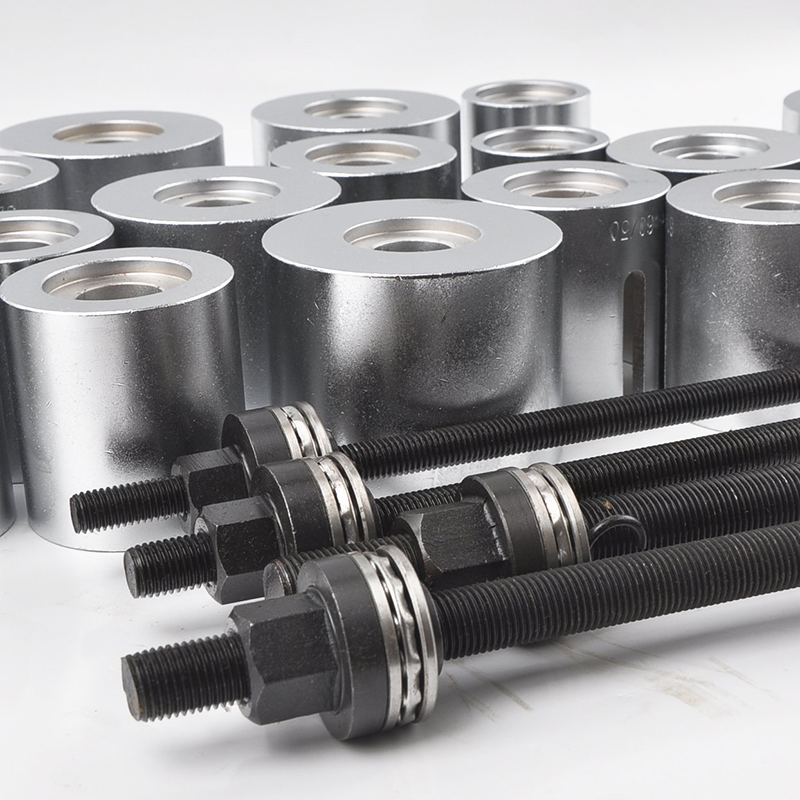
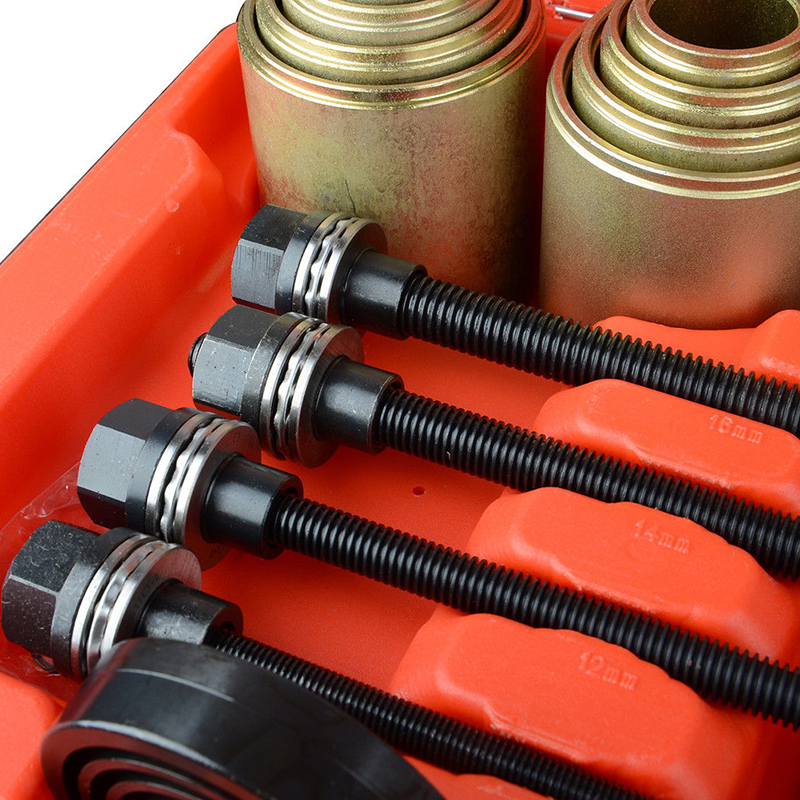
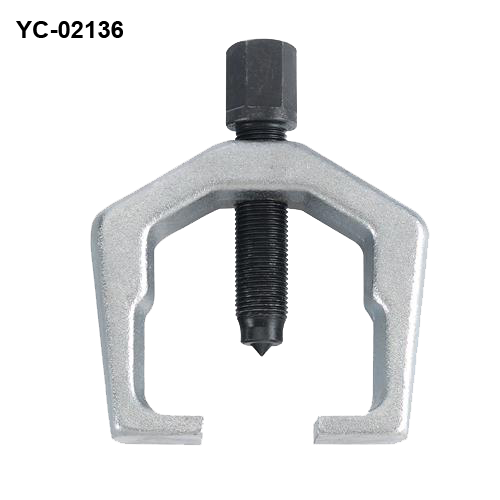
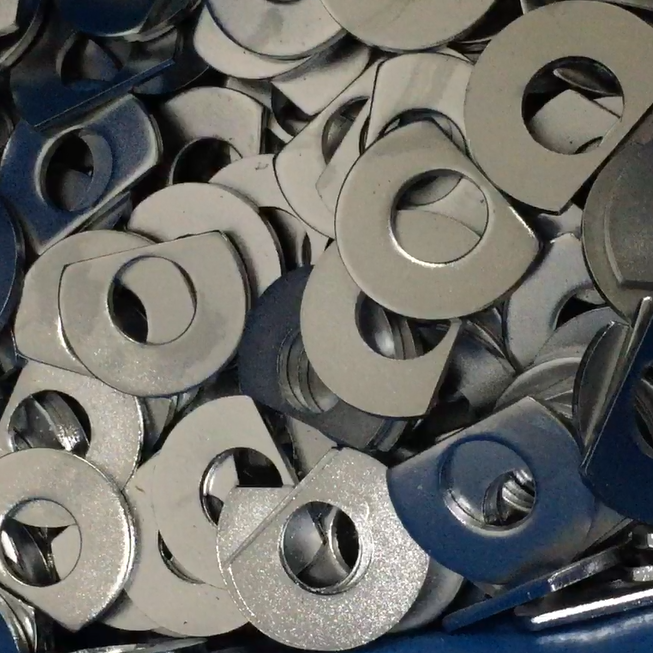
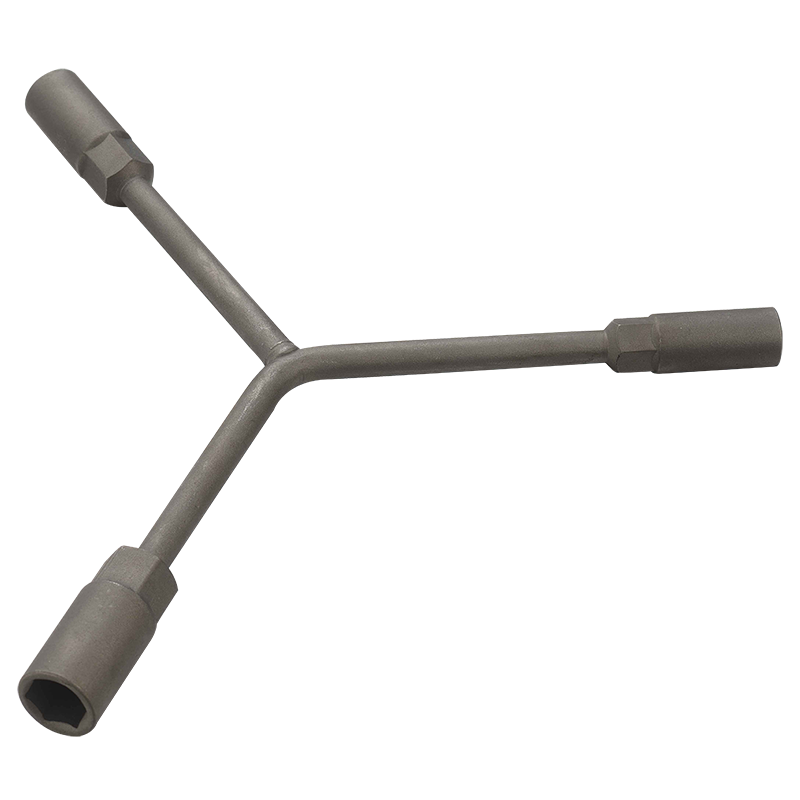
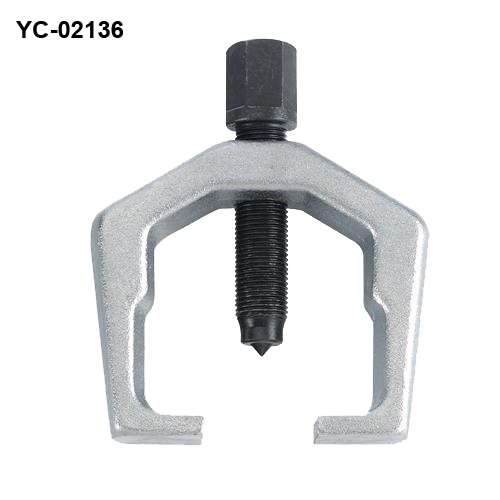
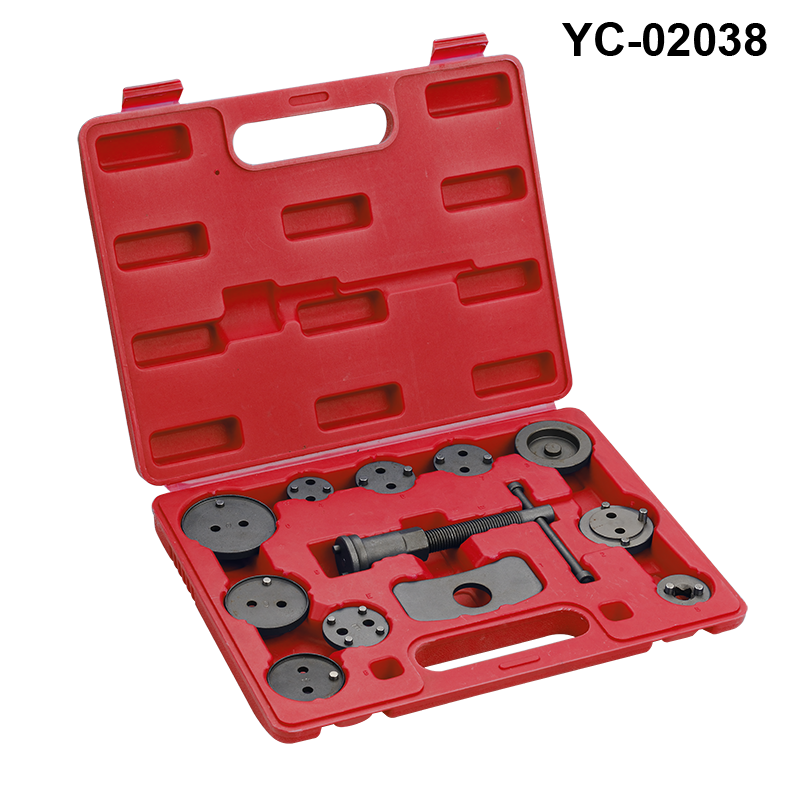
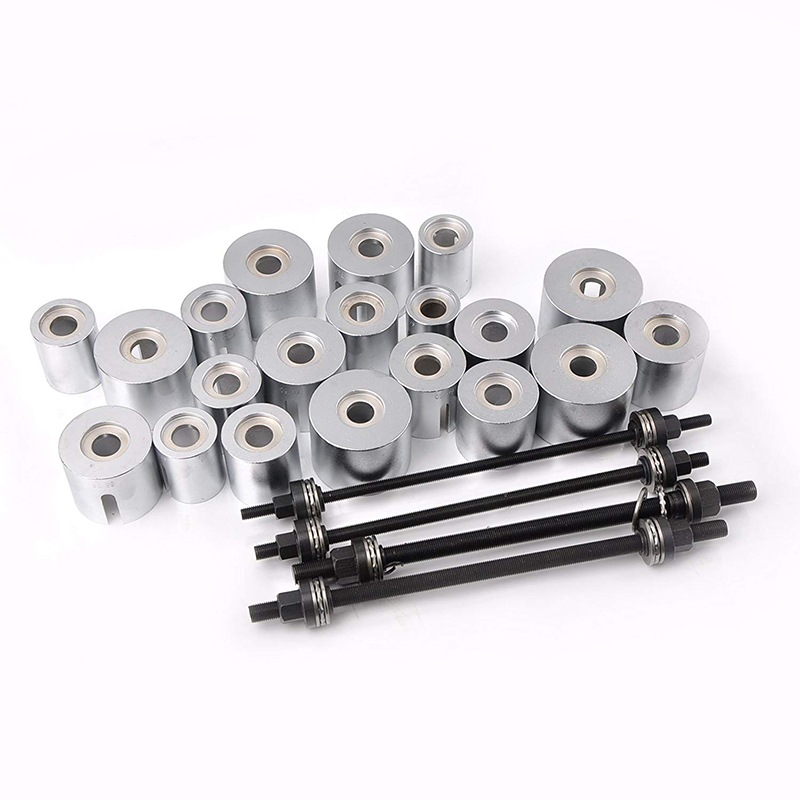
Auto Repair Tools
Source high-quality Auto Repair Tools from vetted suppliers and manufacturers across Asia. Designed for automotive tool distributors, importers, and brands seeking reliable wholesale or OEM/ODM production, our network delivers professional-grade equipment built to exact torque and metallurgical specifications.
Sourcing auto repair tools at volume requires navigating a complex landscape of metallurgical standards, forging capabilities, and precision machining. For professional mechanics and automotive technicians, tool failure is not an option. Buyers must ensure that their manufacturing partners can consistently meet stringent torque requirements, dimensional tolerances, and material hardness specifications while maintaining competitive unit costs.
Material Selection and Metallurgy
The core of any durable auto repair tool is its steel composition and subsequent heat treatment. Specifying the wrong material or accepting poor tempering leads to stripped fasteners, shattered sockets, and severe liability.
When establishing your product requirements, you must explicitly define the steel grade and the required Rockwell Hardness (HRC).
| Material Grade | Primary Application | Typical Hardness (HRC) | Toughness Profile |
|---|---|---|---|
| Carbon Steel (45#) | Entry-level/DIY kits | 35-45 | Low - prone to deformation |
| Chrome Vanadium (CR-V) | Professional hand wrenches, ratchets | 45-52 | High balance of hardness and strength |
| Chrome Molybdenum (CR-MO) | Impact sockets, heavy-duty extractors | 40-48 | Maximum toughness to absorb impact shock |
Need to verify a factory's metallurgical testing capabilities before placing a high-volume order? We can evaluate their in-house lab equipment and quality systems.
Talk to our teamManufacturing Process and Quality Control
The transition from raw steel billet to a finished auto repair tool involves drop forging, CNC machining, heat treatment, and surface finishing. Quality is often lost during the heat treatment phase if temperatures are not strictly controlled, resulting in brittle tools that snap under load.
Surface finishing is equally critical. Tools are typically electroplated (chrome or nickel) or black oxide coated to prevent rust in harsh garage environments. Poor plating processes lead to flaking, which looks unprofessional and accelerates corrosion. Implementing rigorous Quality Control & Inspection protocols is essential to catch these defects before the container is loaded.
Critical Inspection Points for Auto Tools
- Torque Yield Testing: Verify tools meet or exceed DIN/ANSI torque specifications without permanent deformation.
- Dimensional Tolerance: Check socket and wrench drive sizes using precision go/no-go gauges.
- Hardness Consistency: Conduct HRC testing across multiple points on the tool to ensure uniform heat treatment.
- Plating Adhesion: Perform cross-hatch adhesion tests to ensure chrome or nickel plating will not flake under stress.
Sourcing Mechanics: MOQs, Lead Times, and Customization
Most established tool manufacturers are concentrated in specific industrial clusters in China (such as Zhejiang and Shandong provinces) and Taiwan. Taiwan is traditionally favored for premium, professional-grade mechanics' tools, while mainland China offers highly competitive pricing for mid-tier and high-volume kits.
If you are building a private-label brand, utilizing OEM/ODM Services allows you to customize handle grips (TPR/PVC), laser-etch logos, and design custom blow-molded cases.
Standardization vs. Custom Molds
Creating custom forging dies for entirely new wrench shapes requires significant upfront investment and extends lead times by 20 to 30 days. Whenever possible, utilize the factory's existing open molds for the steel body and customize the finish, grip, and packaging.
Managing complex tool kits with dozens of components from multiple sub-suppliers? Let us handle the consolidation and supply chain logistics.
Get a free consultationFrequently Asked Questions
Successfully sourcing auto repair tools demands strict oversight of material science and manufacturing precision. By clearly defining your specifications and enforcing rigorous pre-shipment testing, you can build a resilient supply chain that delivers reliable, professional-grade equipment.
Get Sourcing Help for Auto Repair Tools
Tell us your requirements and our experts will connect you with verified manufacturers.