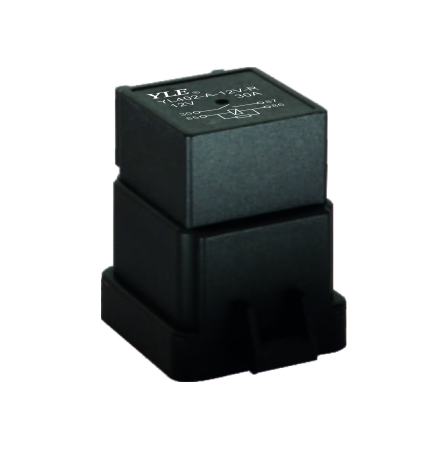
Auto Relays
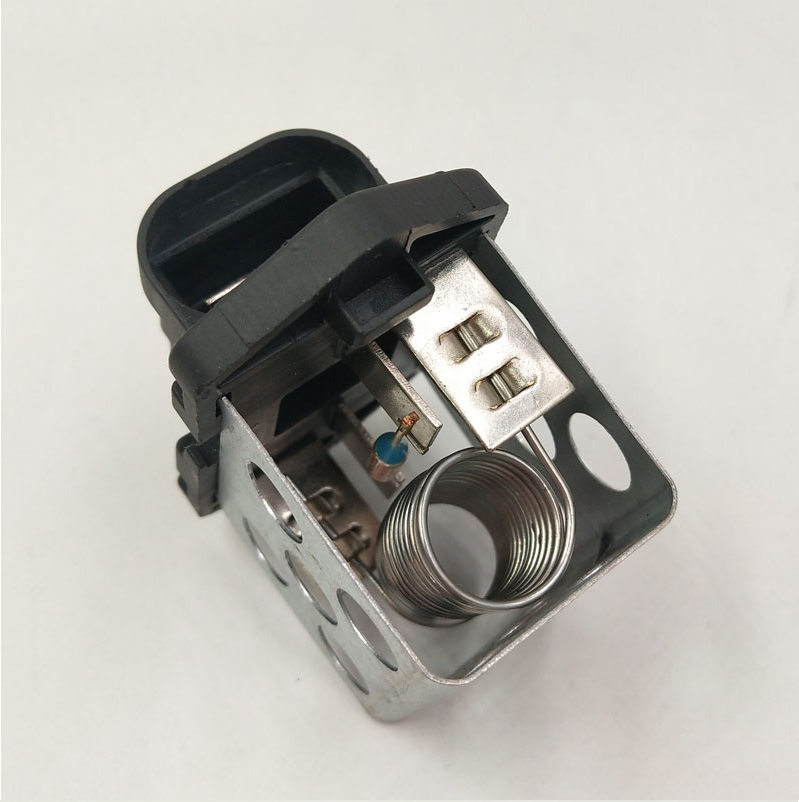
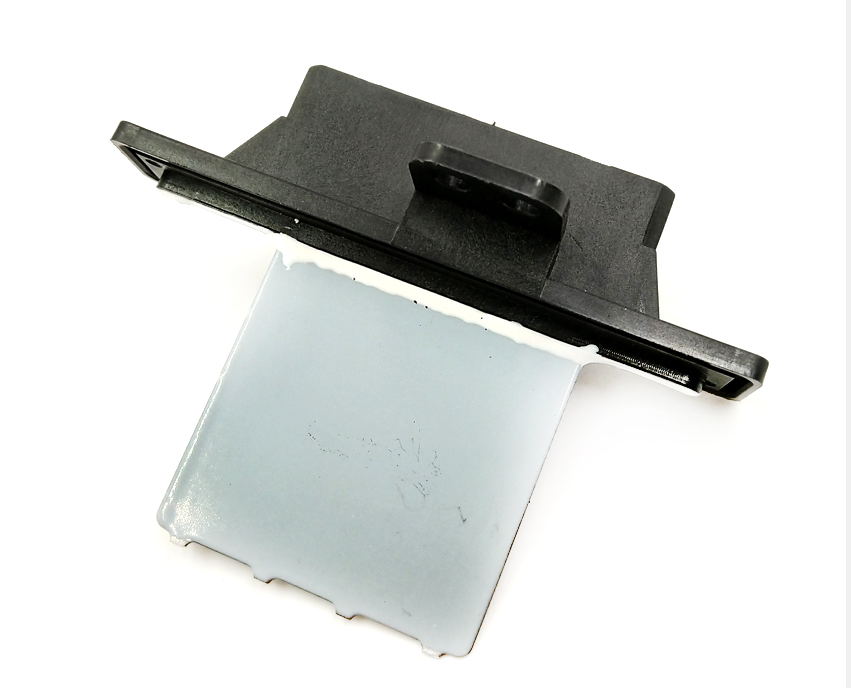
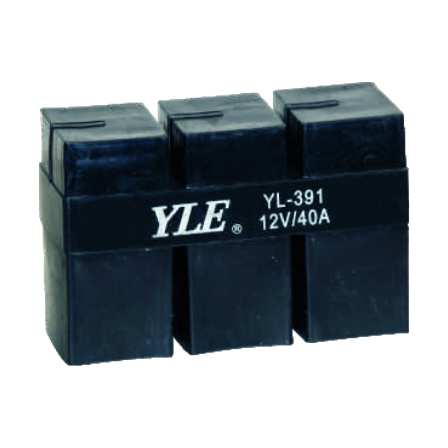
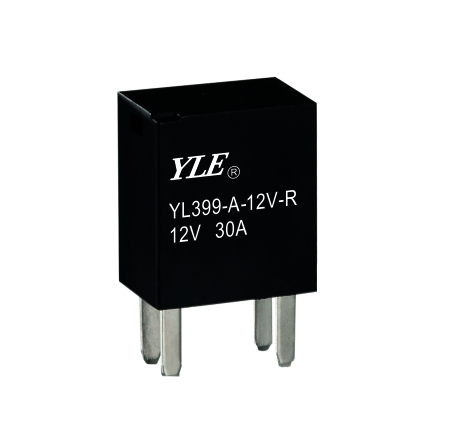
Source high-quality auto relays from vetted manufacturers and wholesale suppliers in China. Designed for importers, automotive distributors, and brands requiring reliable OEM and private-label production, our network delivers bulk automotive electrical components engineered for durability and stringent performance standards.
Sourcing automotive relays at scale requires balancing unit cost with zero-defect reliability. A failed relay means a stalled vehicle or a malfunctioning critical subsystem, making contact material integrity, coil precision, and environmental sealing non-negotiable. When buying in bulk, identifying manufacturers with highly automated production lines and strict adherence to automotive quality management systems is the primary challenge.
Critical Specifications for Bulk Procurement
When negotiating with suppliers or defining your OEM requirements, imprecise specifications will lead to inconsistent batch quality. Professional buyers must dictate the exact parameters for the intended application.
- Contact Material: The core of relay performance. AgSnO2 (Silver Tin Oxide) is the modern automotive standard due to its excellent resistance to material transfer and arc erosion, particularly for high-inrush loads like lamps and motors. AgNi (Silver Nickel) is often used for stable, resistive loads.
- Coil Voltage & Power Consumption: Standard 12VDC for passenger vehicles and 24VDC for commercial trucks. High-sensitivity coils reduce power consumption and heat generation, which is critical in densely packed fuse boxes.
- Sealing and Enclosure: Relays must survive harsh under-hood environments. Specify whether the application requires a flux-proof (dust cover) enclosure or a fully wash-tight (plastic sealed, IP67) construction to prevent moisture and chemical ingress.
| Contact Material | Best For | Key Characteristics |
|---|---|---|
| AgSnO2 | Motors, Lamps, High Inrush | High resistance to arc erosion and welding; RoHS compliant. |
| AgNi | Resistive Loads, Signals | Stable contact resistance; lower cost but prone to welding under high inrush. |
| AgCdO | Legacy Replacements | Good overall performance, but being phased out due to Cadmium (non-RoHS). |
Manufacturing Tolerances & Quality Control
The reliability of an auto relay is determined on the factory floor. The most common defects—such as premature coil failure or contact welding—stem from manual assembly inconsistencies or poor material purity. Leading manufacturers utilize fully automated lines for coil winding, contact riveting, and terminal calibration.
When evaluating a factory's production capabilities, it is essential to look beyond the showroom and examine their in-line quality checks. If you cannot be on the ground, utilizing professional Factory Audits ensures the supplier actually possesses the automated infrastructure they claim.
Critical Factory Floor Checks
- Automated coil winding machines with active tension control to prevent wire stretching.
- In-line automated optical inspection (AOI) for contact alignment and riveting integrity.
- Vacuum potting processes for sealed relays to eliminate trapped air bubbles.
- 100% end-of-line electrical testing (pull-in/drop-out voltage, contact resistance).
Need to verify a relay manufacturer's production capabilities and quality management systems? We can manage the vetting process.
Talk to our teamAutomotive Standards and Compliance
Automotive electrical components operate under strict regulatory and safety frameworks. A supplier must be IATF 16949 certified; ISO 9001 alone is insufficient for automotive applications.
Furthermore, batches should undergo rigorous environmental and mechanical testing. This includes thermal shock testing (cycling from -40°C to +125°C), vibration resistance testing, and electrical endurance testing (typically requiring a minimum of 100,000 operations at the rated load). Implementing third-party Compliance & Testing prior to shipment guarantees that the relays meet international standards and your specific performance criteria.
Buying Mechanics: MOQs, Pricing, and Lead Times
Pricing for auto relays is heavily influenced by global commodities, specifically the spot prices of copper (for coils and terminals) and silver (for contacts).
For off-the-shelf, unbranded relays, suppliers may accept MOQs as low as 1,000 to 2,000 units. However, for private-label production or custom pin configurations, expect MOQs to start at 10,000 units to justify the machine setup time. Engaging a partner for comprehensive Product Sourcing can help negotiate favorable terms and stabilize pricing against raw material fluctuations.
Looking to negotiate better pricing and terms for bulk automotive relays? Let us manage your supplier relationships and procurement strategy.
Get a free consultationFrequently Asked Questions
Successfully sourcing auto relays requires looking past the unit price and scrutinizing the manufacturer's automation, material sourcing, and quality control rigor. Partnering with experienced sourcing professionals ensures your supply chain remains resilient and your products perform flawlessly in the field.
Get Sourcing Help for Auto Relays
Tell us your requirements and our experts will connect you with verified manufacturers.