Auto Drive Systems
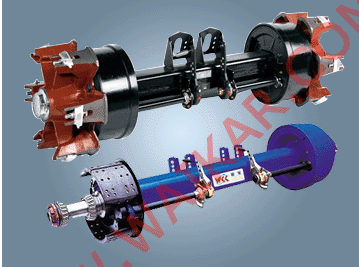
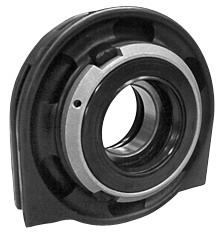
Source high-performance auto drive systems from vetted manufacturers and wholesale suppliers across Asia. Designed for automotive importers, distributors, and brands seeking reliable OEM production, our network delivers precision-engineered drivetrain components that meet stringent international performance standards.
Automotive drive systems operate under immense stress, transferring engine torque to the wheels while absorbing shock loads, vibration, and thermal expansion. Sourcing these assemblies in bulk requires strict adherence to metallurgical standards and machining tolerances. A minor deviation in gear runout, spline engagement, or case hardening depth can lead to premature wear or catastrophic failure in the field. Succeeding in this category means moving beyond basic dimensional checks and verifying the factory's raw material sourcing, heat treatment capabilities, and dynamic balancing procedures.
Critical Specifications for Drive System Procurement
When engaging with manufacturers, your technical data pack (TDP) must be exhaustive. Relying on generic part numbers or visual references will result in inconsistent batches. Professional buyers must define the exact metallurgical and mechanical properties expected.
Key variables to define in your purchase orders include:
- Material Grade & Origin: Specify exact steel grades (e.g., 4340 Chromoly, 20CrMnTi) and require material test reports (MTRs) from the steel mill.
- Heat Treatment Depth: Specify the effective case depth (ECD) for carburized parts. Surface hardness is useless if the core is too brittle to absorb shock.
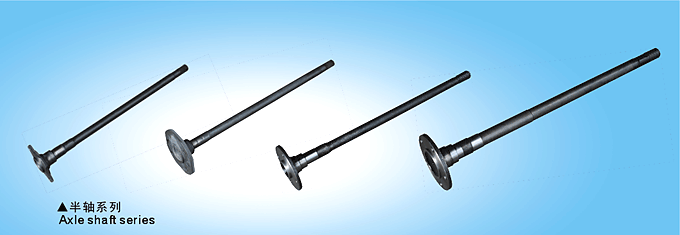
- Dynamic Balancing: For rotating assemblies like driveshafts, specify the balancing grade (e.g., ISO 1940 G16 or better) and the RPM at which the test must be conducted.
Navigating metallurgical specs and factory capabilities is complex. Let our engineering-focused sourcing team match your exact drive system requirements with vetted, capable manufacturers.
Talk to our teamManufacturing Processes and Quality Control
The quality of an auto drive system is won or lost during the forging, machining, and heat-treating stages. Many factories outsource their heat treatment, which introduces a significant risk factor into your supply chain. It is crucial to verify whether the supplier controls this process in-house or uses a certified third-party facility.
To ensure consistent production, robust Quality Control & Inspection protocols must be implemented directly on the factory floor.
Essential Quality Control Checkpoints
- Ultrasonic testing of raw forgings to detect internal voids or inclusions.
- Coordinate Measuring Machine (CMM) verification of gear tooth profiles and spline pitch.
- Magnetic particle inspection (MPI) post-heat treatment to identify micro-cracking.
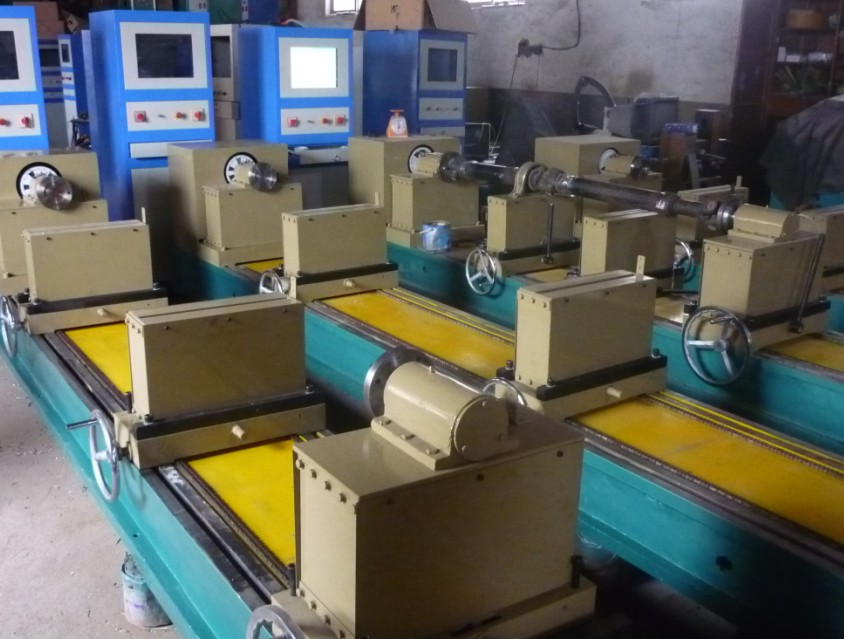
- Torsional fatigue testing on sample batches to verify ultimate yield strength.
- Dynamic balancing reports for all assembled driveshafts prior to packaging.
OEM vs. Aftermarket Production Standards
Factories generally cater to two different tiers of the market. Understanding which tier a factory specializes in will dictate their pricing, tooling costs, and internal quality management systems.
| Requirement | OEM / Tier 1 Standard | Aftermarket Replacement |
|---|---|---|
| Quality System | Strict IATF 16949 certification required | ISO 9001 typically sufficient |
| Material Tracing | Full lot traceability to raw steel billet | Batch-level traceability |
| Tooling & Molds | Custom tooling owned by the buyer | Shared open molds often utilized |
For buyers developing proprietary drivetrain components, utilizing specialized OEM/ODM Services ensures that your intellectual property is protected and that the factory has the engineering bandwidth to handle custom spline counts, unique lengths, or specialized alloy requests.
Supplier Vetting: The Importance of IATF 16949
In the automotive sector, ISO 9001 is the bare minimum. Serious importers should restrict their sourcing to factories holding IATF 16949 certification. This standard mandates rigorous defect prevention, variation reduction, and waste management in the automotive supply chain.
However, a certificate on a wall does not guarantee compliance. Conducting comprehensive Factory Audits is essential to verify that the factory actually implements Advanced Product Quality Planning (APQP) and Production Part Approval Process (PPAP) methodologies for your specific production run.
Typical MOQs, Pricing, and Lead Times
Drive systems are capital-intensive to produce. Minimum Order Quantities (MOQs) and lead times are heavily influenced by whether you are buying off-the-shelf aftermarket replacements or commissioning custom-forged components.
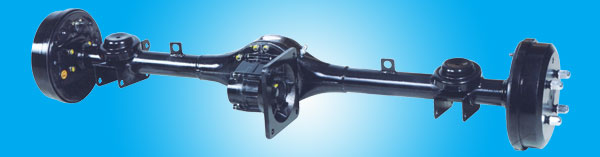
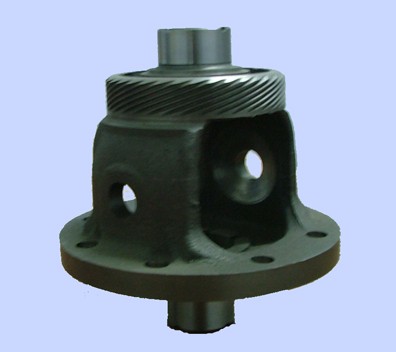
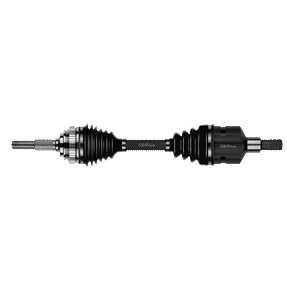
- MOQs: Standard aftermarket CV axles or driveshafts often require MOQs of 100 to 300 units per SKU. Custom-forged or cast differential housings may require MOQs of 500+ units to justify the setup and tooling costs.
- Tooling Costs: For custom OEM projects, expect tooling and mold fees ranging from a few thousand dollars for simple splined shafts to tens of thousands for complex cast housings.
- Lead Times: Initial production runs, including PPAP approval and tooling creation, typically take 60 to 90 days. Repeat orders for established SKUs generally average 35 to 50 days, excluding ocean transit.
Need to negotiate favorable MOQs or verify a supplier's IATF 16949 standing? Our local sourcing experts can manage the entire procurement cycle on your behalf.
Get a free consultationFrequently Asked Questions
Sourcing auto drive systems requires a rigorous approach to technical specifications and quality assurance. By demanding transparency in metallurgy, enforcing strict runout tolerances, and verifying supplier certifications through on-site audits, you can secure reliable drivetrain components that protect your brand's reputation in the market.
Get Sourcing Help for Auto Drive Systems
Tell us your requirements and our experts will connect you with verified manufacturers.