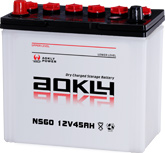
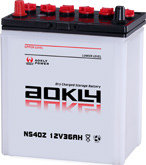
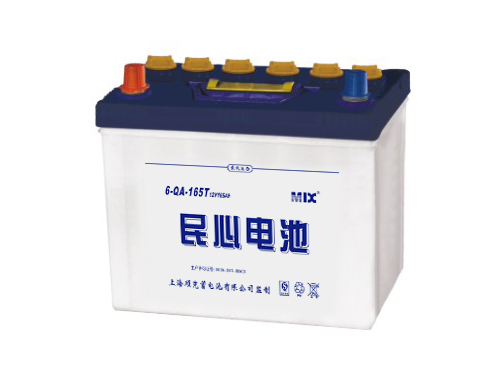
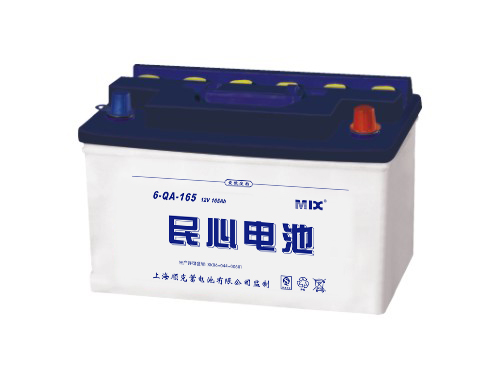
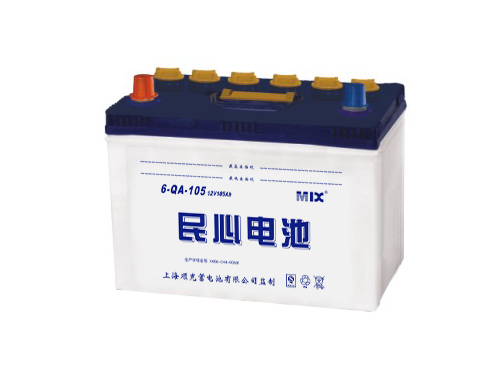
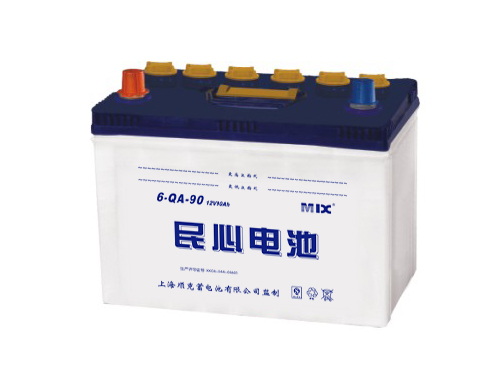
Auto Batteries
Source high-performance Auto Batteries from vetted suppliers and manufacturers across Asia. Designed for automotive distributors, importers, and brands requiring reliable wholesale volumes or custom OEM/private-label production. Secure competitive pricing and certified quality for your supply chain.
Sourcing automotive batteries at scale requires balancing heavy-duty performance specifications with stringent hazardous-goods shipping regulations. Because auto batteries are high-liability, heavy-freight components, failure rates directly impact brand reputation and warranty costs. Securing reliable bulk supply means navigating volatile lead commodity prices, strict manufacturing tolerances, and complex international logistics.
Core Specifications for Bulk Procurement
When negotiating with battery manufacturers, vague requirements lead to inconsistent production. Professional buyers must specify exact performance metrics tailored to the target market's climate and vehicle park.
Critical Battery Specifications
- Cold Cranking Amps (CCA): Must be tested at -18°C (0°F) for 30 seconds while maintaining at least 7.2V. Specify the exact testing standard (SAE, EN, DIN, or JIS).
- Reserve Capacity (RC): The time in minutes a fully charged battery can deliver 25A at 26.7°C before dropping below 10.5V.
- Ampere-Hour (Ah) Rating: Specify the 20-hour rate (C20) capacity, crucial for modern vehicles with heavy electrical loads.
- Internal Resistance: Lower resistance indicates better starting power and overall battery health. Specify maximum milliohm (mΩ) tolerances.
- Terminal Types & Layout: Standard SAE posts, JIS pencils, or side terminals, along with exact polarity configurations (e.g., Right Positive vs Left Positive).
Need help qualifying battery manufacturers? Merhein can verify factory capabilities and technical compliance before you place an order.
Talk to our teamManufacturing Processes and Quality Control
The lifespan and reliability of a lead-acid or AGM battery are dictated on the factory floor. Variations in grid casting and paste formulation are the primary culprits for premature failure. Implementing rigorous Quality Control & Inspection during production is essential.
Grid Casting & Expanded Metal
Premium factories use continuous expanded metal or stamped grid technology rather than traditional gravity casting. This reduces corrosion and improves conductivity.
Paste Mixing & Application
The density of the active material (lead oxide paste) determines capacity. Inconsistent moisture or temperature during mixing leads to paste shedding and early battery death.
Curing and Drying
Plates must cure in climate-controlled chambers to form tetrabasic lead sulfate (4BS) crystals. Rushing this 48-to-72-hour process severely degrades battery cycle life.
Acid Filling & Formation
The formation charge must be carefully temperature-controlled. Overheating during formation warps plates and damages separators.
Compliance and Hazardous Freight Logistics
Auto batteries are heavily regulated. Flooded lead-acid batteries are classified as Class 8 Corrosive Hazardous Materials under UN2794, while AGM and Gel batteries fall under UN2800.
Your supplier must provide valid Material Safety Data Sheets (MSDS) and UN38.3 test reports (if applicable to lithium variants) to clear export customs. Partnering with experts in Shipping & Freight ensures proper packing, labeling, and carrier compliance, preventing costly port holds. Additionally, target markets require specific safety and environmental certifications; leverage Compliance & Testing services to verify CE, UL, or regional DOT standards.
Container Weight Limits
Lead-acid batteries are extremely dense. You will "weight out" a shipping container long before you "cube out" (fill the volume). A standard 20-foot container can typically hold between 1,500 and 2,000 batteries depending on the group size, strictly limited by the maximum payload capacity of the shipping line and destination road weight limits.
Pricing, MOQs, and Lead Times
Battery pricing is heavily indexed to the London Metal Exchange (LME) price of lead. Most manufacturers quote prices based on a fixed manufacturing margin plus the floating LME lead cost on the day of production.
Optimize your battery supply chain. Merhein handles supplier negotiation, quality assurance, and hazardous freight logistics from end to end.
Get a free consultationBuyer FAQ
Successfully importing auto batteries requires deep technical vetting and flawless logistics execution. By treating the procurement process as a tightly controlled supply chain rather than a simple transaction, importers can secure high-yield, reliable products that defend their market share.
Get Sourcing Help for Auto Batteries
Tell us your requirements and our experts will connect you with verified manufacturers.