ATV & UTV Wheels
Source premium ATV & UTV wheels directly from vetted manufacturers and suppliers. Designed for importers, distributors, and off-road brands seeking bulk wholesale pricing or custom OEM/ODM production. Secure reliable, high-performance alloy and steel wheel supply chains tailored to your exact specifications.
Sourcing ATV and UTV wheels at scale requires balancing unit cost with uncompromising structural integrity. Whether supplying aftermarket distributors or equipping OEM vehicle assembly lines, buyers must navigate complex specifications—from precise offsets and pitch circle diameters (PCD) to the extreme load ratings demanded by modern, heavy side-by-sides.
Procuring these components from overseas manufacturers introduces risks related to casting porosity, alloy purity, and machining precision. A deep understanding of the manufacturing process is essential to securing a reliable supply chain.
Wheel Construction and Material Selection
The primary driver of both cost and performance is the manufacturing method. While steel wheels remain relevant for agricultural and utility applications, the aftermarket and performance OEM sectors are dominated by aluminum alloys (typically A356.2 aluminum).
| Construction Method | Typical Application | Cost Profile | Structural Characteristics |
|---|---|---|---|
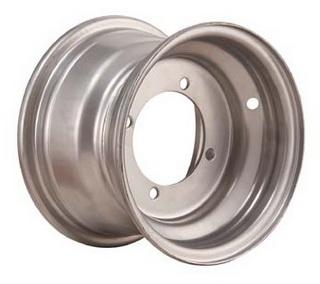
| Spun Steel | Utility ATVs, agricultural use | Low | Heavy, bends under impact (often repairable) |
| Gravity Cast Alloy | Recreational ATVs & lighter UTVs | Medium | Prone to micro-porosity, standard load capacity |
| Low-Pressure Cast | Modern, heavy high-performance UTVs | Medium-High | Denser molecular structure, higher load rating |
| Forged Alloy | Racing, extreme rock crawling | Premium | Maximum strength-to-weight ratio, zero porosity |
For modern UTVs, which frequently exceed 1,500 lbs in dry weight, low-pressure casting is the baseline standard. Gravity casting, while cheaper, often fails to meet the stringent load requirements of high-speed off-road vehicles.
Critical Specifications for Bulk Orders
When approaching a factory, providing a complete technical specification sheet is non-negotiable. Missing details will lead to incorrect tooling or wheels that interfere with brake calipers and suspension components.
Essential Wheel Specifications
- Bolt Pattern / PCD: Accurately specify the layout (e.g., 4/110, 4/156, 4/137).
- Offset and Backspacing: Define the wheel center line (e.g., 4+3, 5+2) to ensure proper track width and clearance.
- Load Rating: Must be certified for the intended vehicle weight (typically 1,000 lbs to 1,500+ lbs per wheel for UTVs).
- Center Bore (CB): Specify the exact diameter to ensure hub-centric or lug-centric fitment.
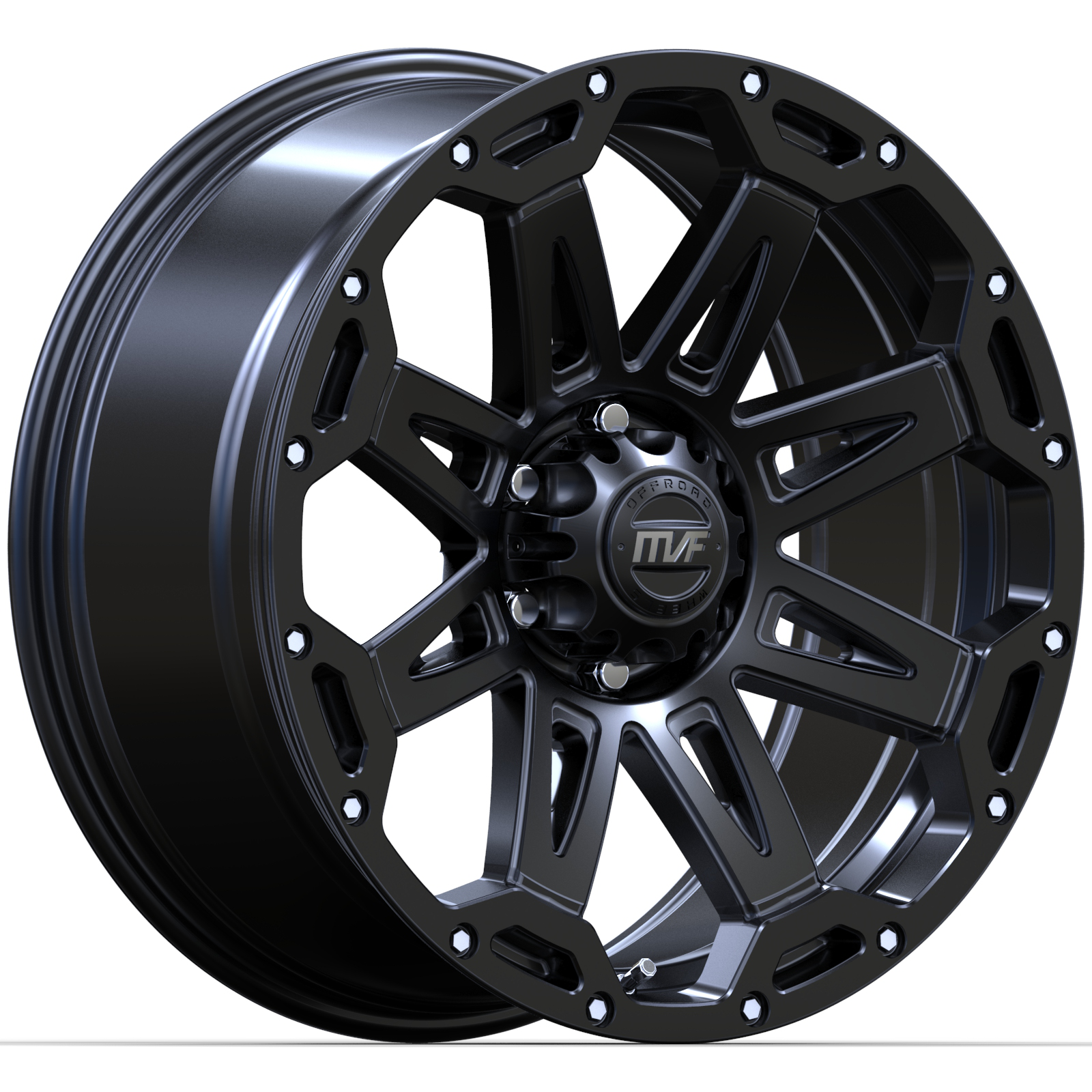
- Beadlock Requirements: Specify if it is a true functional beadlock (requires tapped holes and rings) or a simulated beadlock (machined lip).
Need help verifying a manufacturer's casting capabilities or validating their load testing data? We handle the technical vetting on the ground.
Talk to our teamQuality Control in Wheel Manufacturing
The most significant risk in importing cast aluminum wheels is hidden porosity—microscopic air pockets trapped inside the alloy during the casting process. Porosity compromises structural integrity and can lead to catastrophic failure under impact.
Managing this requires rigorous quality control and inspection protocols at the factory level.
X-Ray Inspection
Ensure the factory uses real-time X-ray imaging on a high percentage of the batch to detect internal casting voids.
Runout Testing
Measure radial and lateral runout. Excessive runout causes vibration and indicates poor machining setup.
Dynamic Load & Impact Testing
Verify the factory performs rotational bending fatigue tests and radial fatigue tests per SAE J2530 or similar standards.
Finish Adhesion
Test powder coating or clear coat thickness and adhesion using cross-hatch testing to ensure resistance to off-road abrasion.
Factory Audits
Verify supplier casting capabilities, X-ray equipment, and quality management systems on-site before you place an order.
Custom Tooling and OEM/ODM Production
If you are developing a proprietary wheel design, you will be engaging in OEM/ODM Services. Developing new tooling (molds) requires a clear understanding of ownership and costs.
A single mold is typically required for every combination of diameter and width. However, different offsets and bolt patterns can often be achieved from the same base casting through secondary CNC machining, provided the back-pad thickness allows for it. Negotiate tooling ownership upfront; if you pay for the mold, ensure you have a signed agreement that the factory cannot use it for other clients.
MOQs, Pricing, and Lead Times
Wheel manufacturing is a volume game. Factories require sufficient quantities to justify mold setup and CNC programming times.
Note: True beadlock wheels carry higher production costs due to the additional raw material for the ring, the extensive CNC drilling and tapping required on the wheel lip, and the inclusion of high-tensile hardware.
Looking to consolidate wheel shipments, negotiate better tooling terms, or secure a reliable OEM partner? Let's discuss your supply chain strategy.
Get a free consultationSuccessfully sourcing ATV and UTV wheels means looking past the aesthetic design and focusing heavily on the manufacturer's metallurgical competence and quality assurance equipment. Partnering with a team that can audit the factory floor and enforce rigorous testing standards is the most effective way to protect your brand and your customers.
Get Sourcing Help for ATV & UTV Wheels
Tell us your requirements and our experts will connect you with verified manufacturers.