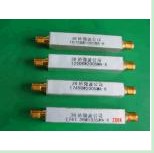
Attenuators
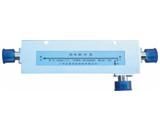
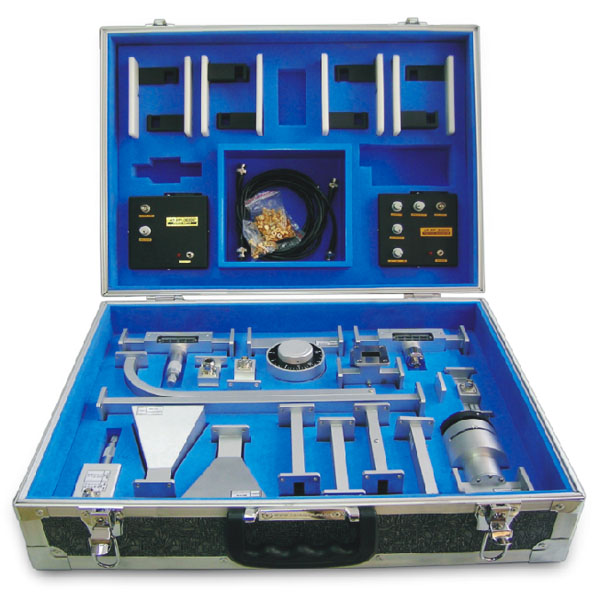
Source high-performance RF and microwave attenuators in bulk from vetted manufacturers and suppliers. Designed for importers, distributors, and electronics brands seeking reliable OEM production, our network delivers precision components engineered for strict signal control and impedance matching.
Sourcing RF and microwave attenuators at volume requires balancing strict electrical performance tolerances with cost-effective manufacturing. Whether you are procuring fixed coaxial attenuators for telecommunications infrastructure or programmable units for test and measurement equipment, inconsistencies in voltage standing wave ratio (VSWR), power dissipation, or frequency response across a production batch can compromise entire system designs.
Securing a reliable supply chain means moving beyond datasheet claims and verifying a factory's actual machining tolerances, resistor deposition processes, and end-of-line RF testing capabilities.
Critical Specifications for Bulk Procurement
When negotiating with manufacturers, vague specifications lead to unacceptable batch variations. Attenuators are precision passive components; your RFQ must explicitly define both the nominal performance and the acceptable deviation limits across the entire operating band.
You must also clearly define the power handling requirements. Specify both the average (continuous) power rating and the peak power handling capacity, alongside the maximum operating temperature before derating occurs.
Need help verifying supplier test data and production capabilities?
Talk to our teamManufacturing Tolerances and Quality Control
The performance of an attenuator, particularly at higher frequencies (up to 18GHz, 40GHz, or beyond), is heavily dependent on the mechanical precision of the connector housing and the quality of the resistive element.
| Component | Standard Commercial Grade | High-Reliability / Telecom Grade |
|---|---|---|
| Resistive Element | Thick-film on alumina | Thin-film on aluminum nitride (AlN) or beryllium oxide (BeO) |
| Connector Body | Brass with nickel or tri-metal plating | Passivated stainless steel for durability |
| Center Contact | Brass or phosphor bronze | Beryllium copper (BeCu) with heavy gold plating |
Where quality is most often lost on the factory floor is in the assembly and impedance matching of the center conductor. Slight variations in dielectric seating or center pin depth will cause capacitive or inductive spikes, ruining the VSWR at high frequencies.
To mitigate this, robust Quality Control & Inspection is essential. A qualified factory should perform 100 percent Vector Network Analyzer (VNA) testing on every unit before packaging, rather than relying on batch sampling.
Supplier Vetting and Custom OEM Production
Not all suppliers listing attenuators are true manufacturers; many are trading companies lacking the engineering depth to troubleshoot high-frequency RF issues. When developing custom values, specialized connector interfaces, or specific heat-sink profiles for high-power applications, partnering with a factory that offers true OEM/ODM Services is crucial.
What to look for during factory vetting
- In-house CNC machining capabilities for precise connector housings
- Calibration certificates for their VNAs (e.g., Keysight, Anritsu, Rohde & Schwarz)
- Thermal shock and environmental testing chambers for reliability validation
- Strict raw material traceability, especially for specialized substrates like AlN
Conducting thorough Factory Audits ensures the supplier actually owns the necessary RF test equipment and adheres to ISO 9001 quality management standards, protecting your investment before tooling or mass production begins.
Pricing Drivers, MOQs, and Lead Times
Attenuator pricing is driven primarily by frequency range, power handling, and raw material costs (such as stainless steel and gold plating).
- Low-Power Fixed Attenuators (1W - 5W): Standard SMA or N-type configurations for frequencies up to 6GHz are highly commoditized. MOQs typically range from 500 to 1,000 pieces. Lead times are generally 4 to 6 weeks.
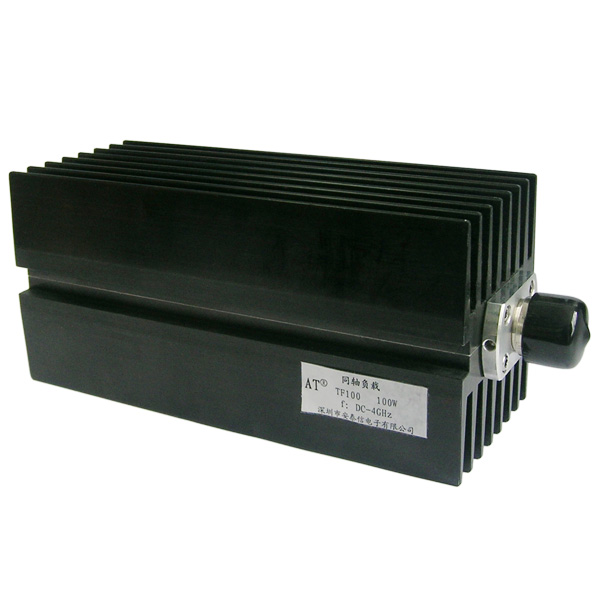
- High-Power Attenuators (50W - 100W+): These require substantial aluminum heatsinks and advanced substrates like aluminum nitride. MOQs are usually lower (50 to 100 pieces), but unit costs are significantly higher. Lead times extend to 6 to 8 weeks due to machining and thermal testing.
- Variable / Step Attenuators: Mechanical complexity and precision assembly push MOQs to 50-100 pieces, with lead times of 8 to 12 weeks for standard models.
Looking for competitive pricing and reliable lead times on bulk RF components?
Get a free consultationFrequently Asked Questions
Successful procurement of RF attenuators relies on strict mechanical tolerances and rigorous end-of-line electrical testing. By partnering with factories that maintain calibrated VNA equipment and precise CNC machining in-house, you ensure consistent signal integrity across your entire supply chain.
Get Sourcing Help for Attenuators
Tell us your requirements and our experts will connect you with verified manufacturers.