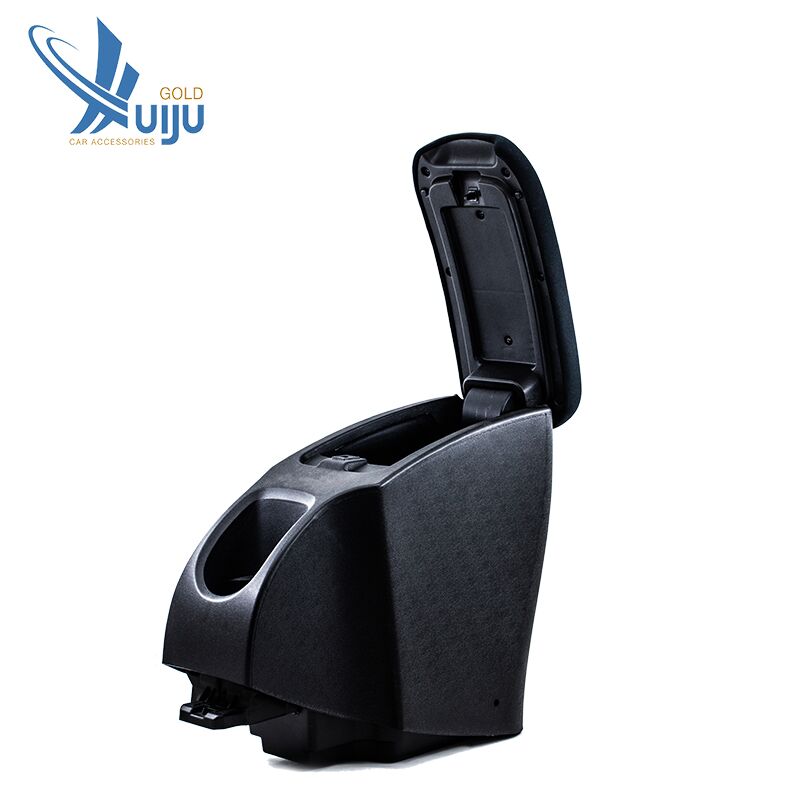
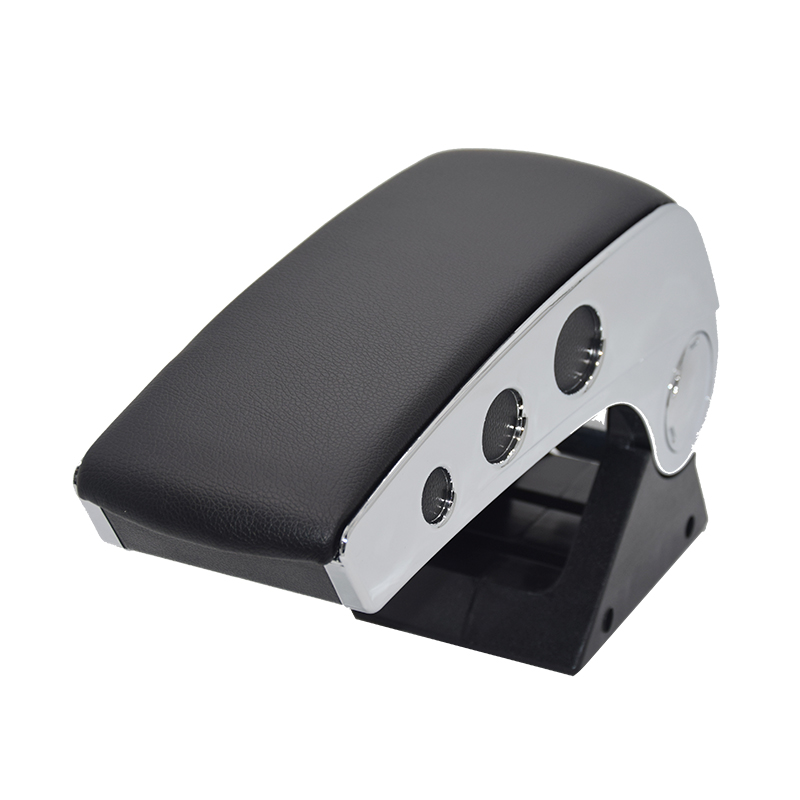
Armrest Boxes
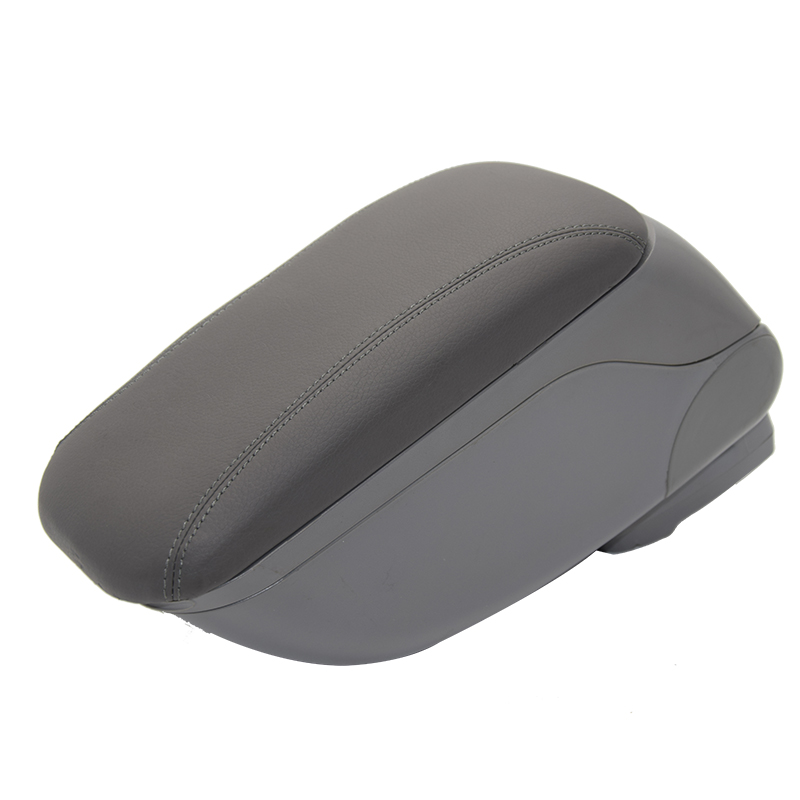
Source premium armrest boxes from vetted suppliers and manufacturers across Asia. Designed for automotive distributors, wholesalers, and aftermarket brands, our network supports bulk imports and custom OEM/private-label production. Secure reliable, high-volume manufacturing for universal and custom-fit interior accessories.
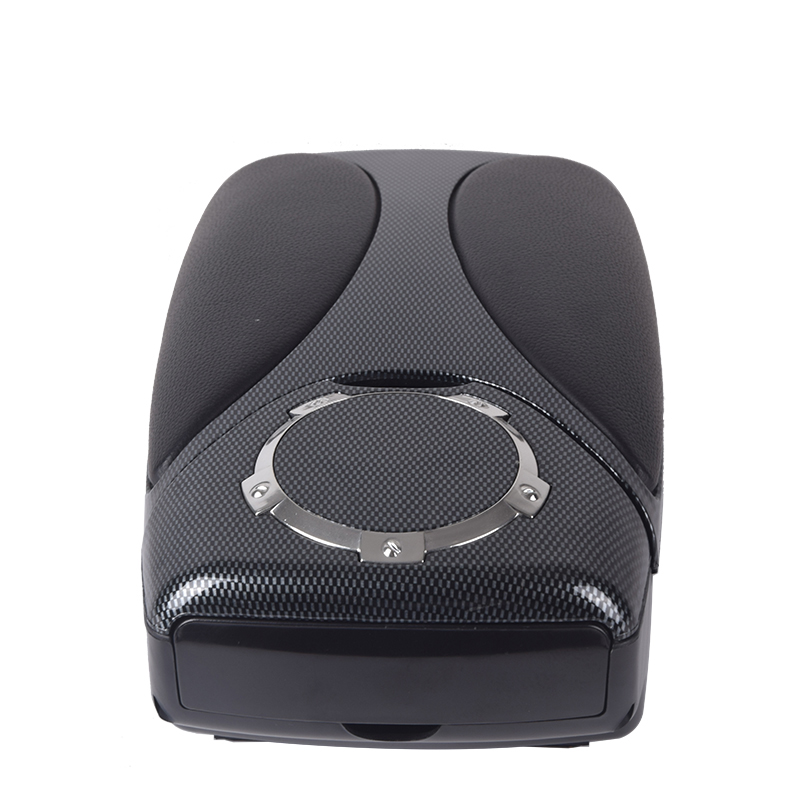
Sourcing automotive armrest boxes at scale requires balancing interior trim aesthetics with mechanical durability and, increasingly, electronic functionality. A successful production run must deliver exact fitment, rattle-free driving experiences, and durable upholstery that withstands daily wear and extreme cabin temperatures. The primary sourcing challenge is identifying manufacturers that possess both high-precision plastic injection molding capabilities and reliable electronics assembly lines for integrated USB and charging components.
Material Specifications and Manufacturing Quality
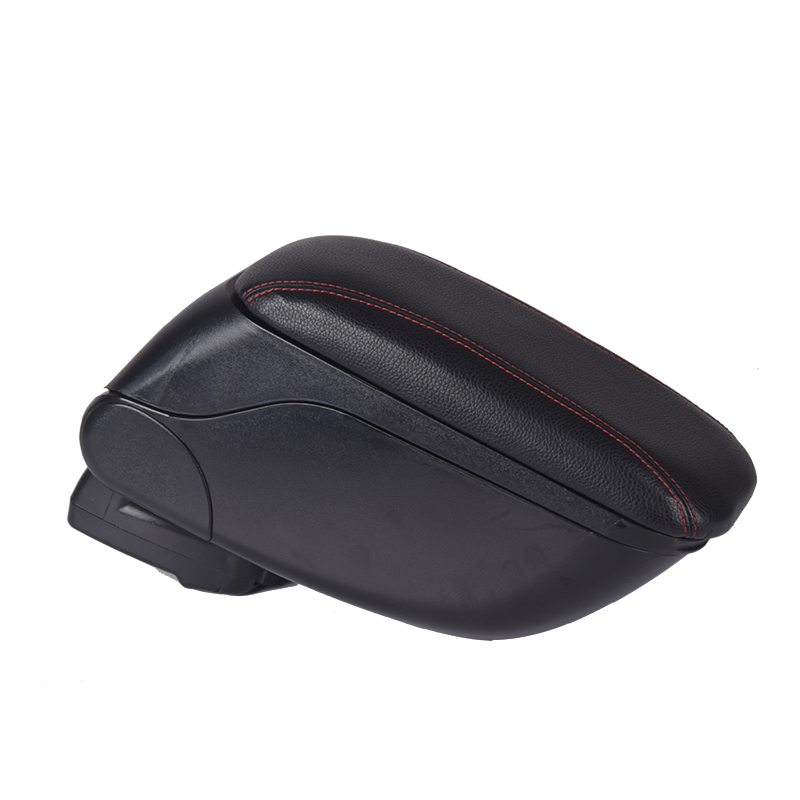
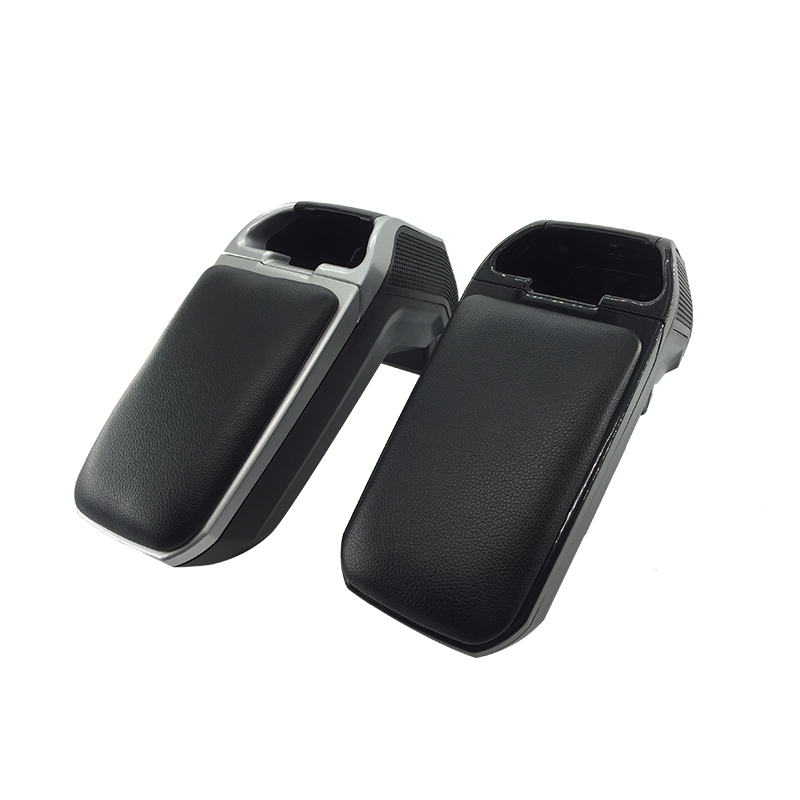
The core of an aftermarket armrest box is its structural housing and the upholstered top pad. Quality is won or lost in the injection molding process and the grade of synthetic leather applied.
- Housing Materials: High-grade ABS (Acrylonitrile Butadiene Styrene) is the industry standard for the main body. Low-cost suppliers often use recycled ABS or blend it with cheaper polymers, which leads to brittle housings that crack under pressure or warp in high-heat environments.
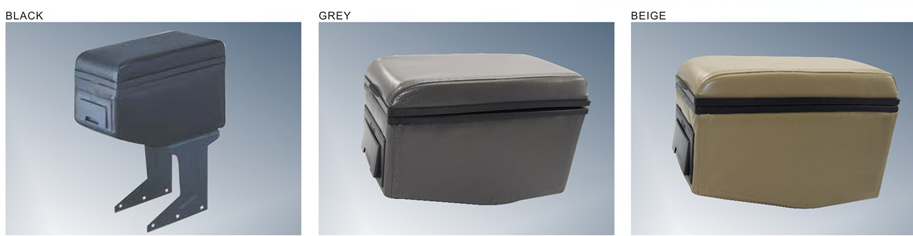
- Upholstery and Padding: The top cushion typically utilizes PU (Polyurethane) leather or microfiber leather over high-density memory foam. Microfiber offers superior resistance to peeling and UV degradation compared to standard PU.
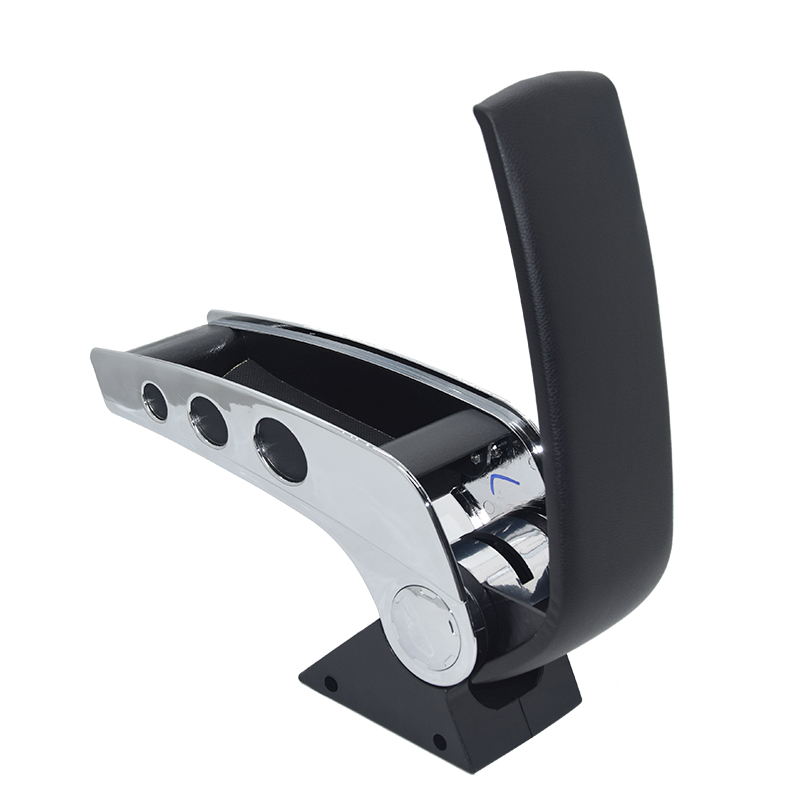
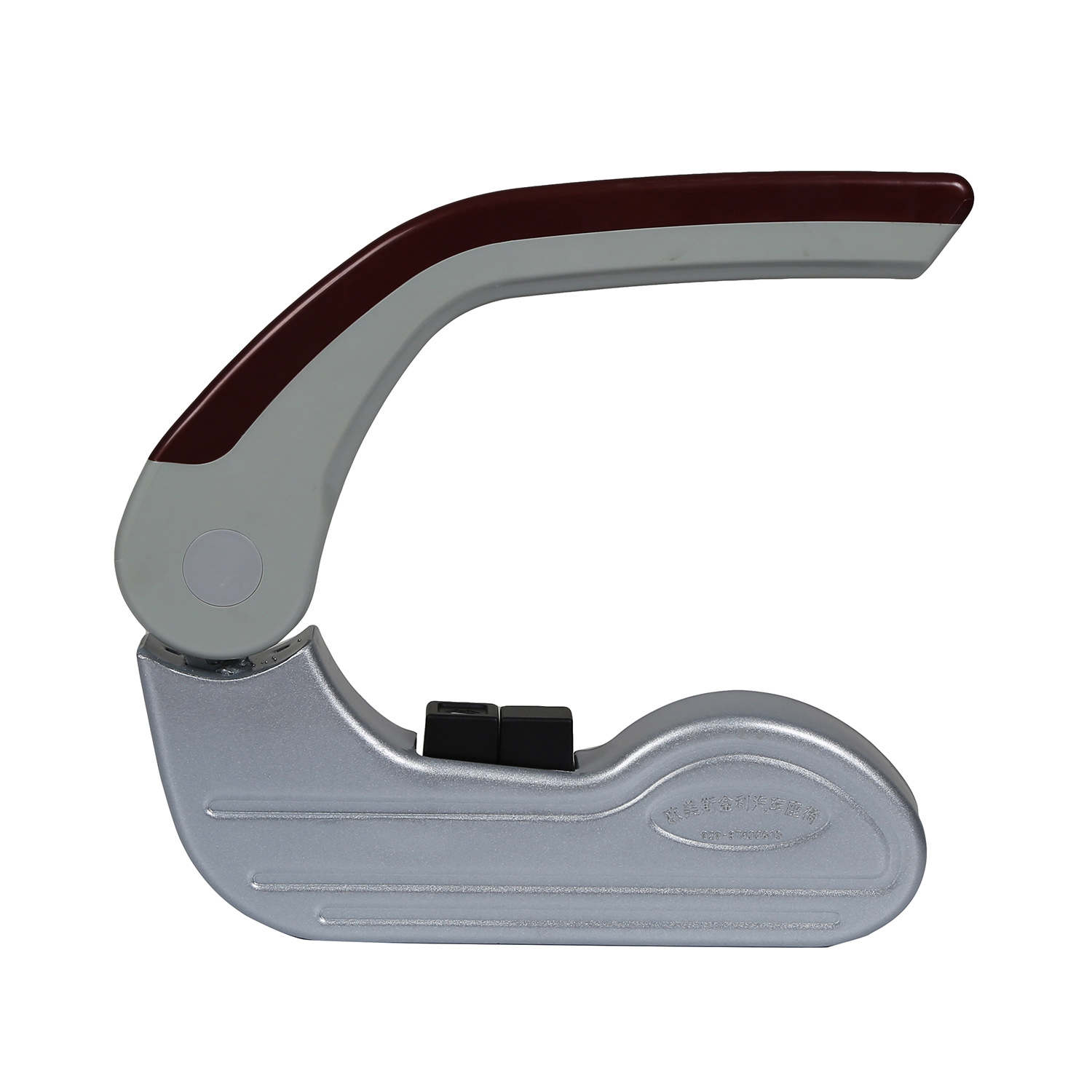
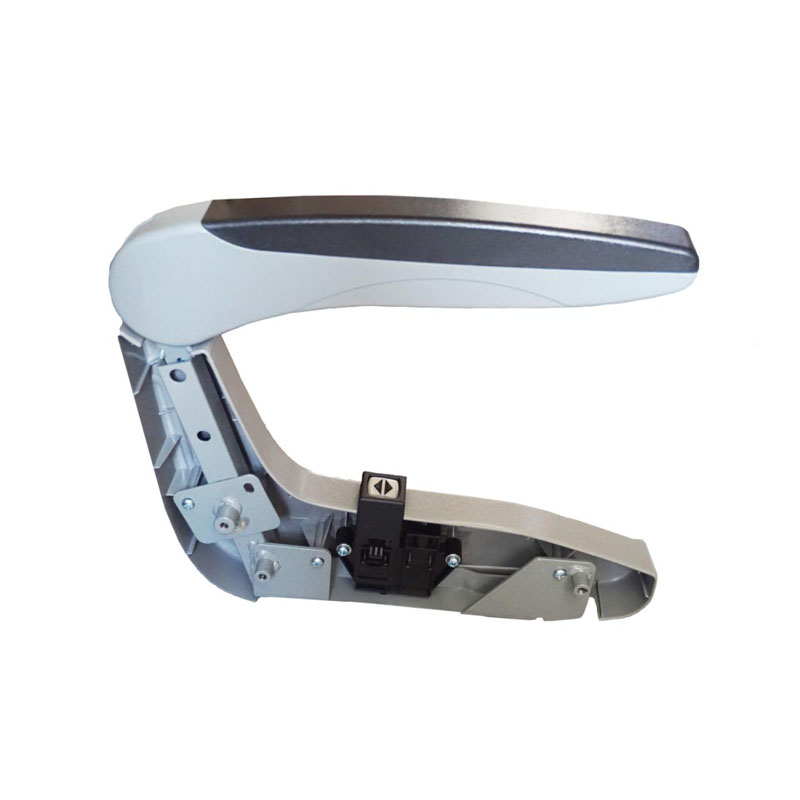
- Hinge Mechanisms: The sliding or lifting hinge is the most frequent point of mechanical failure. Premium units utilize reinforced metal hinges with dampened springs, whereas budget units rely on plastic hinges that snap after a few thousand cycles.
Struggling with inconsistent injection molding or peeling upholstery? Let us connect you with vetted automotive trim manufacturers.
Talk to our teamFitment Types and Electronic Integration
When developing a product line, buyers must choose between universal designs and model-specific units. Furthermore, the integration of power delivery adds a layer of compliance and safety requirements.
| Design Strategy | Tooling Costs | Market Reach | Fitment Stability |
|---|---|---|---|
| Universal Fit (Adjustable) | Low | Broad (Multiple Vehicles) | Moderate (Prone to rattling) |
| Model-Specific (Direct Fit) | High (Custom Molds) | Targeted (Specific Chassis) | High (OEM-like integration) |
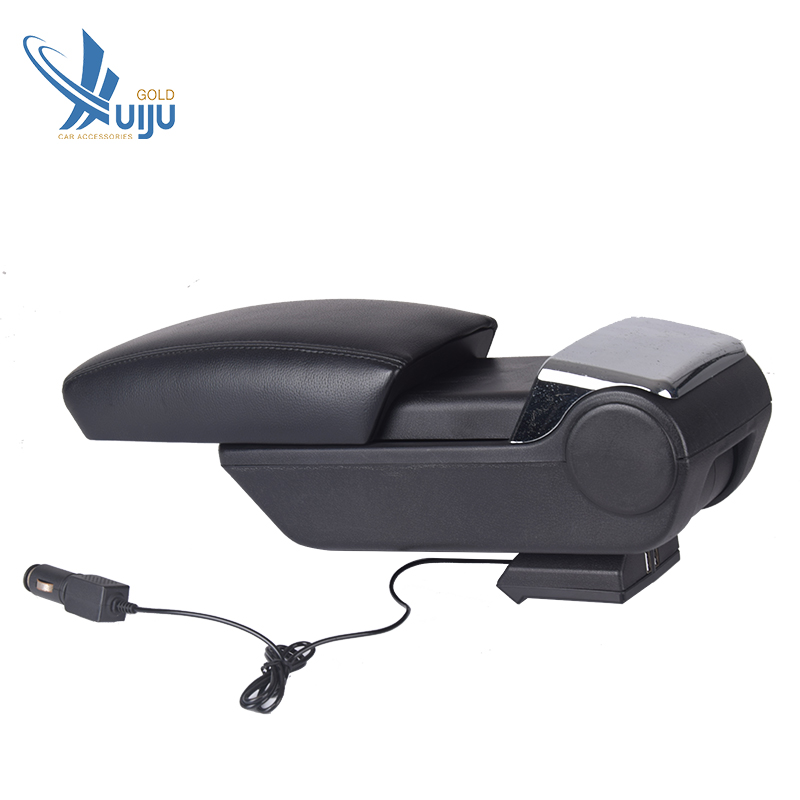
For units featuring USB hubs or wireless charging pads, electrical safety is paramount. Ensure your supplier uses step-down converters (typically 12V/24V to 5V) with built-in overcurrent and short-circuit protection. Poorly insulated wiring or cheap PCB components can lead to overheating, presenting a severe safety risk. Verifying these electronic standards often requires rigorous factory audits to ensure the supplier has proper testing equipment on site, rather than outsourcing PCB assembly blindly.
Quality Control and Defect Prevention
Because armrest boxes are highly visible interior components, cosmetic defects are unacceptable. However, functional defects are what drive costly returns. Implementing strict quality control protocols is essential before the container is sealed.
Critical Pre-Shipment Inspection Checks
- Cycle testing of the hinge and sliding mechanisms (minimum 500 manual cycles during inspection).
- Fitment verification using physical center console jigs for model-specific designs.
- Voltage and load testing of all USB ports to ensure stable 2.4A or QC3.0 output without voltage drops.
- Visual inspection of PU leather stitching for fraying, asymmetry, or weak adhesive bonding.
- Shake testing to identify loose internal components or rattling structural joints.
Typical MOQs, Pricing, and Lead Times
Production minimums and costs vary significantly based on whether you are purchasing off-the-shelf designs or investing in custom molds.
If you are expanding an aftermarket brand, OEM/ODM services allow you to customize the upholstery stitching color, integrate proprietary wireless charging modules, and mold your logo directly into the ABS housing. Tooling costs for model-specific bases can range from a few thousand dollars to significantly more, depending on the complexity of the cup-holder mounting interface.
Need to develop a custom armrest box for a new vehicle platform? Our engineers can manage the tooling and prototyping process.
Get a free consultationFrequently Asked Questions
Successfully sourcing armrest boxes means looking past the surface aesthetics to evaluate a factory's structural engineering and electronic assembly standards. By partnering with manufacturers who understand automotive-grade tolerances, you can deliver an accessory that feels like a natural extension of the vehicle's interior.
Get Sourcing Help for Armrest Boxes
Tell us your requirements and our experts will connect you with verified manufacturers.