AOI Systems
Source advanced AOI Systems directly from vetted manufacturers and suppliers. Designed for importers, distributors, and electronics production brands looking for reliable OEM or private-label solutions, our network provides bulk access to high-precision automated optical inspection equipment.
Sourcing Automated Optical Inspection (AOI) systems for electronics manufacturing lines requires balancing capital expenditure against defect escape rates. The primary challenge isn't just finding a machine equipped with high-resolution cameras; it is identifying a manufacturer whose software algorithms minimize false calls without missing critical solder joint defects. For distributors and integrators, securing reliable equipment with robust after-sales support and mature software is the difference between a successful deployment and a costly line stoppage.
Core Specifications: Defining Your Requirements
The shift from standard SMT (Surface Mount Technology) inspection to high-density, miniaturized component inspection (like 01005 or 0201 metric packages) dictates the hardware specifications you must demand from your supplier.
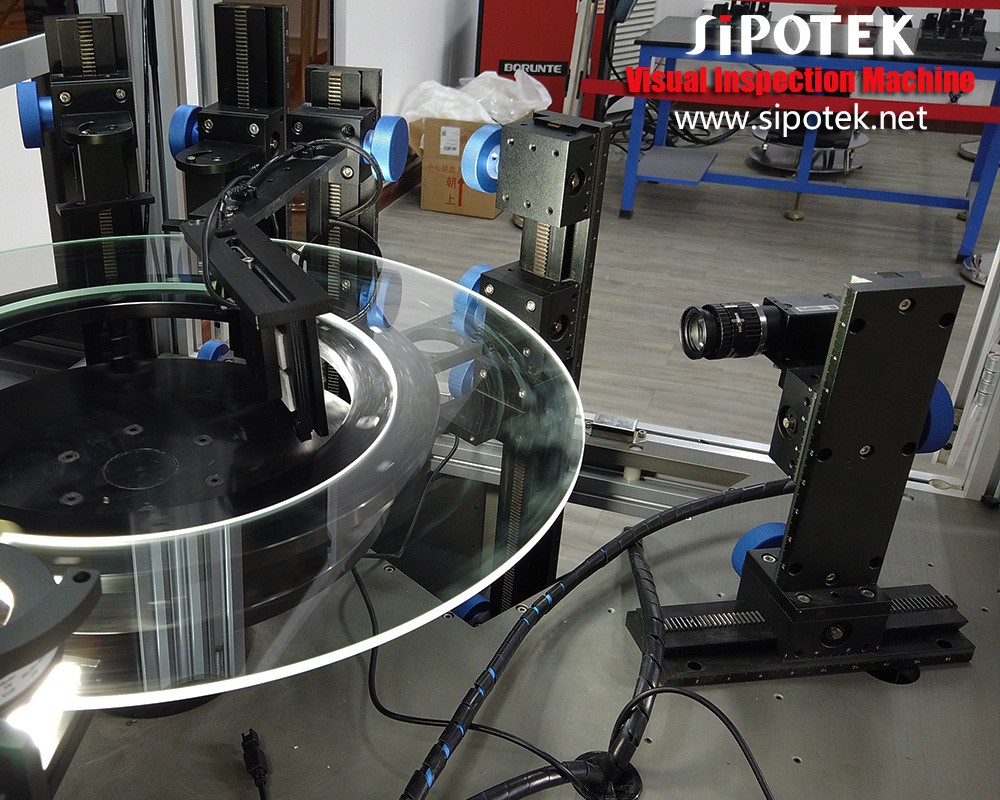
When evaluating suppliers, pay close attention to optical resolution (typically measured in microns per pixel, such as 10µm to 15µm) and the lighting array. Multi-angle, multi-color LED lighting (usually RGB or RGBW) is mandatory for extracting topological features from highly reflective solder joints.
| Capability | 2D AOI Systems | 3D AOI Systems |
|---|---|---|
| Primary Application | Presence/absence, polarity, simple shorts | Volumetric measurement, coplanarity, complex fillets |
| Inspection Technology | Top-down pixel contrast analysis | Phase shift moiré interferometry / Fringe projection |
| False Call Rate | Higher (susceptible to PCB warpage and shadow) | Lower (relies on true height data) |
| Cost Bracket | Entry-level to Mid-range | Premium |
Need help matching AOI specifications to your clients' production lines? Our engineering team can help vet supplier capabilities.
Discuss your specsHardware Stability and Manufacturing Quality
The accuracy of an AOI system is heavily dependent on its mechanical stability. Micro-vibrations during the camera gantry's movement can blur images, degrading the algorithm's ability to measure precise fillet slopes.
Leading manufacturers utilize heavy granite bases or cast-iron frames rather than simple welded steel tubing. Furthermore, the motion control system should utilize linear motors with high-precision optical encoders rather than standard ball screws, ensuring repeatable positioning accuracy at high inspection speeds (often exceeding 30 cm² per second).
Because you cannot verify mechanical rigidity or motion control precision from a spec sheet, conducting thorough factory audits is critical before committing to a new equipment supplier.
Factory Acceptance Testing (FAT) Checklist
Before any machine leaves the factory floor, a rigorous FAT must be performed using standardized calibration boards and actual production PCBAs.
Critical FAT Verification Steps
- Verify Gage R&R (Repeatability and Reproducibility) using a known standard (must be under 10%).
- Test inspection speed against the quoted cm²/sec specification using a fully populated board.
- Validate the false call rate (PPM) by running a known-good board batch at least 50 times.
- Check the escape rate by seeding a board with known defects (missing, tombstone, billboard, insufficient solder).
- Confirm CE/UL electrical safety compliance and proper grounding of the machine chassis.
OEM/ODM Customization and Software Maturity
For distributors looking to establish their own equipment brand, many Chinese manufacturers offer comprehensive OEM/ODM services. Hardware white-labeling (custom chassis colors, logos, and industrial design) is standard.
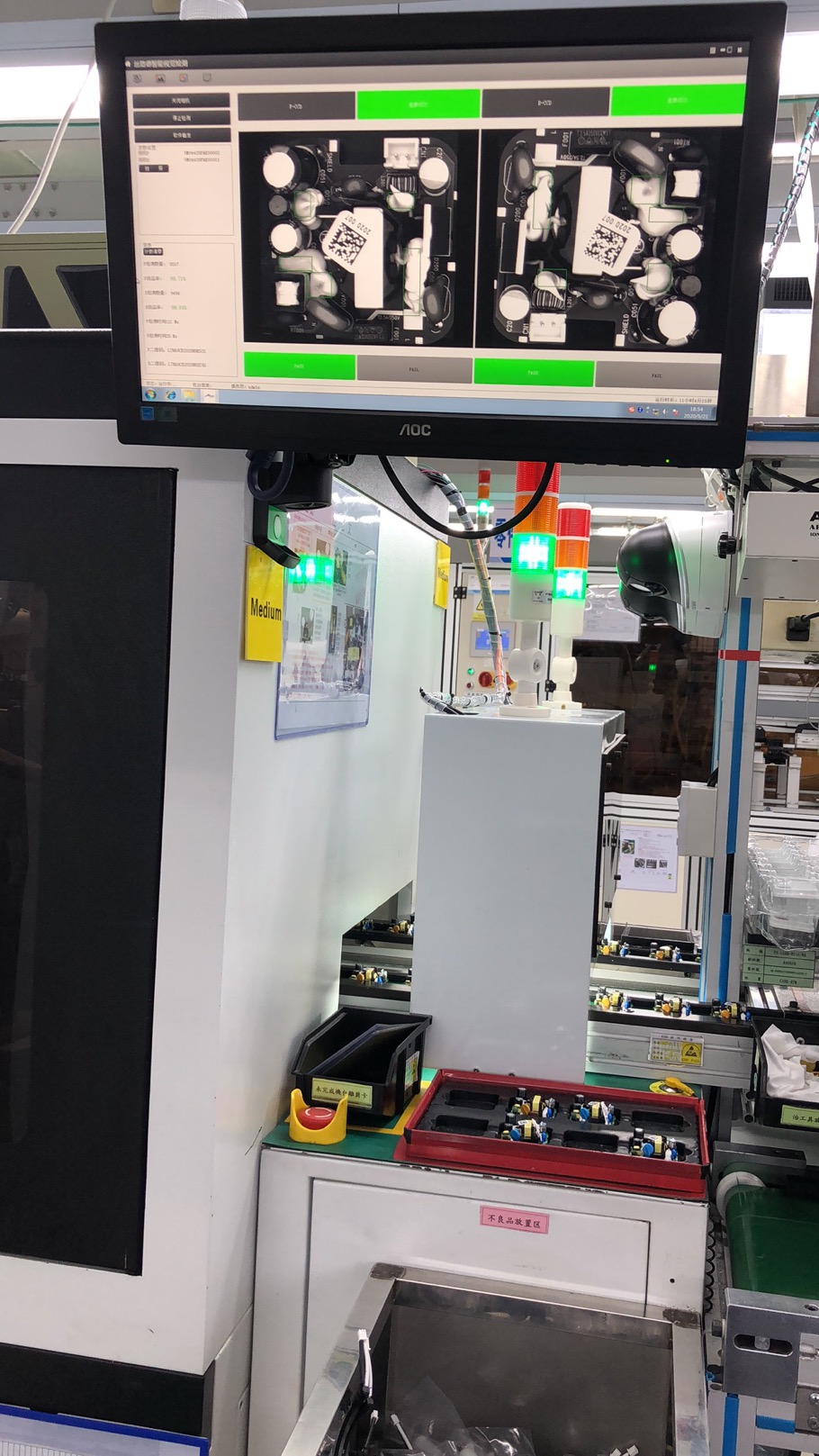
However, the true value lies in the software. Ensure the supplier provides a localized GUI (Graphical User Interface) with accurate translations, offline programming capabilities, and MES (Manufacturing Execution System) integration protocols like SECS/GEM or IPC-CFX. A machine that cannot communicate its defect data to the factory's central server is severely handicapped in modern smart-factory environments.
Pricing, Lead Times, and Logistics
The AOI market spans a wide pricing spectrum based on whether the machine is inline or offline, 2D or 3D, and the sophistication of its projection hardware.
Note: MOQs for industrial machinery like AOI systems are typically 1 unit, though significant discounts apply for multi-line deployments.
Transporting precision optical equipment requires specialized logistics. Machines must be vacuum-sealed, packed with desiccant, and secured in shock-absorbing, export-grade wooden crates. Partnering with experienced shipping and freight forwarders who understand how to handle sensitive, high-value capital equipment prevents misalignment of the optical gantry during transit.
Planning an equipment import? Talk to our team about secure, insured freight forwarding for sensitive machinery.
Get a logistics quoteFrequently Asked Questions
Sourcing AOI systems requires a deep understanding of both optical engineering and SMT production realities. By strictly vetting supplier software maturity and mechanical stability, you can secure equipment that delivers reliable defect detection without bottlenecking the production line.
Get Sourcing Help for AOI Systems
Tell us your requirements and our experts will connect you with verified manufacturers.