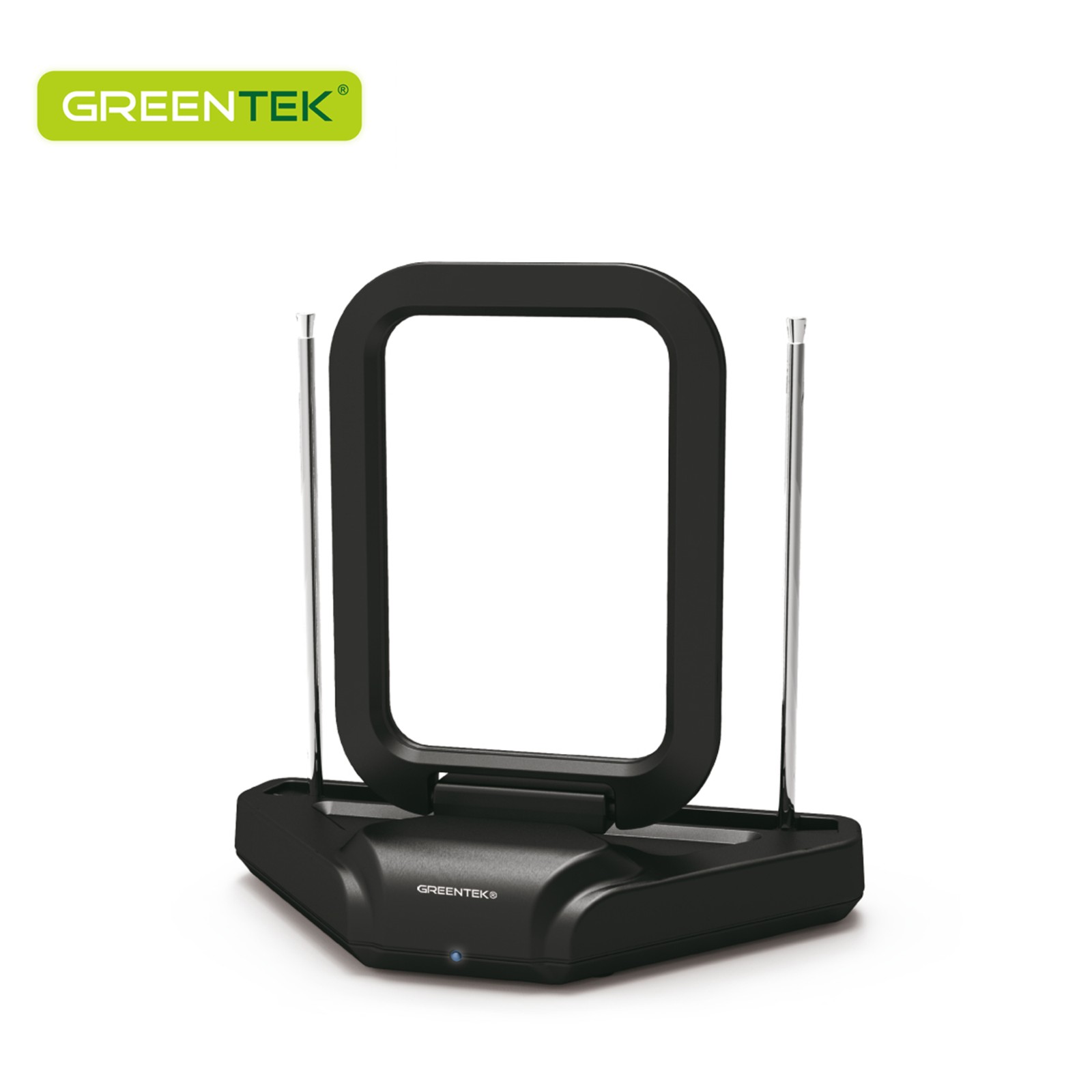
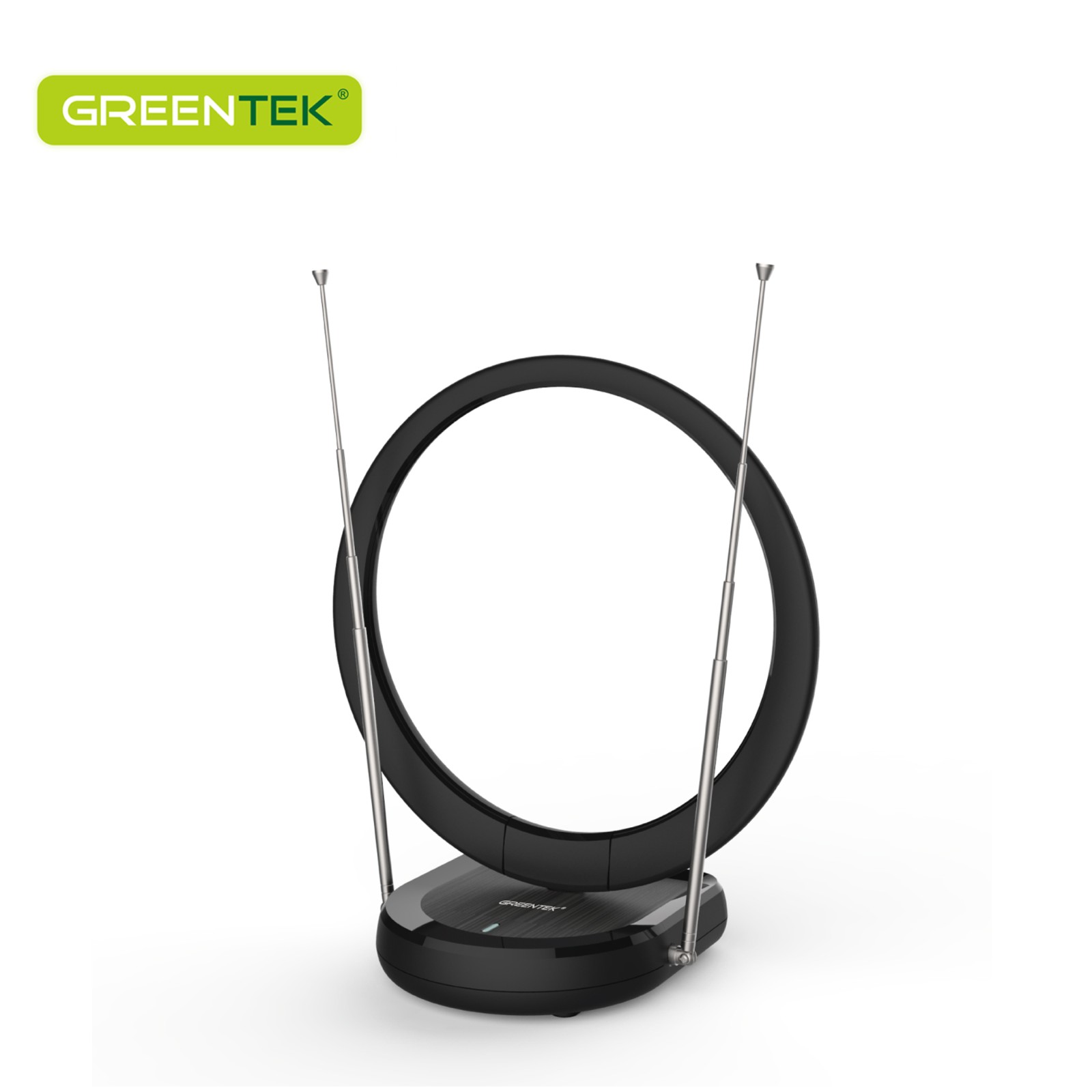
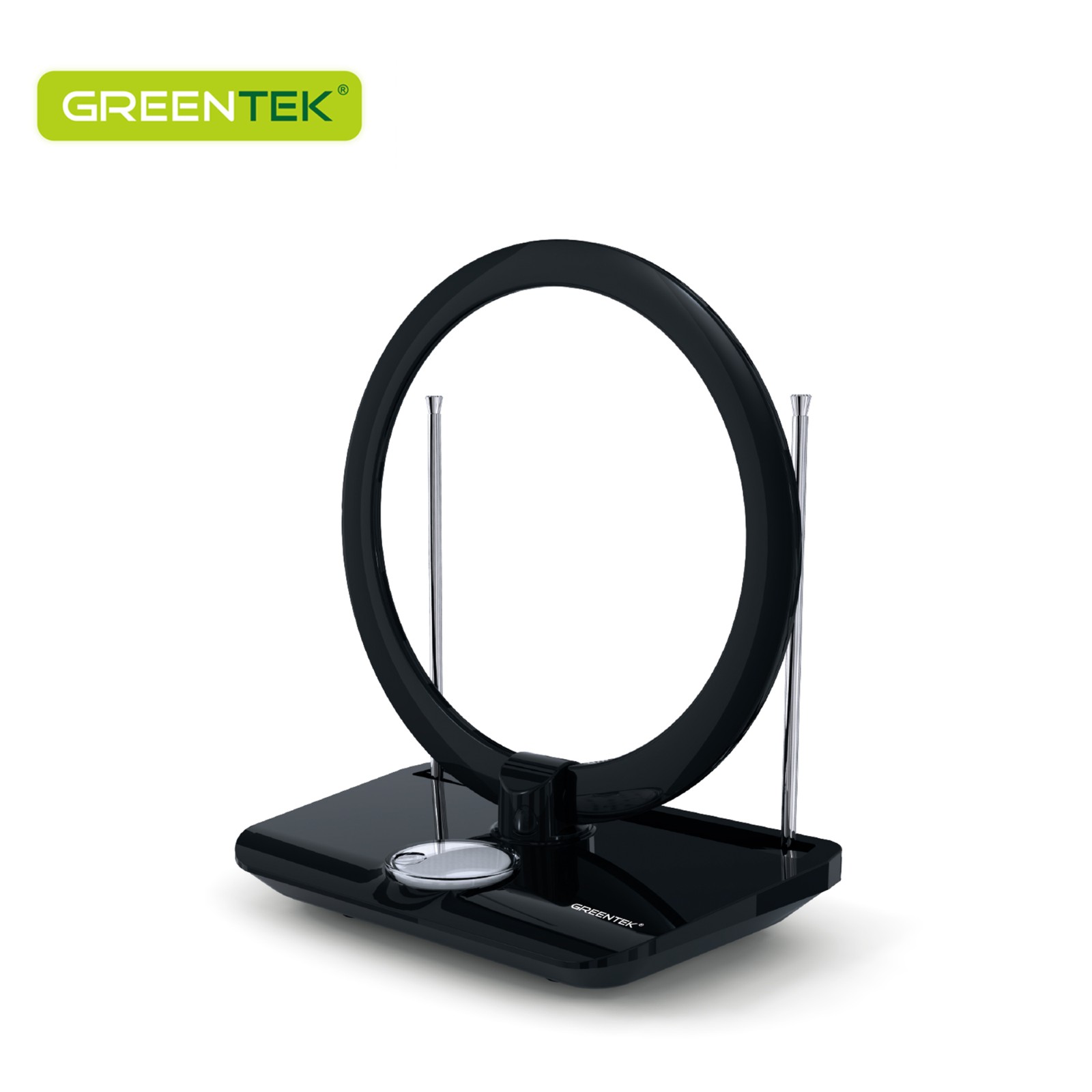
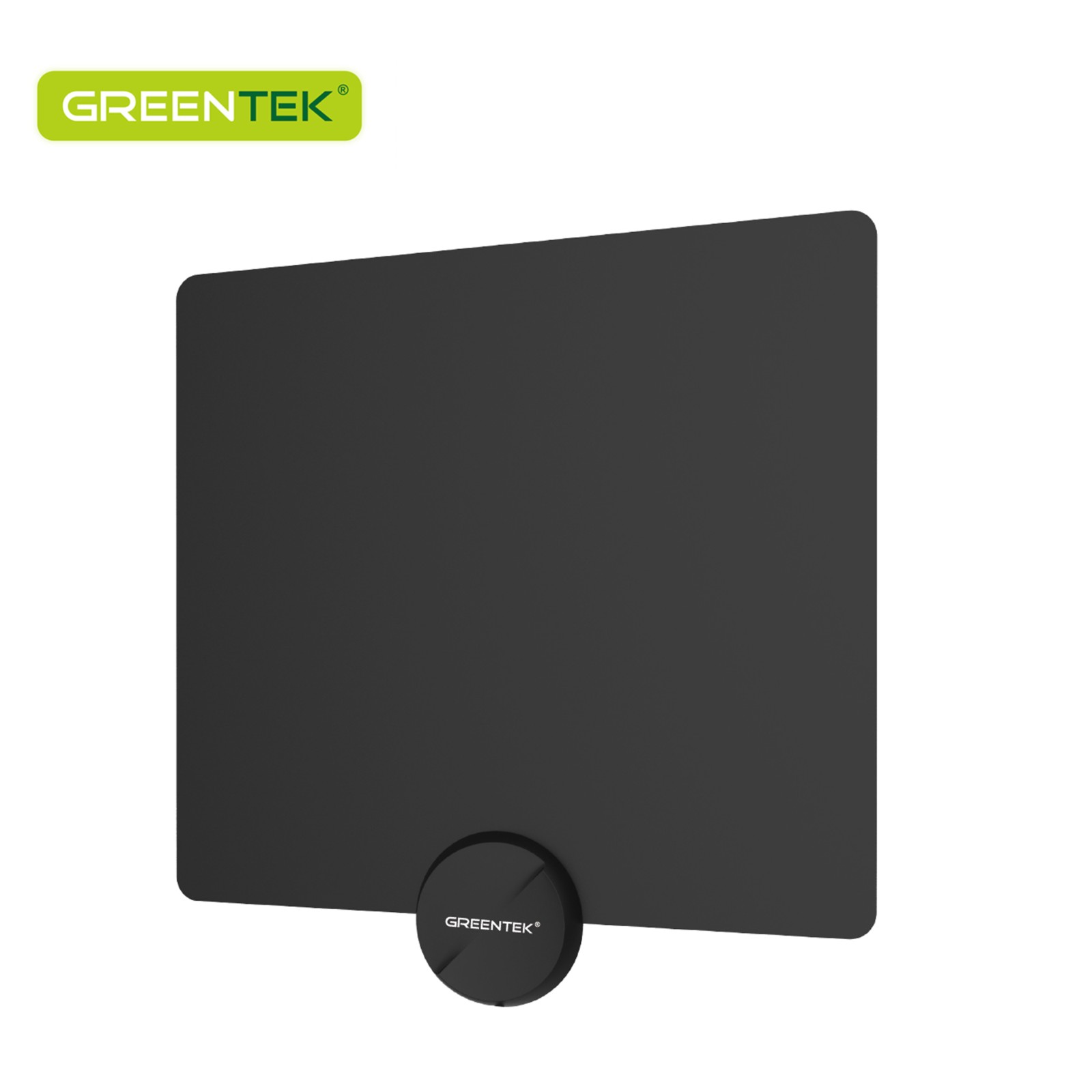
Antenna and Receivers
Source high-performance antenna and receivers from vetted suppliers and manufacturers across Asia. Designed for importers, wholesalers, and OEM brands scaling communication hardware, this catalog offers reliable bulk production tailored to your exact frequency and application requirements.
Sourcing antennas and receivers in bulk is rarely as simple as matching a frequency range on a datasheet. RF performance is notoriously sensitive to manufacturing variances. A slight deviation in PCB material dielectric constant, a poorly shielded receiver housing, or an over-torqued SMA connector on the assembly line can severely degrade signal integrity and ruin your product's field performance. Success requires rigorous supplier vetting and strict process control on the factory floor.
Specifying Antennas for Volume Production
When moving from prototype to mass production, your Bill of Materials (BOM) and technical specifications must leave no room for factory interpretation. Manufacturers often default to cost-saving materials (like standard FR4 instead of high-frequency laminates) unless explicitly instructed otherwise.
To ensure consistent performance, your technical data package must clearly define:
- VSWR (Voltage Standing Wave Ratio): Specify the acceptable maximum across your entire operating band. For most commercial applications, a VSWR of under 2.0:1 is standard, but high-performance systems often require under 1.5:1.
- Gain and Radiation Pattern: Specify peak gain (dBi) and require 3D radiation pattern test reports from an anechoic chamber for the first article inspection.
- Impedance Matching: Standardized at 50 ohms for most RF applications (75 ohms for specific video/broadcast uses). Specify trace tolerances if the antenna is PCB-based.
- Connectors and Cables: Define the exact connector type (e.g., SMA, N-Type, IPEX/U.FL) and plating requirements. For cabled antennas, specify the cable loss parameters (e.g., RG178 vs. low-loss LMR-100 equivalents).
| Component Factor | Commercial Grade | Industrial / High-Reliability |
|---|---|---|
| Substrate Material | Standard FR4 | Rogers / PTFE laminates |
| VSWR Tolerance | Under 2.0:1 | Under 1.5:1 |
| Radome Material | Basic ABS | UV-stabilized Polycarbonate or ASA |
| Connector Plating | Standard Gold/Nickel | Thick Gold (over 30 micro-inches) |
Experiencing inconsistent RF performance across production batches? We can help you implement rigorous factory-level quality control.
Talk to our teamManufacturing Tolerances and Quality Control
The biggest risk in RF sourcing is batch-to-batch inconsistency. A factory might produce a perfect "golden sample," but drift in automated soldering temperatures or minor changes in the plastic injection molding for the radome can shift the antenna's resonant frequency.
Effective Quality Control & Inspection must move beyond basic visual checks. You need to ensure the factory has the testing infrastructure to verify performance in real-time.
Critical Factory Verification Steps
- Vector Network Analyzer (VNA) testing on the line for VSWR and Return Loss.
- Anechoic chamber availability for periodic gain and radiation pattern verification.
- Passive Intermodulation (PIM) testing (crucial for cellular and base-station antennas).
- Pull-force testing for cable assemblies and connector joints.
- Environmental testing chambers for thermal cycling and IP-rating verification.
If a supplier relies entirely on third-party labs for basic VNA testing, they likely lack the internal process controls necessary for high-yield RF manufacturing. Conducting thorough Factory Audits before placing a PO is the only way to verify their in-house testing capabilities.
Regulatory Compliance and Environmental Testing
Communication products are heavily regulated. Depending on your target market, your receivers and active antennas will need to comply with specific regulatory frameworks such as FCC (USA), CE RED (Europe), or IC (Canada).
Furthermore, outdoor antennas require strict environmental resilience. UV degradation of the radome, water ingress, and salt-spray corrosion on exposed connectors are common failure points. Ensure your supplier provides valid test reports for IP67/IP68 ratings and salt-mist resistance. Navigating these requirements often demands professional Compliance & Testing oversight to prevent customs seizures or market recalls.
Pricing, MOQs, and Lead Times
The cost of antennas and receivers scales dramatically based on the complexity of the design, the precision of the tuning, and the materials used.
- Standard Off-the-Shelf Antennas: Simple dipole or basic PCB antennas often have Minimum Order Quantities (MOQs) ranging from 1,000 to 5,000 units. Lead times are typically 3 to 5 weeks.
- Custom / OEM Designs: If you are utilizing OEM/ODM Services for a custom form factor or specific multi-band tuning, expect initial MOQs of 3,000 to 10,000 units.
- Tooling Costs: Custom plastic injection molds for radomes or custom stamped metal elements will incur tooling fees, generally ranging from $1,500 to $5,000 depending on complexity. Tooling adds 3 to 6 weeks to the initial lead time.
Need to negotiate better terms or custom tooling with an Asian RF manufacturer? Let our sourcing experts handle the heavy lifting.
Get a free consultationFrequently Asked Questions
Sourcing reliable antennas and receivers requires bridging the gap between electrical engineering and factory-floor realities. By enforcing strict tolerances, demanding rigorous VNA testing on the line, and validating compliance early, you can secure high-performance communication components at scale without sacrificing signal integrity.
Get Sourcing Help for Antenna and Receivers
Tell us your requirements and our experts will connect you with verified manufacturers.