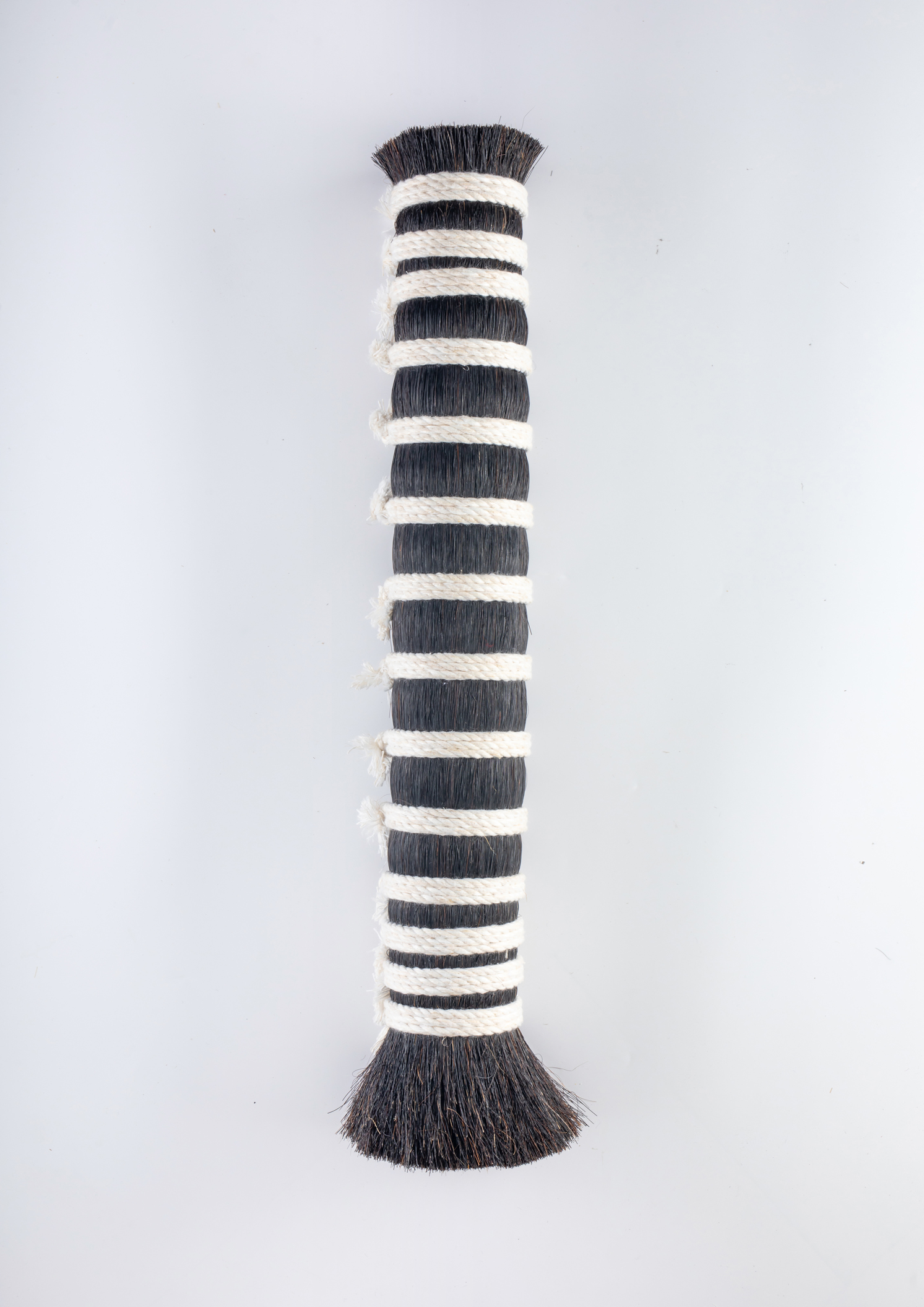
Animal Fur
Source premium bulk Animal Fur from vetted suppliers and manufacturers. Designed for importers, wholesalers, distributors, and apparel brands seeking reliable bulk procurement or OEM production, our network delivers high-quality pelts and processed fur with rigorous adherence to global tanning, grading, and chemical compliance standards.
Sourcing natural animal fur at scale requires strict oversight over the entire supply chain, from pelt grading to the final tanning and dyeing processes. Inconsistent grading, poor chemical management during tanning, and improper curing can lead to stiff leather, excessive shedding, and non-compliance with international chemical regulations. For volume buyers, securing a reliable supply means looking past surface aesthetics and deeply auditing the manufacturer's raw material sourcing and wet-end processing capabilities.
Fur Grading and Pelt Specifications
The value of an animal fur pelt is dictated by its harvest season, size, and the structural integrity of the hair follicles. Winter-harvested pelts are universally preferred in commercial apparel due to their dense undercoat and robust guard hairs.
When specifying requirements to a factory, buyers must standardize their grading criteria to avoid receiving mixed-quality batches.
| Specification | Premium Grade | Commercial Grade |
|---|---|---|
| Harvest Season | Deep winter (maximum density) | Spring/Autumn (transitioning coat) |
| Guard Hair to Underfur Ratio | Balanced, unbroken guard hairs | Sparse guard hairs, visible breaks |
| Pelt Size & Shape | Uniform, fully stretched, no edge tears | Irregular, smaller dimensions, minor scars |
| Leather Thickness | Evenly shaved, supple | Uneven, stiff spots |
Struggling with inconsistent fur grading from overseas suppliers? Let us standardize your quality requirements and vet capable facilities.
Talk to our teamTanning and Processing: Where Quality is Won or Lost
The raw pelt is highly perishable; the tanning process stabilizes the collagen in the skin, turning it into durable leather while preserving the fur. The chemical management during this phase is the most critical vulnerability in overseas fur sourcing.
Subpar fleshing (removing fat and tissue) leaves residues that cause the pelt to rot or emit a strong fishy odor over time. Furthermore, the use of low-grade chromium or excessive formaldehyde in the tanning drum can result in stiff, crack-prone leather and severe chemical compliance failures at customs.
To mitigate these risks, rigorous Compliance & Testing must be integrated into your procurement cycle to verify that the finished pelts meet REACH or other regional chemical safety standards.
Critical Defect Checklist for Finished Fur
When conducting Quality Control & Inspection on a batch of finished fur, inspectors should evaluate the following:
- Odor Test: Check for residual rancid fat, fishy smells, or harsh chemical odors indicating poor washing or cheap tanning agents.
- Leather Suppleness: The skin side should drape easily and recover from folding without cracking or rigid creasing.
- Hair Retention (Pull Test): Gentle pulling should yield minimal shedding. Excessive shedding indicates follicle damage during the pickling phase.
- Dye Penetration: For dyed furs, the color must penetrate deeply into the undercoat without staining the leather substrate unevenly.
- Seam Integrity: If purchasing fur plates (pelts sewn together), check for consistent tension and flat seams without trapped hair.
Volume Pricing, MOQs, and Lead Times
Fur pricing is highly volatile and tightly linked to global raw pelt auction prices, species, and the complexity of the dyeing process.
- Minimum Order Quantities (MOQs): Natural-color pelts often have lower MOQs (e.g., 100 to 300 pieces), as factories hold raw stock. Custom-dyed fur requires a dedicated drum run, pushing MOQs to 500 pieces or more per colorway to justify the chemical setup and achieve color consistency.
- Pricing Drivers: Beyond the species, pricing is calculated per pelt or per square meter (for fur plates). Extensive bleaching (required for dyeing dark fur into bright, pastel colors) degrades the hair slightly and increases processing costs by 15 to 30 percent.
- Lead Times: Standard lead times for processed fur range from 30 to 45 days. However, peak production seasons (late summer to early winter) can extend lead times to 60 days.
Need accurate pricing and lead times for your next bulk fur order? We negotiate directly with top-tier tanneries.
Get a free consultationBuyer FAQ
Successful bulk procurement of animal fur relies entirely on the technical competence of the tannery and the strictness of your quality control protocols. By partnering with experts in Product Sourcing, you can bypass trading companies, establish direct relationships with capable processors, and ensure every batch meets your exact grading and compliance standards.
Get Sourcing Help for Animal Fur
Tell us your requirements and our experts will connect you with verified manufacturers.