Animal Feeders
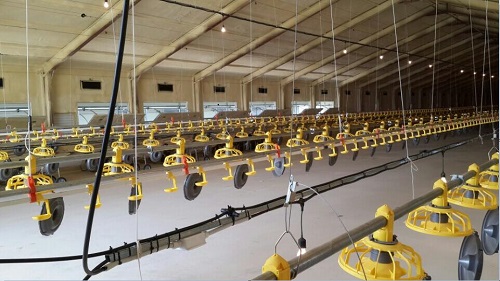
Source commercial-grade animal feeders from vetted manufacturers and suppliers across Asia. Designed for agricultural distributors, procurement managers, and brands seeking reliable OEM or private-label production, our network delivers bulk feeding equipment engineered for durability and high-volume livestock operations.
Sourcing animal feeders in commercial volumes requires balancing upfront material costs with long-term agricultural durability. Whether you are importing heavy-duty steel bunks or UV-stabilized polymer hoppers, the primary challenge lies in verifying that the factory's material specifications match the harsh demands of agricultural environments, while simultaneously optimizing container space for these inherently bulky products.
Material Specifications & Manufacturing
The lifespan of an animal feeder is dictated entirely by its material composition and the manufacturing process used. Buyers must clearly define these specifications in their purchase orders to prevent factories from substituting lower-grade materials to cut costs.
When evaluating a manufacturer, it is critical to understand their primary production capabilities. A factory specializing in sheet metal stamping and welding will have entirely different quality control pain points than a facility focused on rotational or injection molding. Conducting thorough Factory Audits ensures the supplier actually owns the necessary machinery—such as high-tonnage injection machines or automated laser cutters—rather than subcontracting your order to a less capable facility.
| Material Type | Primary Manufacturing Method | Critical Specs to Verify |
|---|---|---|
| HDPE / Polypropylene | Injection molding, Rotational molding | UV stabilizer percentage, virgin vs. recycled resin ratio |
| Galvanized Steel | Sheet metal stamping, CNC bending | Zinc coating weight (e.g., Z275), gauge thickness |
| Stainless Steel | Laser cutting, TIG welding | Grade (304 vs. 316), passivation treatment for corrosion resistance |
Need help verifying a factory's material certifications and production capabilities?
Talk to our teamDefect Control on the Factory Floor
Agricultural equipment takes severe abuse. Weak points in a feeder's design or execution will lead to rapid failure in the field, resulting in high return rates and damaged brand reputation. Implementing rigorous Quality Control & Inspection protocols before shipment is non-negotiable.
Pre-Shipment Inspection Focus Areas
- Edge Finishing: Ensure all stamped metal edges are hemmed or rolled to prevent livestock injury.
- Weld Integrity: Inspect for continuous, slag-free welds on load-bearing joints, particularly on heavy cattle feeders.
- Hardware Quality: Verify that all included fasteners (nuts, bolts, hinges) match the corrosion resistance of the main body.
- Feed Flow Mechanics: Test adjustable baffles and gravity-flow mechanisms to ensure feed does not bridge or jam.
- Dimensional Tolerance: Confirm that multi-part feeders assemble smoothly without requiring force or modification.
Sourcing Mechanics: MOQs, Pricing, and Logistics
The economics of importing animal feeders are heavily influenced by their physical volume. Because many feeders contain significant empty space, shipping fully assembled units quickly becomes cost-prohibitive.
To maximize container efficiency, experienced buyers work with factories to design feeders that are stackable, nestable, or shipped SKD (Semi-Knocked Down). This requires careful coordination during the design phase to ensure assembly in the field remains straightforward. Effective Shipping & Freight management is essential to balance the cost of assembly labor at the destination against the savings in ocean freight.
Optimize your feeder designs for container space and lower landed costs.
Get a free consultationFrequently Asked Questions
Successful procurement in this category relies on tightly controlling material specifications and optimizing product design for freight efficiency. By treating the factory as a manufacturing partner rather than just a vendor, buyers can secure reliable, commercial-grade equipment that scales with their distribution needs.
Get Sourcing Help for Animal Feeders
Tell us your requirements and our experts will connect you with verified manufacturers.