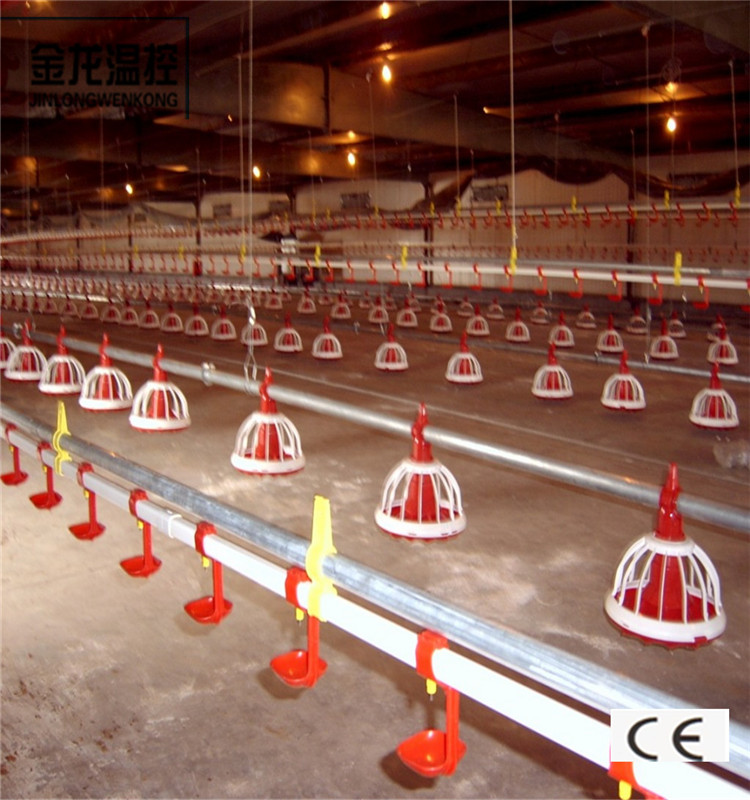
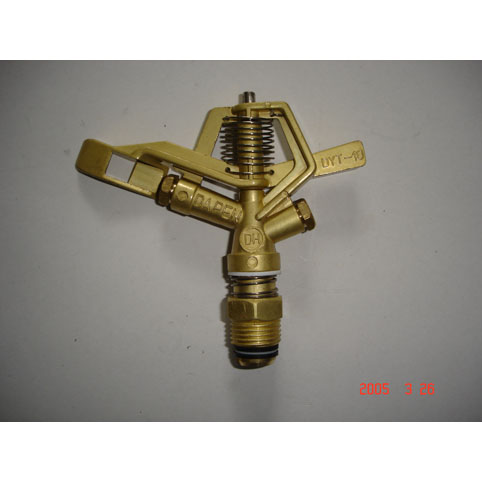
Animal Drinkers
Source commercial-grade animal drinkers from vetted suppliers and manufacturers across Asia. Designed for agricultural equipment importers, wholesalers, and brands seeking reliable OEM production, our network delivers bulk quantities built to strict durability and flow-rate specifications.
Commercial farming operations rely heavily on animal drinkers that deliver precise water flow without leaking, clogging, or failing under heavy use. When sourcing these units in volume, the primary challenge is identifying manufacturers capable of maintaining strict tolerances on valve mechanisms while utilizing raw materials graded for long-term, high-impact agricultural environments.
For procurement managers and importers, evaluating a factory's capabilities requires looking past the outer housing and examining their precision engineering, material sourcing, and assembly protocols.
Critical Specifications and Material Selection
The longevity of a commercial drinker depends entirely on the raw materials used for the housing and the internal valve components. Buyers must specify exact material grades on their purchase orders; failing to do so often results in factories substituting inferior grades to cut costs.
| Component | Standard Material | Premium / High-Impact Alternative |
|---|---|---|
| Nipple / Bite Valves | 201 Stainless Steel or Brass | 304 or 316 Stainless Steel |
| Springs | Carbon Steel | 304 Stainless Steel |
| Bowls & Housings | Polypropylene (PP) | High-Density Polyethylene (HDPE) with UV inhibitors |
| O-Rings & Seals | Standard Rubber | EPDM or Silicone |
When dealing with stainless steel components, particularly for swine and cattle drinkers, 304 stainless steel is the baseline for corrosion resistance. Lower-cost suppliers may quote 201 stainless steel, which will rust rapidly when exposed to the high-ammonia environments of commercial barns.
Manufacturing Tolerances and Quality Control
The most common point of failure in any animal drinker is the valve mechanism. A leak rate of even a few drips per minute can flood a facility over time, while a stuck valve can cause severe animal welfare issues. Quality is won or lost on the factory floor during the machining of metal threads and the injection molding of plastic housings.
Injection Molding Flash
In plastic bowl or cup drinkers, excess plastic (flash) left behind during the injection molding process can easily break off and lodge in the valve mechanism, causing permanent blockages or leaks. Ensure your supplier has a strict deflashing protocol.
Before finalizing a production run, it is highly recommended to implement a robust Quality Control & Inspection plan.
Pre-Shipment Inspection Focus Areas
- Pneumatic pressure testing of valves to ensure zero leakage under standard operating pressure.
- Actuation force testing (verifying the exact weight required to trigger the water flow).
- Thread pitch and tolerance verification (NPT or BSP) for seamless installation.
- Spectrometer testing for stainless steel grade verification (ensuring 304/316 compliance).
Need help verifying a supplier's manufacturing tolerances? Our team can evaluate factory capabilities and establish strict testing protocols for your orders.
Discuss your QC requirementsCustomization and OEM Production
Brands supplying the agricultural sector often require specific modifications to standard drinker designs. Customizing the flow rate—measured in milliliters per minute at a specific PSI—is critical depending on the target animal (e.g., day-old poultry versus adult sows).
If you are pursuing OEM/ODM Services, modifying the spring tension inside a nipple valve is a straightforward adjustment that does not require new tooling. However, altering the shape or volume of a drinking bowl will require new injection molds. Tooling costs for plastic bowls typically range from $1,500 to $4,000 depending on the complexity and cavity count, with lead times of 30 to 45 days just for mold creation.
Pricing, MOQs, and Lead Times
Pricing in this category is heavily dependent on the global cost of raw materials (stainless steel and petroleum-based plastics) and the precision of the internal machining.
High-volume buyers should be wary of prices that fall significantly below the market average. This is almost always an indicator of downgraded materials (e.g., using recycled plastics without UV stabilizers or substituting 304 stainless for 201). Conducting thorough Factory Audits before placing a deposit is the most effective way to verify that a supplier actually has the CNC machining and testing equipment necessary to produce reliable valves, rather than just assembling cheap parts sourced from sub-tier vendors.
Looking to consolidate your supply chain or negotiate better terms with reliable manufacturers? Let's discuss your current procurement strategy.
Talk to our sourcing teamFrequently Asked Questions
Sourcing animal drinkers at scale requires balancing cost-efficiency with the uncompromising need for mechanical reliability. A failed valve does not just result in a defective product return; it disrupts the end-user's entire agricultural operation. By establishing strict material specifications and enforcing rigorous pre-shipment testing, importers can secure high-quality products that perform reliably in the field.
Get Sourcing Help for Animal Drinkers
Tell us your requirements and our experts will connect you with verified manufacturers.