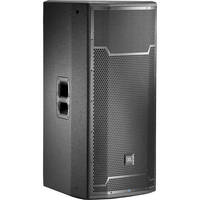
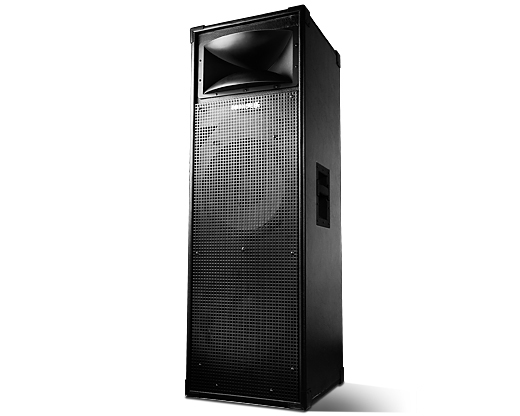
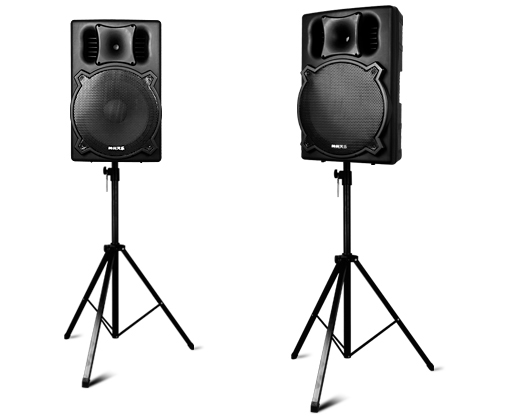
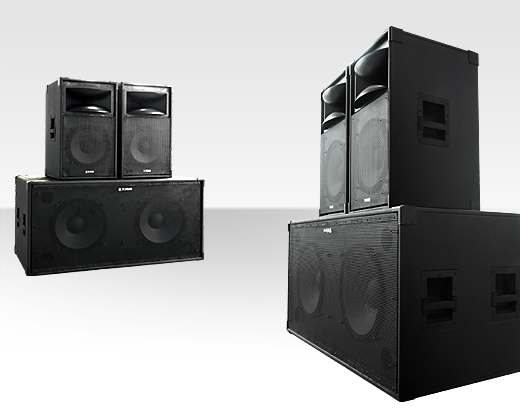
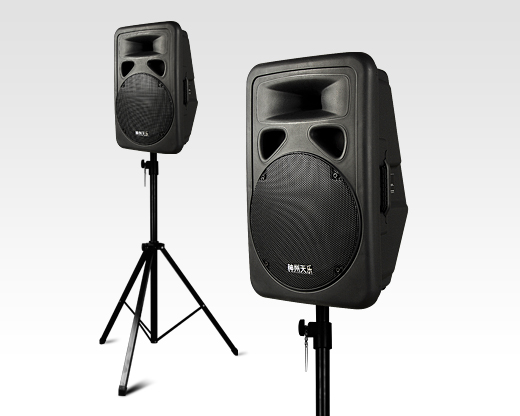
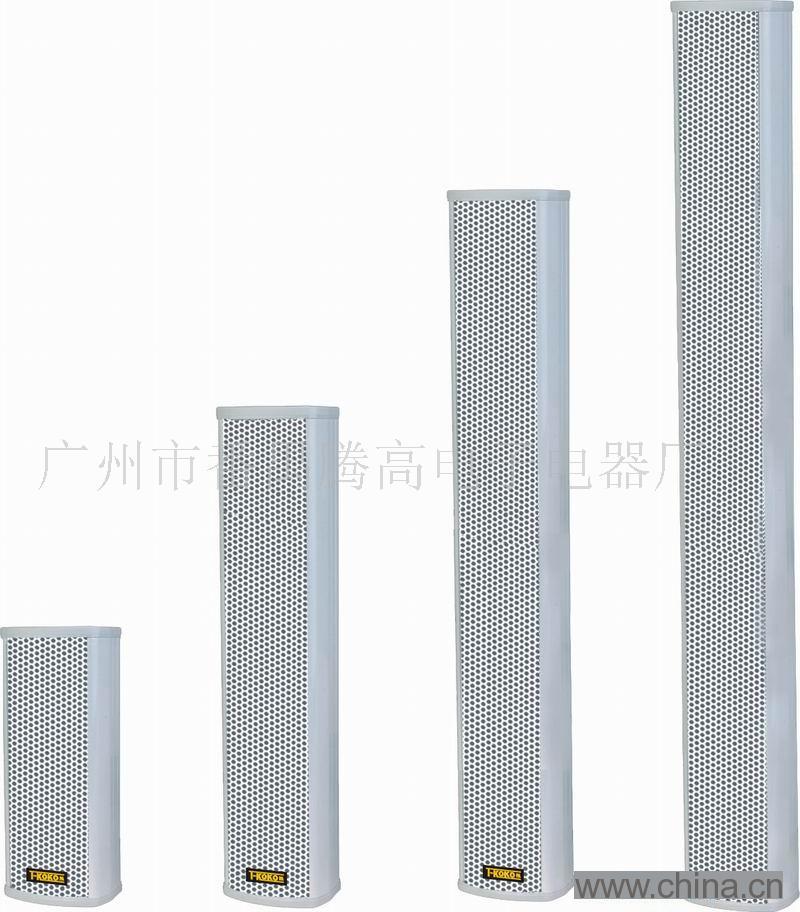
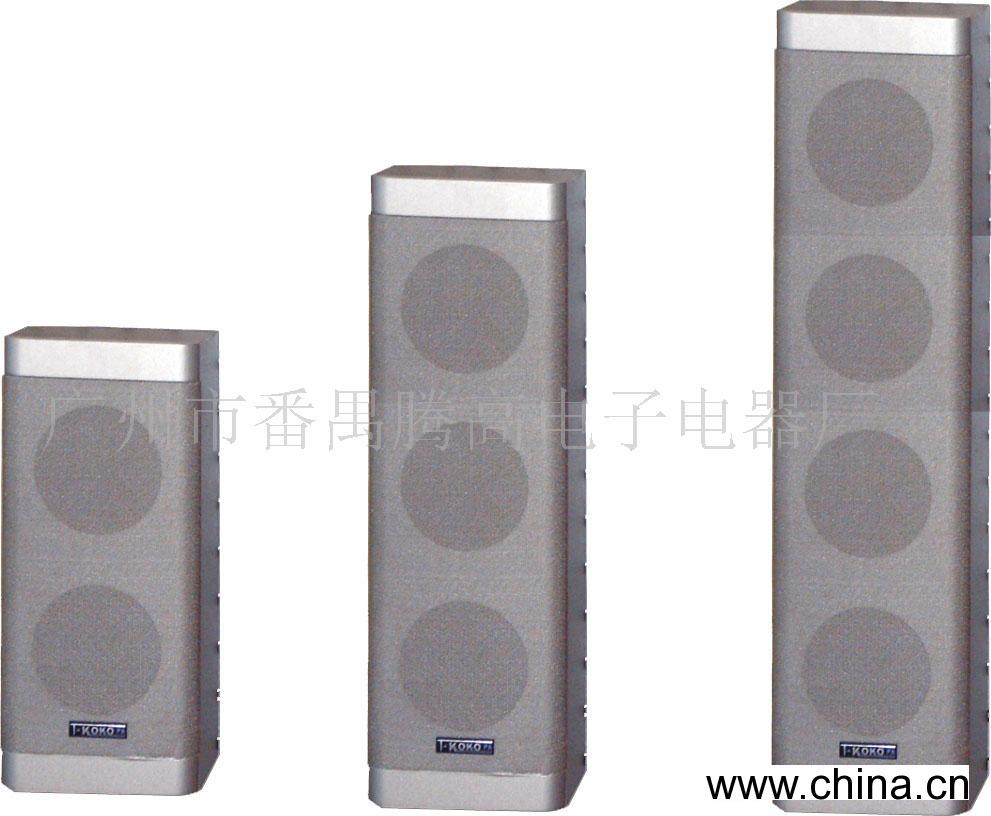
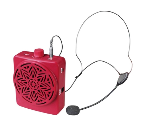
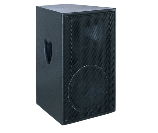
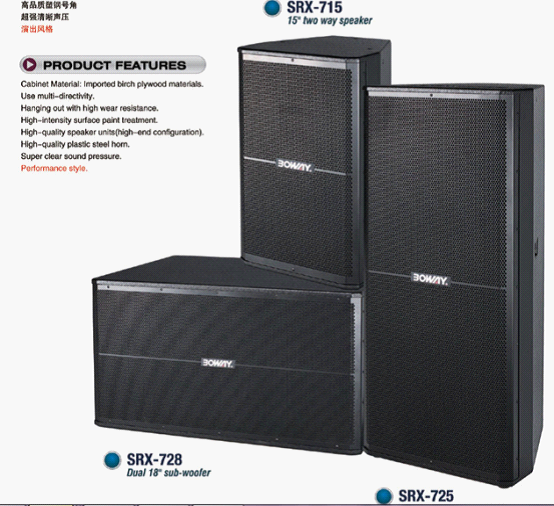
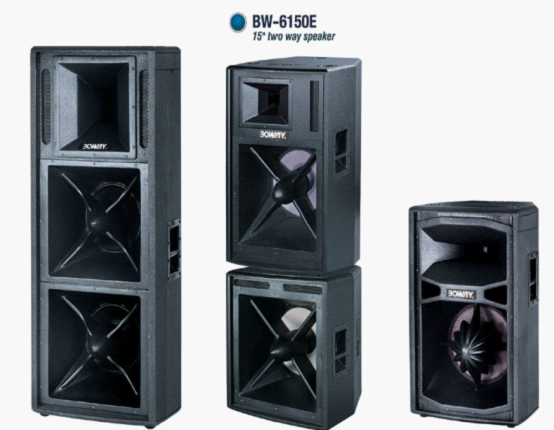
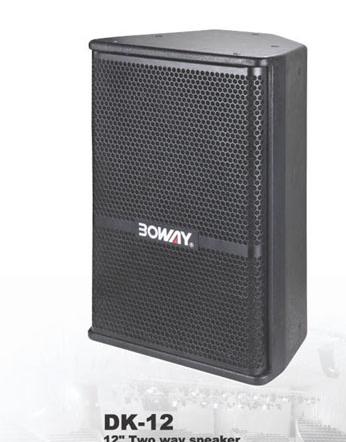
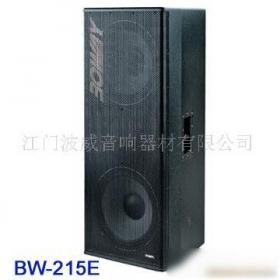
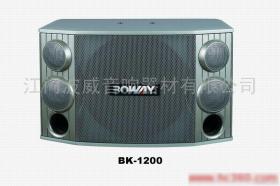
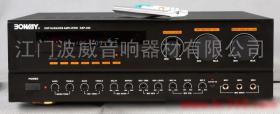
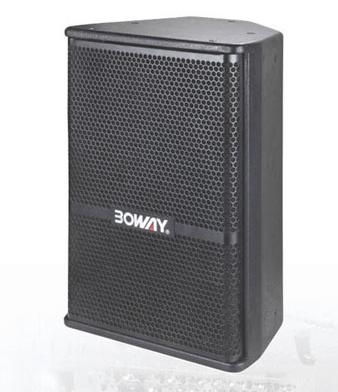
Amplifiers & Speakers
Source professional-grade amplifiers & speakers from vetted suppliers and manufacturers across Asia. Designed for importers, distributors, and audio brands seeking reliable OEM and private-label production, our network provides direct access to high-volume manufacturing with stringent quality control and component traceability.
Sourcing professional audio equipment at scale requires navigating a complex supply chain of acoustic components, electronic ICs, and specialized cabinet manufacturing. The primary challenge is not merely finding a factory that can assemble a speaker or amplifier; it is securing a manufacturing partner capable of maintaining strict acoustic consistency, thermal management, and electronic reliability across production runs of thousands of units.
Core Specifications and Component Sourcing
When specifying commercial amplifiers and passive or active speakers, the bill of materials (BOM) dictates both the acoustic baseline and the unit cost. For active PA systems and standalone power amplifiers, the choice of amplification topology and DSP (Digital Signal Processing) integration are paramount. Buyers must clearly define power ratings in continuous RMS (Root Mean Square) rather than peak or PMPO, as factories will often quote the latter to inflate perceived value.
| Amplifier Topology | Efficiency | Thermal Management | Typical Commercial Application |
|---|---|---|---|
| Class D | High (over 85%) | Minimal heat sinking required | Active PA speakers, multi-zone installation amps |
| Class AB | Moderate (50-70%) | Requires heavy aluminum heat sinks | High-fidelity studio monitors, premium touring amps |
| Class H | Good (variable rail) | Moderate heat sinking | High-power passive subwoofers, large venue arrays |
For acoustic components, the choice between ferrite and neodymium magnets significantly impacts both the weight of the speaker and the shipping costs. While neodymium offers a superior power-to-weight ratio ideal for touring line arrays, fluctuating rare-earth metal prices can cause sudden BOM cost variations.
Struggling to lock in consistent component pricing for your audio line? Let us help you audit your BOM and negotiate directly with capable tier-one audio manufacturers.
Talk to our teamManufacturing Tolerances and Quality Control
The assembly of professional audio gear involves precise mechanical and electronic integration. Misaligned voice coils, insufficient acoustic damping inside cabinets, or cold solder joints on crossover networks will severely degrade frequency response and long-term reliability.
Ensuring consistency requires rigorous Quality Control & Inspection on the factory floor. Reliable manufacturers will not just test for power-on; they will utilize automated audio testing systems (like Audio Precision analyzers) and test boxes to verify frequency response and Total Harmonic Distortion (THD) against a golden sample.
Critical Factory-Floor QC Checks for Audio Equipment
- End-of-line acoustic sweep testing (measuring frequency response and THD).
- Burn-in testing for amplifiers (typically 4 to 8 hours at maximum continuous load).
- Polarity checks on all internal driver wiring and crossover outputs.
- Vibration and rattle testing for assembled speaker cabinets at high SPL.
- Visual inspection of voice coil centering and surround glue lines.
For brands developing proprietary audio lines, utilizing structured OEM/ODM Services allows for custom DSP tuning, unique cabinet tooling (injection-molded ABS or CNC-routed Baltic birch), and customized connectivity panels without having to build a factory from scratch.
Compliance and Market Certification
Professional audio equipment, particularly active speakers and standalone amplifiers, falls under strict regulatory scrutiny. Because they draw significant mains power and emit electromagnetic frequencies, they require rigorous safety and electromagnetic compatibility testing. Managing Compliance & Testing proactively ensures your shipments will clear customs and meet local retail requirements. You must verify that the factory holds valid, verifiable reports for CE (LVD/EMC), FCC Part 15, and UL/ETL safety standards, specifically for the power supply units (PSUs) used in your models.
Buying Mechanics: MOQs, Pricing, and Lead Times
Audio manufacturing is highly dependent on the procurement of raw materials like MDF/plywood, copper for voice coils, and silicon for DSP/amplifier chips. Lead times can stretch significantly if specific ICs are out of stock.
Need to scale your audio equipment purchasing? We manage supplier vetting, component sourcing, and factory-level QC to ensure your bulk orders meet strict acoustic standards.
Get a free consultationFrequently Asked Questions
Successfully importing commercial amplifiers and speakers requires moving beyond off-the-shelf catalog browsing. By focusing on component-level specifications, mandating strict acoustic QC tolerances, and ensuring full regulatory compliance, professional buyers can build reliable, high-performance audio lines that stand up to the rigors of commercial use.
Get Sourcing Help for Amplifiers & Speakers
Tell us your requirements and our experts will connect you with verified manufacturers.