Aluminum Sheets
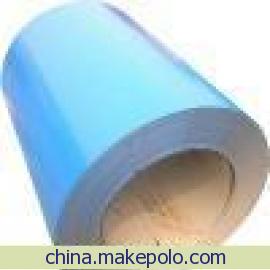
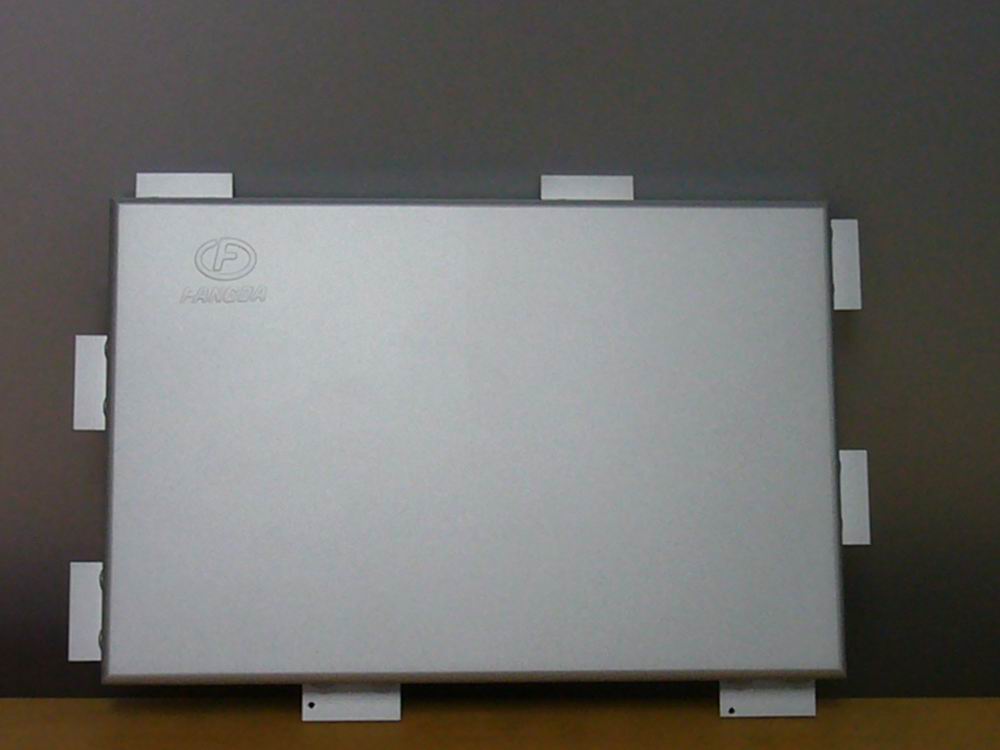
Source high-quality aluminum sheets from vetted suppliers and manufacturers in China and Asia. Designed for importers, wholesalers, distributors, and industrial brands requiring bulk manufacturing, our network delivers reliable supply chains, precise alloy specifications, and competitive wholesale pricing.
Sourcing commercial aluminum sheets at scale requires strict control over alloy purity, temper, and rolling tolerances. Whether you are procuring material for architectural cladding, automotive panels, or consumer electronics, a minor deviation in thickness or a surface defect from the rolling mill can render an entire batch unusable for downstream fabrication. Securing a reliable supply chain means moving beyond trading companies to partner with verified mills capable of consistent output.
Core Specifications for Bulk Procurement
When negotiating with mills, specifying "aluminum sheet" is insufficient. Precision in your RFQ dictates the quality of the final product and prevents costly misunderstandings.
Buyers must define the exact alloy series, temper condition, surface finish, and dimensional tolerances. The temper (such as H14, H24, or T6) determines the material's hardness and formability, while the alloy chemistry dictates its tensile strength and corrosion resistance.
| Alloy Series | Key Characteristics | Common Industrial Uses |
|---|---|---|
| 1000 Series (e.g., 1050, 1060) | 99% minimum purity, excellent workability, high conductivity | Chemical equipment, lighting reflectors, food packaging |
| 3000 Series (e.g., 3003, 3004) | Manganese alloyed, moderate strength, anti-rust properties | Roofing, HVAC components, deep-drawn parts |
| 5000 Series (e.g., 5052, 5083) | Magnesium alloyed, high corrosion resistance, weldable | Marine applications, pressure vessels, transport vehicles |
| 6000 Series (e.g., 6061) | Magnesium & Silicon alloyed, heat treatable, high strength | Structural components, precision machined parts |
Struggling to find a mill that meets your exact alloy and temper requirements? Let us connect you with verified manufacturers.
Talk to our teamManufacturing Tolerances and Quality Control
The primary risks in aluminum sheet sourcing occur during the rolling and annealing processes. Inconsistent roller pressure leads to gauge variation across the width of the sheet, while improper annealing can result in the "orange peel" effect during subsequent bending or drawing.
Executing comprehensive quality control before the material is packed for export is mandatory. Visual inspections must catch surface defects, while mechanical testing verifies the metallurgical properties.
Critical Pre-Shipment Inspection Points
- Thickness tolerance: Verify gauge consistency across the center and edges using micrometers (standard tolerance is often ±0.02mm to ±0.05mm depending on thickness).
- Surface integrity: Check for roll marks, scratches, oil stains, or water spots which indicate poor handling or packing.
- Flatness: Measure deviation from a flat surface to ensure the sheet will not jam automated processing equipment.
- Chemical composition: Require mill test certificates (MTCs) and conduct independent spectrometer testing to verify alloy chemistry.
- Mechanical properties: Confirm tensile strength, yield strength, and elongation match the specified temper.
If you are sourcing from a new supplier, conducting thorough factory audits is highly recommended. You must verify that the mill has the appropriate cold-rolling or hot-rolling equipment, adequate annealing furnaces, and in-house testing laboratories to maintain ISO standards.
Pricing Structures, MOQs, and Logistics
Purchasing aluminum in bulk operates on a different pricing model than finished consumer goods. Pricing is dynamic and tied to global commodities markets.
Understanding the Pricing Model
Chinese mills calculate sheet prices based on the Shanghai Metal Exchange (SMM) or London Metal Exchange (LME) daily aluminum ingot price, plus a processing fee (conversion cost). The processing fee varies based on the alloy complexity, thickness (thinner gauges often cost more to roll), and surface treatments (like anodizing or PVC film coating). Savvy buyers often lock in the processing fee in long-term contracts while allowing the ingot price to float until the time of order.
Shipping and Handling Heavy Freight
Aluminum sheets are dense and highly susceptible to moisture damage during ocean transit. Sheets must be packed on sturdy wooden pallets (fumigated for export), interleaved with craft paper or PE film to prevent scratching, and wrapped in waterproof materials with desiccant added. Due to the high weight-to-volume ratio, optimizing container loads is critical. Partnering with experts in shipping and freight ensures your cargo is loaded safely to prevent shifting, which can cause catastrophic damage to the sheets and the container itself.
Need to optimize your aluminum procurement strategy and secure better processing fees? Our sourcing experts can help.
Get a free consultationFrequently Asked Questions
Final Sourcing Insight
Successfully importing aluminum sheets in volume requires separating capable industrial mills from smaller trading companies that lack control over the rolling process. By understanding the LME-plus-fabrication pricing model and insisting on rigorous pre-shipment metallurgical and dimensional testing, you can stabilize your supply chain and protect your margins. If you need dedicated personnel on the ground to manage mill relationships, audit facilities, and oversee quality control, our team is ready to assist.
Get Sourcing Help for Aluminum Sheets
Tell us your requirements and our experts will connect you with verified manufacturers.