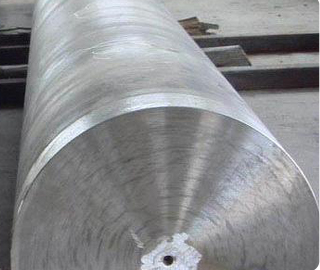
Aluminum Billets
Source premium aluminum billets from vetted manufacturers and suppliers in Asia. Designed for importers, wholesalers, distributors, and industrial procurement managers sourcing high-volume feedstock for extrusion and forging applications. Secure competitive LME-pegged pricing and reliable bulk supply for your manufacturing needs.
Aluminum billets are the foundational feedstock for the global extrusion and forging industries. When sourcing these in bulk from overseas mills, the primary challenge isn't just negotiating the fabrication premium—it is ensuring absolute metallurgical consistency. A single container of billets with excessive hydrogen porosity, non-metallic inclusions, or inconsistent grain structure can ruin an entire extrusion run, leading to costly downtime, scrapped dies, and rejected final products.
Critical Specifications for Extrusion & Forging
Procuring billets requires precise technical alignment with the manufacturer. The 6000-series alloys dominate the extrusion market, but the exact chemical composition and physical state of the billet dictate how it will perform in the press.
| Alloy Grade | Primary Application | Key Characteristics |
|---|---|---|
| 6063 | Architectural extrusions, window frames | Highly extrudable, excellent surface finish for anodizing |
| 6061 | Structural components, automotive parts | High strength, good weldability, moderate extrudability |
| 6082 | Heavy structural, marine, scaffolding | Superior strength to 6061, excellent corrosion resistance |
Beyond the alloy grade, buyers must clearly define the physical and thermal requirements of the order:
Essential Billet Specifications to Define
- Diameter and Length: Standard diameters range from 3 to 14 inches, cut to specific lengths to match your extrusion press container.
- Homogenization State: Specify whether billets must be homogenized (heat-treated to ensure uniform grain structure) to reduce extrusion pressure and improve surface finish.
- Chemical Composition Limits: Define strict tolerances for trace elements like iron, copper, and zinc to prevent adverse effects on anodizing or structural integrity.
- Surface Quality: Billets must be free of deep casting marks, oil, and heavy oxidation.
Manufacturing Quality and Defect Control
Most high-quality aluminum billets are produced using Direct Chill (DC) casting. While this process is highly efficient, it requires strict temperature and cooling controls. If the cooling rate is uneven, it can cause internal thermal stresses resulting in centerline cracks.
Similarly, inadequate degassing of the molten aluminum before casting leads to hydrogen porosity—microscopic voids that cause blistering during extrusion. Ensuring a mill has the proper inline degassing units (like spinning nozzle degassers) and ceramic foam filters is essential. This is where comprehensive Factory Audits are vital to verify a supplier's equipment and quality management systems before you commit to a major contract.
Need to verify an overseas billet manufacturer's casting capabilities and quality controls before placing a high-volume order?
Get a free consultationTo catch defects before the material leaves the mill, rigorous Quality Control & Inspection protocols should include ultrasonic testing for internal cracks and spectrometer analysis to confirm the exact chemical composition of the melt.
Sourcing Mechanics: Pricing, MOQs, and Logistics
The pricing structure for aluminum billets is standard across the industry but requires careful contract management. Pricing is almost universally calculated as the current London Metal Exchange (LME) price for raw aluminum, plus a "conversion premium" or "fabrication fee" that covers the casting, alloying, homogenization, and the manufacturer's margin.
Because aluminum is a dense, heavy commodity, logistics play a massive role in your landed cost. Billets are typically strapped into bundles and shipped in standard 20-foot containers to maximize weight limits without paying for unused volume. Coordinating the Shipping & Freight efficiently is just as important as negotiating the base premium.
Looking to stabilize your aluminum supply chain with reliable, LME-pegged pricing and vetted manufacturing partners?
Talk to our teamFrequently Asked Questions
Sourcing aluminum billets at scale requires balancing volatile raw material markets with strict metallurgical demands. By partnering with vetted mills that maintain rigorous casting and testing standards, you protect your extrusion tooling and ensure the profitability of your downstream manufacturing.
Get Sourcing Help for Aluminum Billets
Tell us your requirements and our experts will connect you with verified manufacturers.