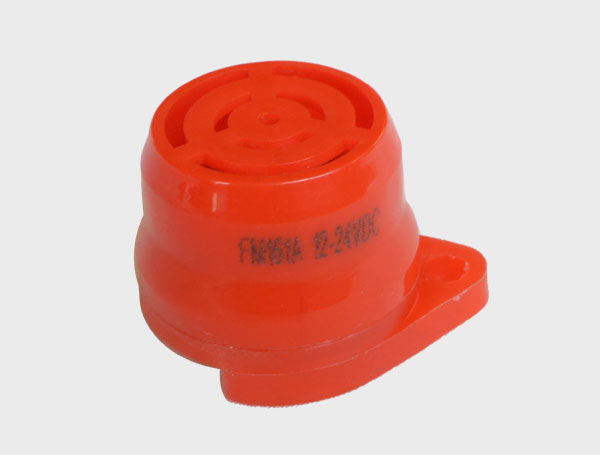
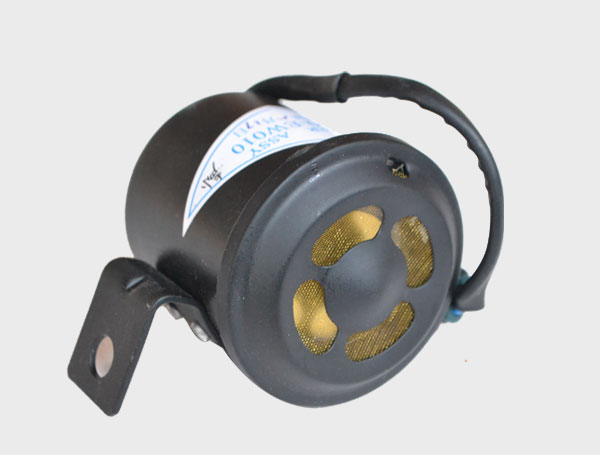
Alarms, Buzzers and Sirens
Source bulk alarms, buzzers, and sirens directly from vetted manufacturers and wholesale suppliers. Designed for importers, distributors, and brands seeking reliable OEM/ODM production, our network delivers high-performance audio components built to strict industrial, commercial, and consumer electronics standards.
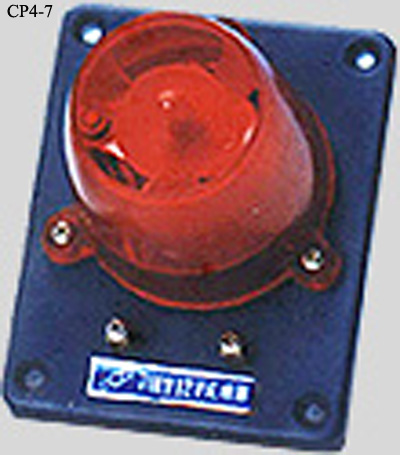
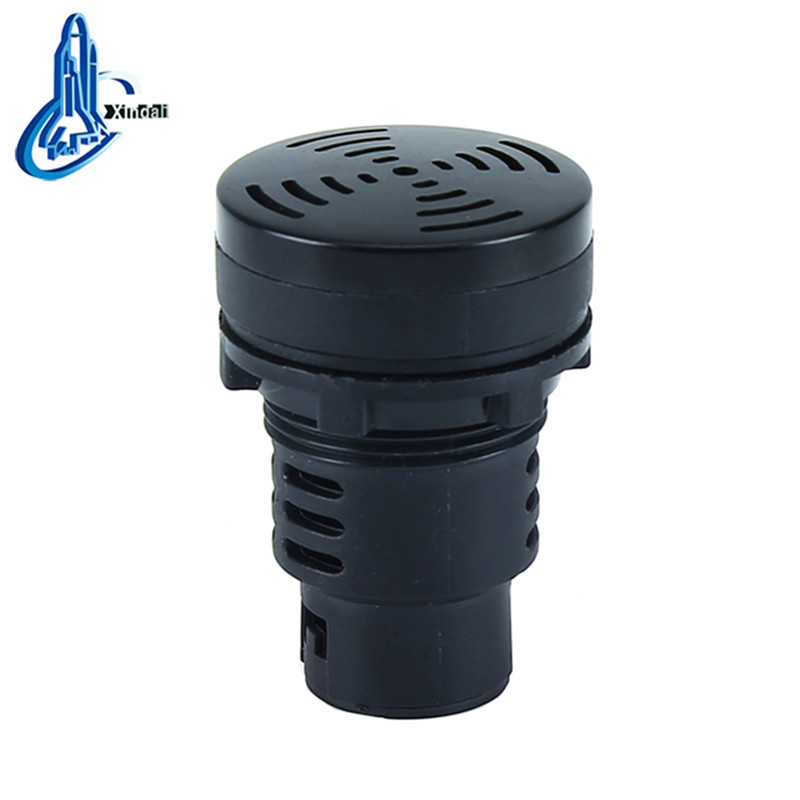
Sourcing alarms, buzzers, and sirens in bulk requires balancing acoustic performance with environmental durability. Whether you are integrating surface-mount buzzers into consumer electronics or specifying heavy-duty sirens for industrial security systems, the core challenge remains the same: ensuring consistent Sound Pressure Level (SPL) and frequency stability across thousands of units.
Selecting the Right Acoustic Technology
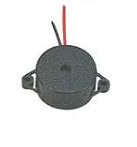
The first step in bulk procurement is specifying the correct drive technology for your application. The two dominant technologies in the market—piezoelectric and magnetic—operate on fundamentally different principles and dictate the component's footprint, power draw, and acoustic profile.
| Specification | Piezoelectric Buzzers | Magnetic Buzzers |
|---|---|---|
| Operating Principle | Deformation of a piezoceramic element | Electromagnetic coil driving a metal diaphragm |
| Operating Voltage | High (typically 3V to 250V) | Low (typically 1.5V to 12V) |
| Current Consumption | Very low (under 30mA) | Higher (up to 100mA) |
| SPL Output | High, penetrating sound | Moderate, lower frequency tone |
| Typical Application | Smoke alarms, household appliances | Keypads, timers, medical devices |
Beyond the underlying technology, buyers must specify whether the component is Active (containing a built-in oscillating circuit, requiring only DC voltage) or Passive (requiring an external PWM signal from a microcontroller to generate variable tones).
Need help matching acoustic specifications to your product enclosure? We connect you with manufacturers capable of custom tuning and precision assembly.
Talk to our teamManufacturing Tolerances and Quality Control
Defects in audio components often stem from poor assembly tolerances on the factory floor. A misaligned diaphragm, inconsistent coil winding, or insufficient potting compound can drastically alter the resonant frequency (f0) or compromise the component's ingress protection (IP) rating.
When vetting suppliers, it is crucial to evaluate their end-of-line testing capabilities. Reliable factories do not rely solely on human hearing; they utilize automated acoustic testers housed in anechoic chambers.
Critical QC Checks for Audio Components
- Anechoic chamber testing for SPL and frequency response validation.
- Environmental testing (thermal shock and humidity cycling) to ensure potting and housing integrity.
- Current consumption verification at rated operating voltage.
- IP rating validation (water immersion and dust ingress) for outdoor sirens and automotive alarms.
Integrating robust Quality Control & Inspection early in the production run prevents these assembly variations from reaching your final assembly line. Furthermore, if your products are entering regulated markets, verifying RoHS, REACH, and specific safety standards through proper Compliance & Testing is mandatory before shipment.
Buying Mechanics: MOQs, Lead Times, and Pricing
The majority of acoustic component manufacturing is clustered in China's Guangdong and Jiangsu provinces. Standard through-hole or SMD (Surface Mount Device) buzzers are highly automated, allowing for lower unit costs but requiring higher Minimum Order Quantities (MOQs). Heavy-duty industrial sirens or custom-tuned alarms often involve more manual assembly and specialized tooling.
Pricing is heavily influenced by raw material costs—such as the grade of neodymium magnets used in magnetic buzzers, the quality of the piezoceramic disc, and the housing plastics (e.g., PBT vs. ABS). When evaluating new suppliers, conducting rigorous Factory Audits is essential to verify their testing equipment and ensure they aren't substituting lower-grade materials to hit a target price.
Struggling with inconsistent SPL across your current supplier's batches? Let us audit your supply chain and source reliable, high-yield alternatives.
Get a free consultationFrequently Asked Questions
Sourcing reliable alarms, buzzers, and sirens is about more than just securing the lowest unit price; it requires strict adherence to acoustic tolerances and environmental durability. By partnering with vetted manufacturers who invest in rigorous end-of-line testing, you ensure your products sound exactly as intended, every time.
Get Sourcing Help for Alarms, Buzzers and Sirens
Tell us your requirements and our experts will connect you with verified manufacturers.