Air Quality Monitors
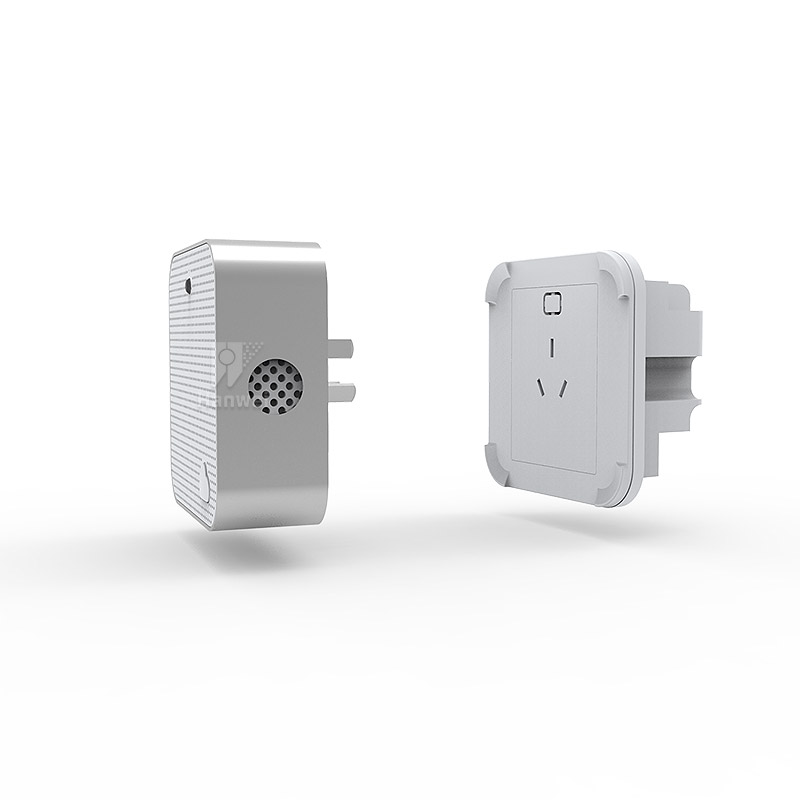
Source commercial and consumer Air Quality Monitors directly from vetted manufacturers and wholesale suppliers. Built for importers, distributors, and brands requiring OEM/ODM production, our network delivers precision environmental testing instruments with verified sensor accuracy, stable firmware, and global compliance.
Sourcing air quality monitors at scale requires navigating a highly fragmented supply chain where sleek external housing often masks substandard internal components. For volume buyers, the difference between a reliable environmental testing instrument and a high-return-rate liability lies entirely in sensor selection, factory calibration procedures, and firmware stability.
Core Sensor Architecture & Component Selection
The heart of any air quality monitor is its sensor array. Manufacturers in major electronics hubs like Shenzhen and Dongguan typically offer tiered pricing based entirely on the origin and underlying technology of these core components. Specifying the exact sensor type is critical; failing to do so often results in factories defaulting to cheaper, estimated-value sensors that drift rapidly over time.
| Measurement Target | Premium / Industrial Standard | Budget / Consumer Grade |
|---|---|---|
| Carbon Dioxide (CO2) | NDIR (Non-Dispersive Infrared) sensors | eCO2 (Estimated CO2 via VOC sensors) |
| Particulate Matter (PM2.5/10) | Laser scattering sensors | Infrared (IR) LED sensors |
| Volatile Organic Compounds (TVOC) | Metal Oxide Semiconductor (MOx) | Basic electrochemical sensors |
| Formaldehyde (HCHO) | Electrochemical with cross-interference filters | Unfiltered electrochemical (prone to false positives) |
When negotiating with suppliers, demand a detailed Bill of Materials (BOM) specifying the sensor brands (e.g., Sensirion, Plantower, Cubic) and their rated lifespans.
Need help verifying sensor BOMs and negotiating with component-level precision? Let our sourcing engineers evaluate your supplier's technical proposals.
Talk to our teamFactory Calibration and Quality Control
Assembly of the PCB and housing is straightforward; accurate calibration is not. A factory's true capability is measured by its investment in testing infrastructure. Before committing to a supplier, running thorough factory audits is essential to verify they possess the necessary environmental testing chambers.
Critical Factory Audit Checkpoints for Air Quality Monitors
- Presence of sealed gas calibration chambers for CO2 and VOC testing.
- Standardized aerosol generators for PM2.5/PM10 sensor calibration.
- Aging rooms where assembled units are powered on for 48 to 72 hours to identify early component failure.
- Firmware flashing and connectivity testing stations for IoT-enabled models.
- Traceability systems linking individual unit serial numbers to their specific calibration data.
During production, rigorous quality control must go beyond standard AQL cosmetic checks. Pre-shipment inspections should include functional testing against a known, calibrated reference monitor in a controlled environment to ensure readings fall within the specified margin of error.
Firmware, Connectivity, and OEM/ODM Integration
Most modern air quality monitors require cloud connectivity. If you are developing a smart home product or commercial monitoring system, leveraging OEM/ODM services allows you to customize both the hardware and the software ecosystem.
Many manufacturers utilize white-label IoT platforms like Tuya for rapid deployment. While cost-effective, you must ensure the factory provides localized servers or complies with regional data privacy laws (like GDPR or CCPA). Additionally, wireless transmission components (Wi-Fi, Bluetooth, Zigbee, or Matter) must undergo rigorous compliance testing to secure necessary certifications such as FCC, CE-RED, or IC.
Pricing Drivers, MOQs, and Lead Times
Costs scale dramatically based on sensor accuracy, display technology (LCD vs. E-ink vs. OLED), and smart connectivity features.
Keep in mind that global semiconductor and sensor shortages can periodically impact lead times. Securing long-term supply agreements for the critical components is often necessary to stabilize pricing across multiple production runs.
Struggling to balance sensor accuracy with your target unit cost? We can help you source the right manufacturer for your specific technical requirements.
Get a free consultationFrequently Asked Questions
Sourcing air quality monitors is ultimately an exercise in risk management. A unit that looks premium but relies on uncalibrated, budget-tier sensors will quickly damage your brand's reputation when end-users compare the data against reliable reference devices. By focusing your sourcing efforts on factories with verifiable calibration infrastructure and transparent BOMs, you can secure hardware that performs consistently in the field.
Get Sourcing Help for Air Quality Monitors
Tell us your requirements and our experts will connect you with verified manufacturers.