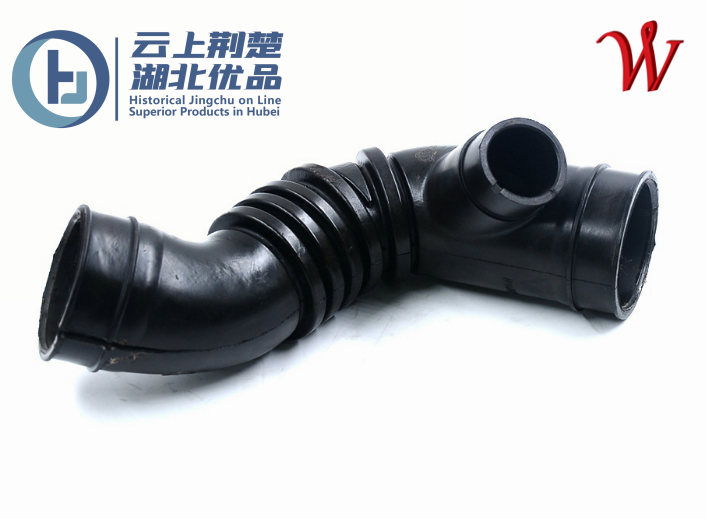
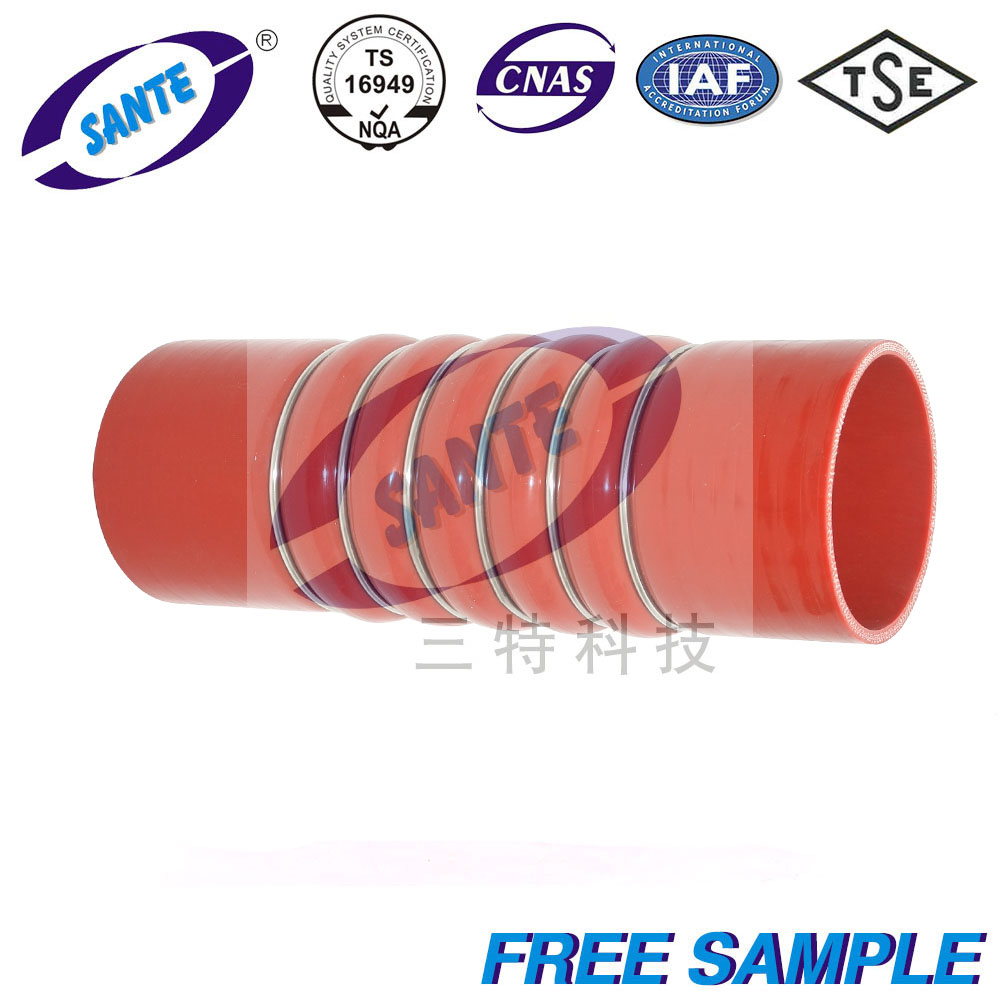
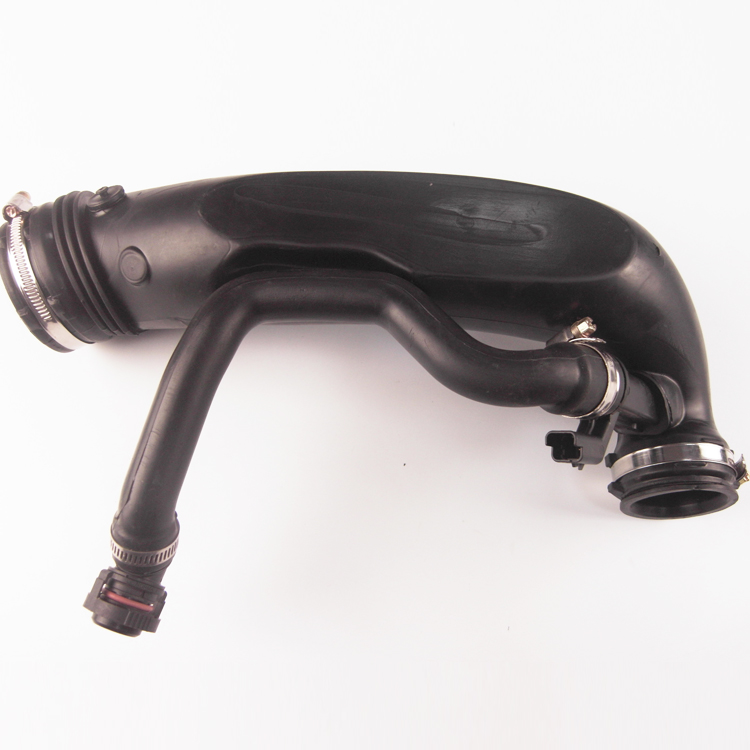
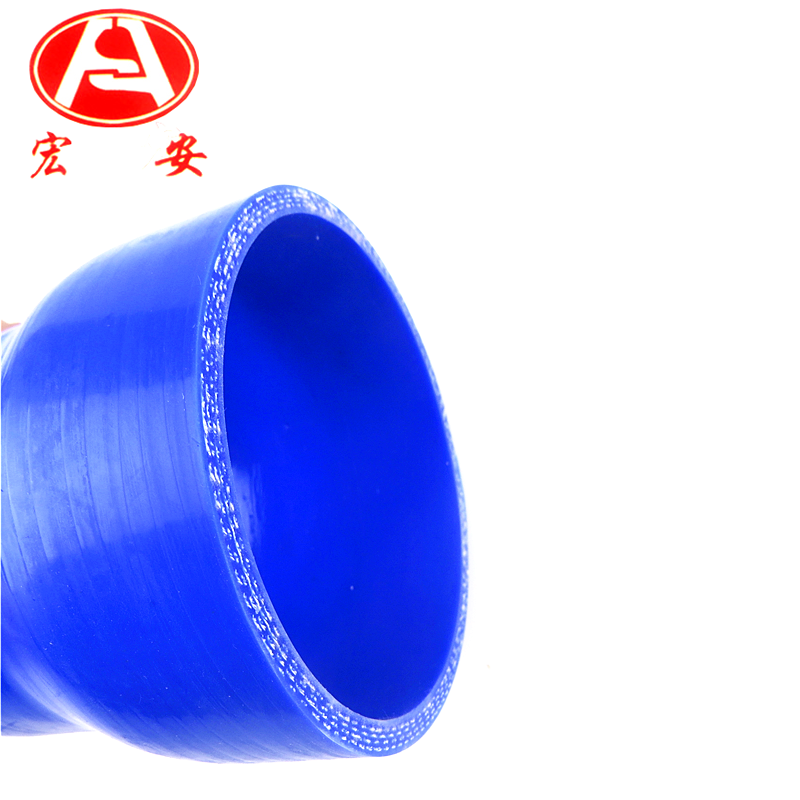
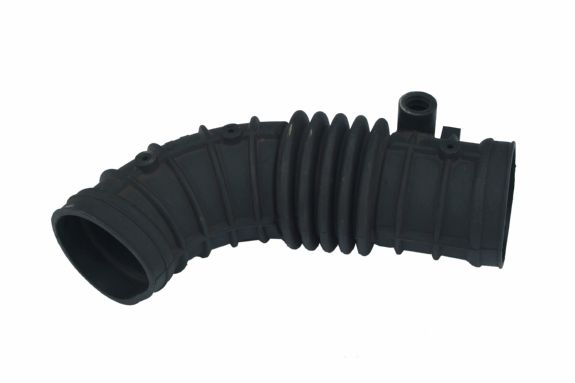
Air Intake Hoses & Pipes
Source high-quality Air Intake Hoses & Pipes from vetted manufacturers and suppliers across Asia. Designed for automotive parts importers, wholesalers, distributors, and brands seeking reliable OEM and aftermarket production, our network delivers bulk manufacturing at scale.
Sourcing air intake hoses and pipes at volume requires navigating strict thermal, chemical, and pressure tolerances. The primary challenge is not simply finding a factory capable of molding rubber or plastic; it is ensuring the supplier's compounding and reinforcement processes produce parts that will not collapse under vacuum, degrade from oil vapor, or fail under extreme under-hood temperatures. Success in this category demands tight control over material specifications and tooling precision.
Material Specifications & Performance Profiles
The foundation of any reliable air intake system is the base polymer. Automotive applications dictate specific material choices based on operating environment, proximity to the turbocharger or exhaust manifold, and target price points.
| Material Type | Max Temperature | Typical Application | Cost Profile |
|---|---|---|---|
| Standard EPDM | Up to 150°C | Naturally aspirated OEM replacements | Economical |
| Silicone (VMQ) | Up to 250°C | Performance, heavy-duty, turbo inlets | Premium |
| TPE / TPV | Up to 135°C | Mass-market rigid intake pipes | Highly Economical |
| NBR (Nitrile) | Up to 120°C | High oil-vapor exposure areas | Moderate |
When developing custom geometries or private-label performance lines, your choice of reinforcement fabric is just as critical as the polymer. Polyester is standard for normal operating temperatures, while Aramid (such as Nomex) is required for high-heat turbocharger applications. Engaging capable OEM/ODM Services ensures the factory correctly matches the reinforcement ply count (typically 3-ply to 5-ply) to your burst pressure requirements.
Need help matching material specs to your aftermarket or OEM requirements? Let us connect you with specialized extrusion and molding facilities.
Talk to our teamManufacturing Processes & Tooling
Intake hoses are manufactured using distinct processes depending on the material and complexity of the part. Understanding these methods is crucial for accurately projecting lead times and tooling costs.
- Mandrel Wrapping (Silicone): Highly manual. Uncured silicone calendered with fabric is wrapped around a steel or aluminum mandrel, then vulcanized in an autoclave. Tooling is relatively inexpensive, but unit costs are higher due to labor.
- Injection Molding (TPE/Plastic): Used for rigid or semi-rigid intake pipes. Requires complex, expensive steel molds but yields very low unit costs and rapid production times at high volumes.
- Extrusion & Forming (EPDM): Hoses are extruded, reinforced, cut to length, and then cured on shaped mandrels to set the final bends.
Quality Control & Validation Testing
Automotive parts sourcing requires stringent supplier vetting. Relying on a factory's self-reported defect rate is a fast track to costly warranty claims. You must verify that the supplier operates under automotive quality management systems (specifically IATF 16949) before committing to tooling. We highly recommend conducting thorough Factory Audits to validate their testing laboratory capabilities.
Critical Pre-Shipment Validation Checks
- Vacuum Collapse Testing: Ensure the hose maintains structural integrity under negative pressure.
- Burst Pressure Testing: Validate that ply adhesion and wall thickness meet specified PSI ratings.
- Heat Aging & Ozone Resistance: Confirm the compound will not crack or become brittle over time.
- Dimensional Tolerance: Check inner diameter (ID) and bend angles against CAD drawings to ensure exact fitment.
Routine Quality Control & Inspection should be implemented at the factory level to catch ply separation, uneven wall thickness, or surface blemishes before the goods are containerized.
Pricing Dynamics, MOQs, and Lead Times
Pricing in the automotive hose sector is heavily volume-dependent. Tooling costs and minimum order quantities shift dramatically based on the manufacturing method.
When negotiating with manufacturers, be aware that tooling fees are often amortized or refunded after a certain volume threshold is met. However, raw material fluctuations—particularly in the silicone and synthetic rubber markets—can impact long-term pricing stability.
Optimize your procurement strategy. We help you negotiate tooling costs, manage MOQs, and secure stable pricing.
Get a free consultationFrequently Asked Questions
Successfully sourcing air intake hoses in bulk means looking past the initial unit quote. A supplier's ability to maintain consistent compound formulation, execute precise tooling, and pass rigorous vacuum and burst tests is what ultimately protects your margins and brand reputation.
Get Sourcing Help for Air Intake Hoses & Pipes
Tell us your requirements and our experts will connect you with verified manufacturers.