Air Humidifiers
Source commercial and residential air humidifiers from vetted suppliers and manufacturers across Asia. Designed for importers, appliance wholesalers, and brands seeking reliable OEM and private-label production, our verified factory network delivers compliant, high-volume manufacturing tailored to your exact specifications.
Sourcing air humidifiers at scale requires navigating a fragmented manufacturing landscape where the difference between a reliable appliance and a high-return liability lies in unseen components. Whether you are procuring ultrasonic desktop units or large-capacity evaporative systems, the primary sourcing challenge is identifying manufacturers that maintain strict tolerances on transducers, water sealing, and printed circuit board (PCB) protection.
Core Technologies and Specifications
When negotiating with manufacturers, specifying the right technology and component grades is critical to balancing unit cost with operational lifespan.
| Technology | Mist Output (Typical) | Key Components | Primary Cost Driver |
|---|---|---|---|
| Ultrasonic | 150-300 ml/h | Piezoelectric Transducer, DC Fan | Transducer quality & PCB potting |
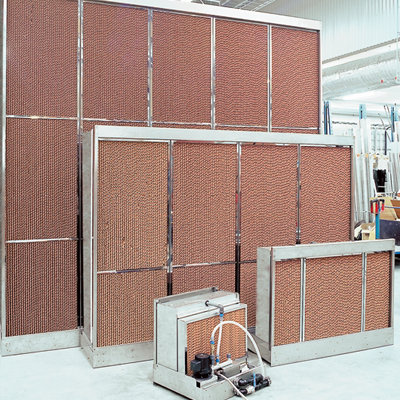
| Evaporative | 200-500 ml/h | Wicking Filter, High-RPM Fan | Filter material & Motor efficiency |
| Warm Mist | 300-600 ml/h | Heating Element, Thermostat | Thermal safety switches & Plastics |
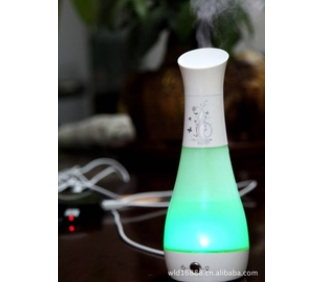
For ultrasonic models, the piezoelectric transducer is the heart of the unit. Standard commercial units typically operate at frequencies of 1.7 MHz or 2.4 MHz. High-frequency vibration generates the mist, but cheap ceramic transducers degrade rapidly, especially in hard-water environments. Specifying glass-glazed or titanium-coated transducers will significantly reduce your defect rate over time.
Manufacturing Realities: Where Quality is Won or Lost
Humidifiers mix water, electricity, and continuous vibration—a recipe for premature failure if the factory cuts corners. A thorough evaluation of a supplier's production line should focus on moisture protection and material selection. If you cannot visit the facility yourself, conducting professional factory audits is essential before committing to a high-volume order.
Critical Component Checks
- PCB Potting and Conformal Coating: The internal electronics must be shielded from ambient moisture and accidental spills. Unsealed PCBs will short-circuit within months of regular use.
- Plastic Resin Grades: The water tank material dictates chemical compatibility. Standard ABS plastic will crack and degrade if the end-user adds essential oils. If your unit supports aromatherapy, the tank must be molded from Polypropylene (PP) or Polyethylene Terephthalate (PET).
- Dry-Burn Protection: Reliable units utilize magnetic float switches or capacitive water-level sensors to cut power when the tank is empty. Mechanical switches are cheaper but prone to scale buildup and jamming.
Struggling to find a manufacturer with consistent quality control? Let us help you vet suppliers and secure reliable production lines.
Talk to our teamCompliance and Quality Control
Air humidifiers are heavily regulated electrical appliances. Depending on your target market, the factory must be capable of producing units that meet strict safety and electromagnetic compatibility standards. Relying on a factory's past certifications is risky; you must ensure your specific production run is compliant. Partnering with experts for compliance and testing ensures your goods clear customs and retail audits without issue.
Essential Pre-Shipment Inspection Points
- Hipot (Dielectric Withstand) Testing: Verifies electrical insulation integrity.
- Negative Pressure Leak Testing: Ensures ultrasonic welded seams on water tanks are airtight.
- Dry-Burn Simulation: Confirms the auto-shutoff mechanism triggers immediately upon water depletion.
- Aging Test: Continuous operation for 24 to 48 hours to identify early component failure.
Catching a water-leak issue after the goods have been containerized is a costly mistake. Implementing rigorous in-line and pre-shipment quality control is non-negotiable for this product category.
Pricing, MOQs, and Lead Times
Humidifier pricing is heavily dependent on the feature set—such as integrated humidistats, top-fill designs, UVC sterilization LEDs, and smart-home connectivity (Wi-Fi/Bluetooth modules).
If you are developing a proprietary design, expect to invest in custom injection molds. Utilizing structured OEM/ODM services can help you manage the tooling process, protect your intellectual property, and ensure the factory's engineering team translates your CAD files into manufacturable, cost-effective components.
Planning a custom private-label humidifier line? Connect with our sourcing engineers to optimize your BOM and manufacturing strategy.
Get a free consultationBuyer FAQ
Successfully sourcing air humidifiers means looking past the aesthetic design and focusing heavily on the internal bill of materials and the factory's assembly discipline. A supplier's ability to consistently pot PCBs and source high-grade transducers is what ultimately protects your brand's reputation. If you need experienced boots on the ground to manage this process, our team is ready to assist.
Get Sourcing Help for Air Humidifiers
Tell us your requirements and our experts will connect you with verified manufacturers.