Air Fresheners
Source high-quality air fresheners in bulk from vetted manufacturers and trusted suppliers. Designed for importers, wholesalers, distributors, and brands seeking reliable OEM and private-label production, this catalog connects you with factory-direct pricing, strict chemical compliance, and scalable manufacturing capabilities.
Sourcing air fresheners at scale requires balancing fragrance performance with strict chemical compliance and leak-proof packaging. Whether you are developing a custom scent profile or importing standard deodorizing formats in bulk, the success of your program hinges on precise formulation, stable carrier solvents, and rigorous factory-level execution.
Formulations and Technical Specifications
Air fresheners rely on a delicate balance between the fragrance oil, the carrier or solvent, and the delivery mechanism. When negotiating with manufacturers, you must specify the exact parameters of your formulation to ensure the product performs as expected in your target market.
The fragrance load—the percentage of pure fragrance oil in the total formula—dictates both the intensity of the scent and the unit cost. However, a higher load does not automatically equal a better product; the carrier material must be capable of absorbing and releasing the oil at a controlled rate without degrading or leaking.
| Format | Typical Fragrance Load | Base/Carrier Material | Standard Lifespan |
|---|---|---|---|
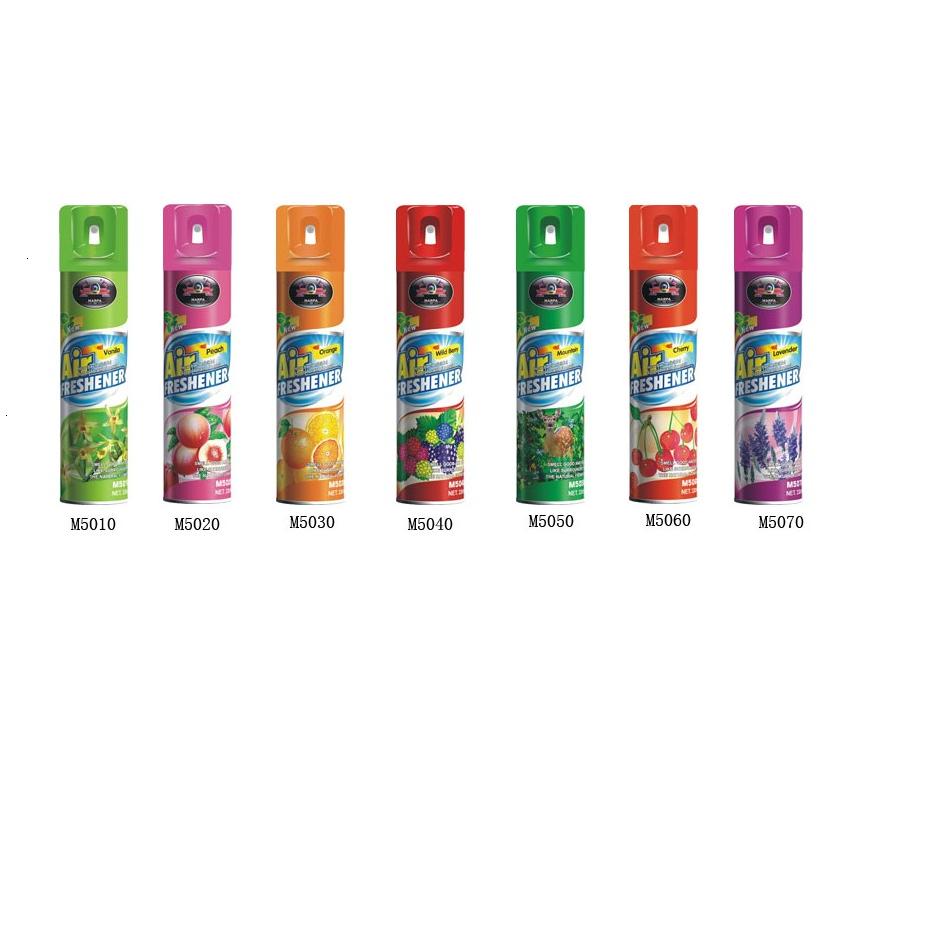
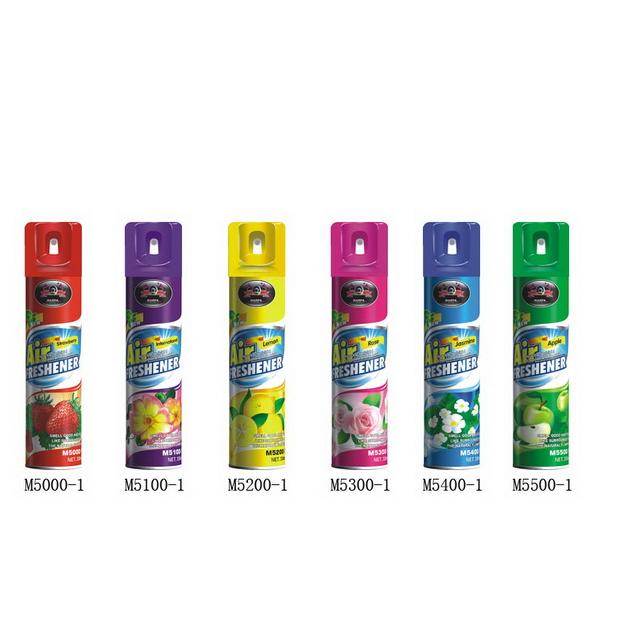
| Aerosol / Spray | 1% to 5% | Water, Ethanol, Propellants | Instant (Short duration) |
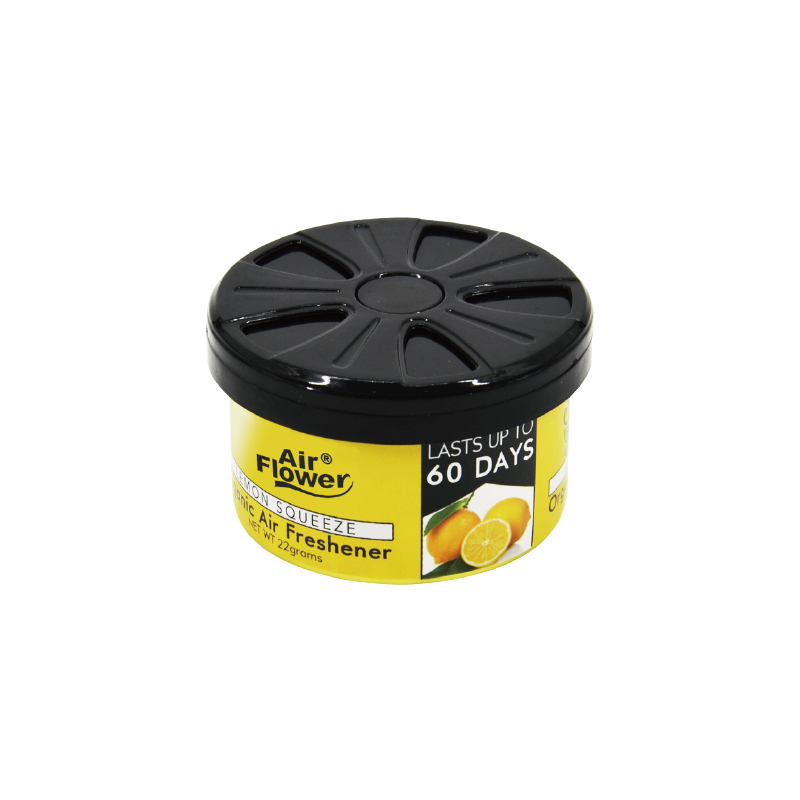
| Gel / Solid | 3% to 10% | Carrageenan, Gellan Gum | 30 to 45 Days |
| Reed Diffuser | 15% to 25% | DPG, Augeo, Alcohol | 60 to 90 Days |
| Paper / Cellulose | 10% to 20% | High-density cotton paper | 14 to 30 Days |
When establishing specifications, clearly define the base solvent. For liquid diffusers, solvents like Dipropylene Glycol (DPG) or eco-friendly alternatives dictate the evaporation rate. For aerosols, the ratio of propellant to liquid affects the spray pattern and droplet size.
Manufacturing Quality Control
The manufacturing process for room deodorizers involves high-speed filling lines and volatile chemicals, making strict oversight essential. Quality is typically won or lost in the mixing phase and the final sealing of the packaging. Inconsistent mixing temperatures can cause fragrance oils to separate from the carrier, leading to uneven scent distribution or cloudy liquids.
To prevent costly defects, implement robust Quality Control & Inspection protocols before the goods leave the factory.
Critical In-Line and Pre-Shipment Checks
- Weight and volume verification to ensure precise fill levels.
- Seal integrity testing under vacuum to prevent leakage during transit.
- Valve and actuator functionality testing (for aerosol variants) to prevent clogging.
- Olfactory batch sampling against the approved master standard.
- Drop testing for glass bottles and rigid plastic containers.
Need help standardizing your quality control protocols? Let our sourcing experts manage your factory inspections.
Talk to our teamRegulatory Compliance and Safety Standards
Air fresheners are heavily regulated chemical products. Non-compliance can result in shipments being seized at customs or costly product recalls. Your supplier must be capable of providing accurate Safety Data Sheets (SDS) and adhering to the specific chemical restrictions of your destination market.
VOC Regulations
Volatile Organic Compounds (VOCs) are strictly regulated in many regions. In the United States, CARB (California Air Resources Board) limits VOC content in air fresheners to under 18 percent for certain formats. Ensure your supplier formulates specifically to meet these thresholds.
Beyond VOCs, fragrances should comply with IFRA (International Fragrance Association) standards to ensure they are safe for consumer use and free from banned allergens. For European markets, REACH compliance is mandatory. Navigating these requirements requires careful documentation and proactive Compliance & Testing during the sampling phase.
OEM and Private Label Customization
For brands looking to differentiate, OEM/ODM Services allow for complete customization of both the scent profile and the physical product.
When developing a private-label line, consider the tooling requirements. Custom glass bottles for diffusers or unique plastic molds for car vent clips require upfront investment in injection molds. If you want to avoid tooling costs, most capable manufacturers offer extensive "white-label" catalogs of existing packaging that can be customized with your branding, labels, and bespoke fragrance oils.
Typical MOQs, Pricing, and Lead Times
Production minimums and costs vary significantly based on the format and the level of customization. Aerosols and liquids require specialized filling equipment and hazardous goods handling, which generally pushes Minimum Order Quantities (MOQs) higher than simple paper or gel products.
Pricing is highly sensitive to the cost of the raw fragrance oil. Premium essential oil blends will drastically increase the unit cost compared to synthetic fragrances. Additionally, packaging materials—such as thick-walled glass, metallic caps, or custom-printed retail boxes—often account for a larger percentage of the final unit cost than the liquid itself.
Ready to price out your custom air freshener line? We can help you negotiate favorable terms and MOQs.
Get a free consultationFrequently Asked Questions
Successfully sourcing air fresheners requires a partner who understands the intersection of chemical formulation, packaging engineering, and international compliance. By establishing clear specifications and rigorous oversight early in the process, you can build a reliable supply chain that delivers consistent, high-performing products.
Get Sourcing Help for Air Fresheners
Tell us your requirements and our experts will connect you with verified manufacturers.