Air-Conditioning and Compressor
Source premium automotive air-conditioning systems and compressors from vetted manufacturers and suppliers. Designed for importers, wholesale distributors, and aftermarket brands, our factory network delivers reliable OEM and private-label production at scale, ensuring strict quality control and competitive bulk pricing.
Sourcing aftermarket automotive air-conditioning compressors requires navigating a complex landscape of machining tolerances, material grades, and assembly standards. A compressor is the mechanical heart of the vehicle's HVAC system; even minor deviations in piston clearance or clutch coil winding can lead to catastrophic failure, excessive noise, or refrigerant leaks. For volume buyers, the challenge is identifying manufacturers capable of maintaining OEM-level precision across large production runs without inflating costs.
Core Compressor Specifications and Factory Capabilities
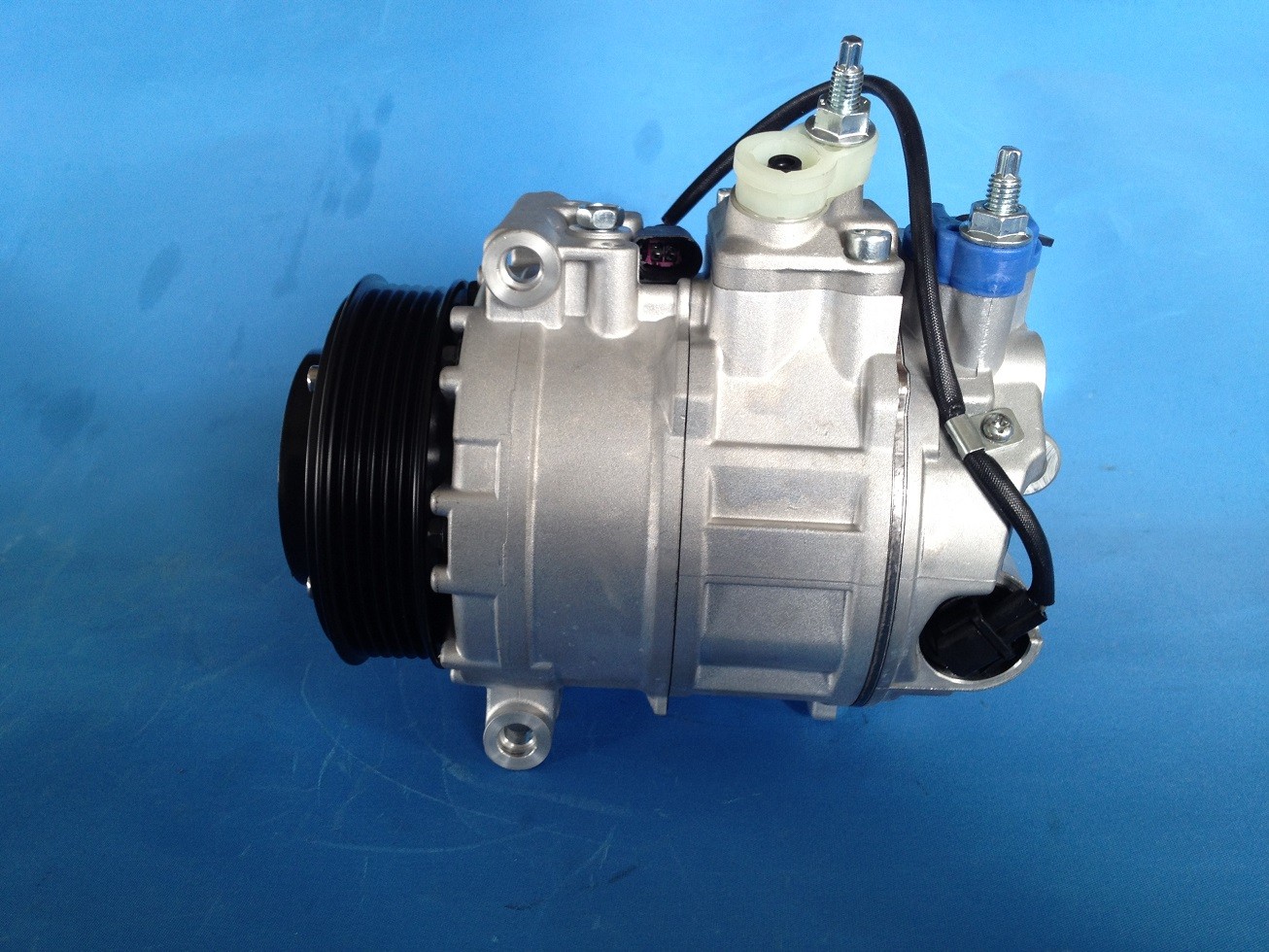
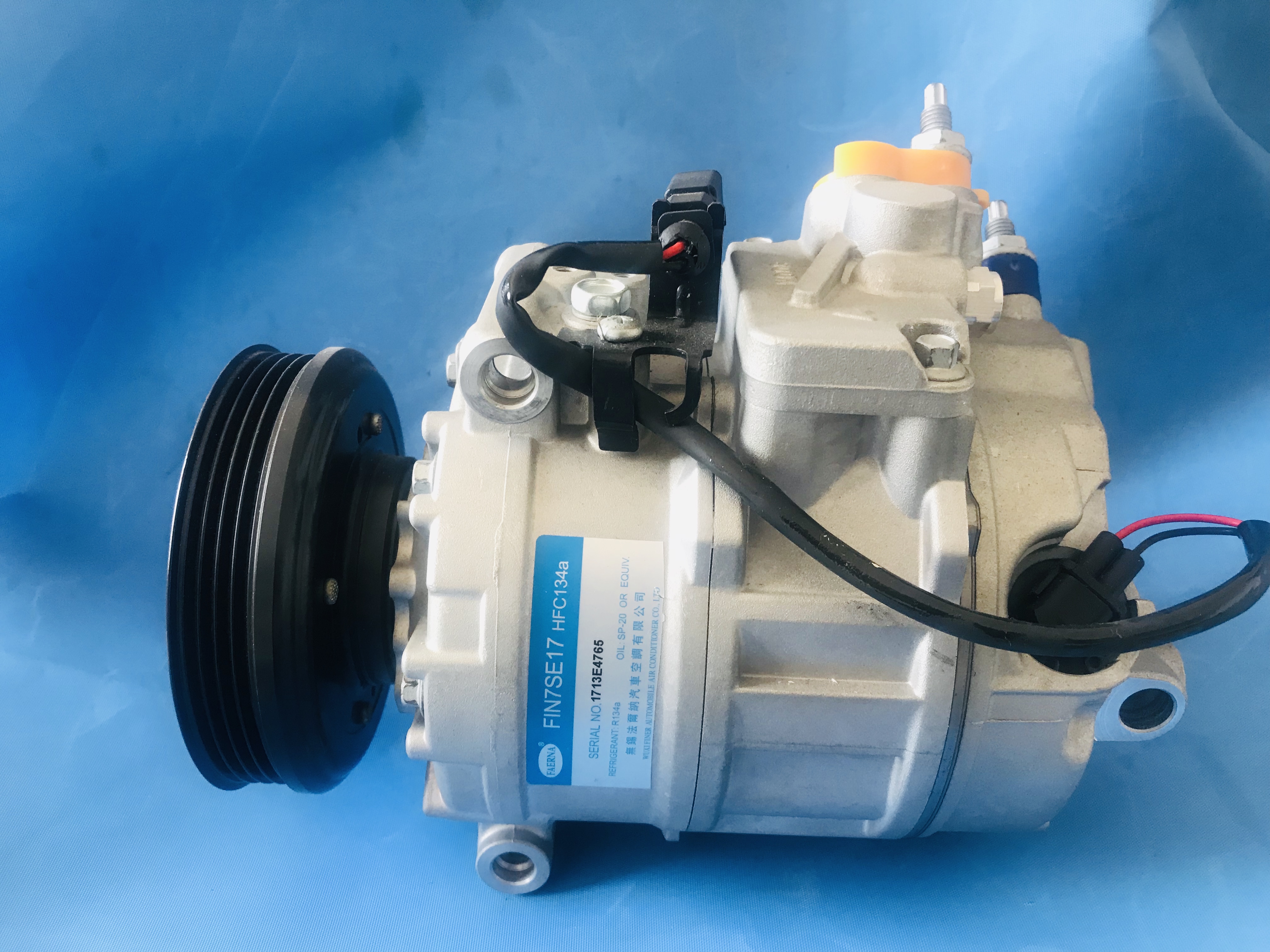
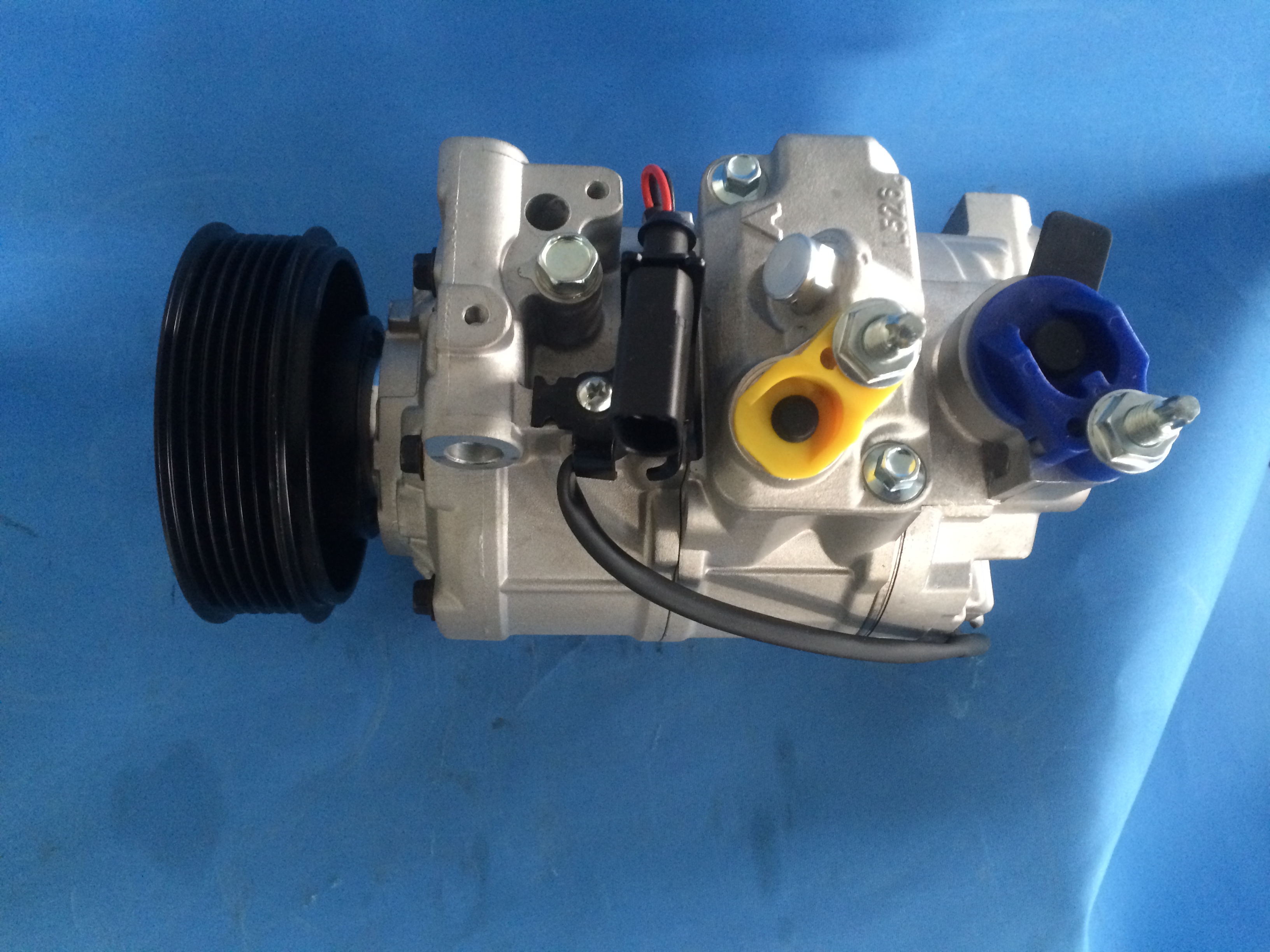
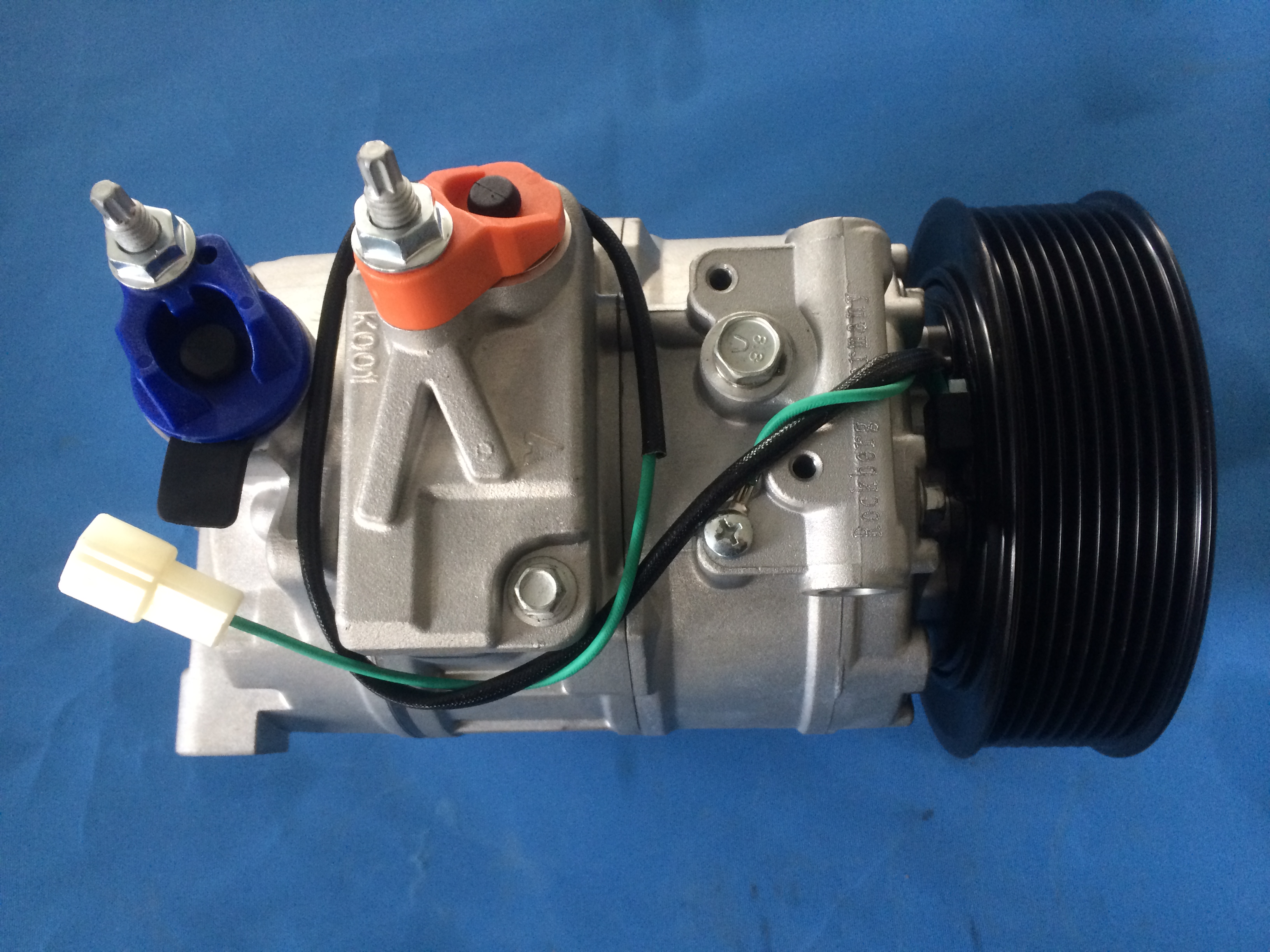
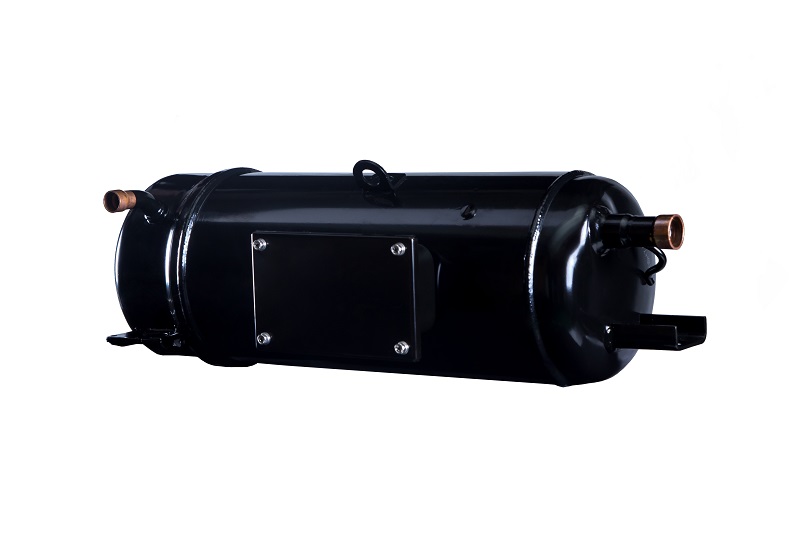
When evaluating a manufacturer's technical capability, you must look past the outer housing. The internal architecture—whether swash plate, wobble plate, or scroll—dictates the machining requirements. Modern variable displacement compressors, which operate without a traditional magnetic clutch, require highly precise control valves and internal pressure regulation systems that many lower-tier factories struggle to produce reliably.
Key specifications to verify with your supplier include:
- Refrigerant Compatibility: Ensure the factory's seals (typically HNBR or Neoprene) and PAG oil are explicitly rated for either R134a or the newer R1234yf standard. R1234yf systems operate under different pressure dynamics and require specialized seal materials.
- Displacement Volume: Measured in cubic centimeters (cc) per revolution. Consistency here is critical for cooling capacity.
- Clutch and Pulley Specifications: Voltage requirements (12V or 24V for heavy-duty applications), pulley diameter, and groove count (e.g., PV6, PV8) must exactly match the target vehicle platform.
| Compressor Type | Complexity | Primary Aftermarket Application |
|---|---|---|
| Fixed Displacement (Swash Plate) | Moderate | Older passenger vehicles, heavy-duty trucks |
| Variable Displacement | High | Modern passenger cars, high-efficiency HVAC |
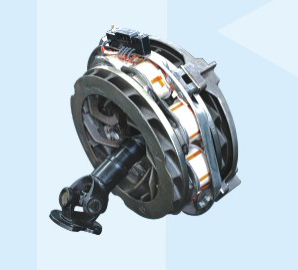
| Electric (Scroll) | Very High | EVs and hybrid platforms |
Need help vetting manufacturers with verified IATF 16949 automotive certifications?
Talk to our teamWhere Quality is Won or Lost: The Manufacturing Process
The difference between a reliable aftermarket compressor and one that fails within six months comes down to factory-floor execution. Aluminum casting porosity, poor bore honing, and substandard bearing selection are common culprits in low-cost units.
To mitigate these risks, professional buyers rely on strict Quality Control & Inspection protocols before the goods leave the factory.
Critical Factory QA Checkpoints
- Helium Leak Testing: Superior to underwater air testing for detecting micro-porosity in the aluminum housing.
- Run-in Testing: Units must be spun on a test bench to verify volumetric efficiency and check for abnormal NVH (noise, vibration, harshness).
- Clutch Engagement Testing: Verifying the magnetic coil draws the correct amperage and engages the friction plate smoothly.
- Clean-Room Assembly: Internal components must be assembled in a dust-free environment to prevent premature wear.
Pricing, MOQs, and Lead Times
Automotive compressor manufacturing is concentrated heavily in China's Zhejiang and Guangdong provinces. Pricing is highly dependent on raw material costs (aluminum, copper for the clutch coil) and the origin of internal components (e.g., whether the factory uses premium Japanese bearings or domestic equivalents).
For brands looking to establish their own aftermarket line, leveraging OEM/ODM Services allows for custom branding on the housing and bespoke packaging. However, establishing reliability is paramount, making comprehensive Factory Audits an essential step before tooling or bulk production begins.
Optimize your automotive AC supply chain and reduce warranty claims.
Get a free consultationFrequently Asked Questions
Successfully sourcing air-conditioning compressors in volume means looking beyond the unit price and interrogating the manufacturer's machining tolerances, assembly environment, and end-of-line testing rigor. By partnering with the right factory and enforcing strict quality standards, you can build a highly profitable, low-return aftermarket program.
Get Sourcing Help for Air-Conditioning and Compressor
Tell us your requirements and our experts will connect you with verified manufacturers.