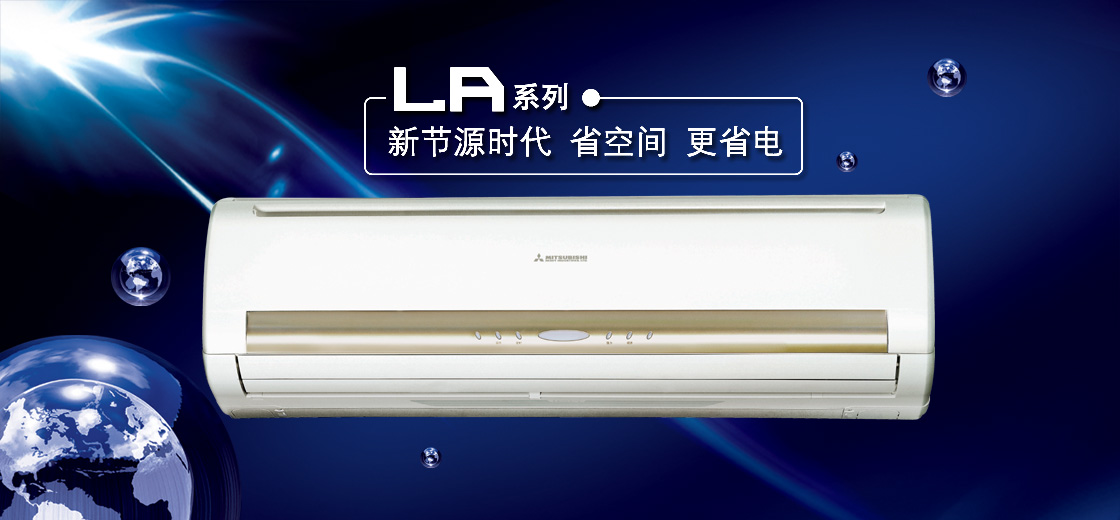
Air Conditioners
Source high-performance air conditioners from vetted manufacturers and suppliers across Asia. Designed for importers, regional distributors, and brands seeking reliable OEM and private-label production, our network offers scalable cooling solutions. Secure competitive bulk pricing on units built to meet international efficiency standards.
Sourcing air conditioners at volume requires navigating a complex matrix of energy efficiency regulations, refrigerant phase-outs, and seasonal production bottlenecks. For buyers importing under their own brand or distributing regionally, success depends on locking in reliable component supply chains—particularly for compressors and heat exchangers—while ensuring strict adherence to target-market safety and environmental standards.
Defining Performance: Core Components and Specifications
The reliability and energy efficiency of an air conditioner are dictated by its internal bill of materials (BOM). When negotiating with manufacturers, the specifications of three primary components will drive both your unit cost and your product's market viability.
1. Compressors and Motor Technology
The compressor accounts for a significant portion of the unit's cost and entirely dictates its cooling efficiency. Most Chinese OEMs source compressors from dominant domestic players like GMCC (Midea), Landa (Gree), or Highly, with premium lines occasionally utilizing Panasonic or Mitsubishi compressors.
You must specify the motor technology based on your market's Minimum Energy Performance Standards (MEPS):
| Specification | Fixed-Frequency (Non-Inverter) | DC Inverter |
|---|---|---|
| Operation | Cycles on/off at full capacity | Variable speed continuous operation |
| Energy Efficiency | Lower (Basic EER/COP) | High (Excellent SEER ratings) |
| Cost & Complexity | Lower cost, simpler PCB | Higher cost, complex control board |
| Target Markets | Developing markets with lax MEPS | EU, North America, Oceania |
2. Refrigerant Selection
Global environmental regulations are forcing a rapid transition in refrigerants. While R410A has been the standard for years, its high Global Warming Potential (GWP) is triggering phase-downs. R32 is now the dominant standard for OEM production destined for Europe, Australia, and increasingly North America. Ensure your supplier's assembly lines are certified for R32 handling, as its mild flammability requires specialized factory safety protocols.
3. Heat Exchangers (Condenser and Evaporator Coils)
Standard production utilizes copper tubes with aluminum fins. To combat coastal corrosion, specify hydrophilic or "golden/blue fin" coatings. Be wary of suppliers offering aggressively low pricing; this is often achieved by thinning the copper tubing walls (e.g., dropping from 0.28mm to 0.24mm), which drastically increases the risk of micro-leaks over the product's lifespan.
Need help verifying a factory's component sourcing and assembly standards? We can evaluate supplier BOMs to ensure you get exactly what you specify.
Talk to our teamFactory Floor Realities: Quality Control and Compliance
An air conditioner is a pressurized system mixing high-voltage electronics, water condensation, and chemical refrigerants. Manufacturing defects here lead to catastrophic product failure and expensive warranty claims.
Rigorous quality control must be implemented during production, not just post-assembly. Key in-line testing stations to verify during factory audits include:
Critical Factory Testing Stations
- Helium Leak Detection: Far more accurate than water-bath testing for identifying micro-leaks in evaporator and condenser coils.
- Electrical Safety (Hi-Pot) Testing: Verifying grounding and insulation resistance before the casing is sealed.
- Refrigerant Charging Accuracy: Automated charging stations with precise weight scales to prevent under/over-charging.
- Performance Testing Rooms: Enthalpy difference labs to verify actual BTU output and EER against stated specifications.
- Vibration and Drop Testing: Ensuring packaging can withstand international freight without damaging internal copper piping.
Furthermore, destination markets require strict certifications (CE, CB, UL, ETL, or specific MEPS registrations). Do not assume a factory's existing certification covers your specific OEM configuration. Modifications to the PCB, compressor, or even the plastic housing can invalidate existing test reports, necessitating new compliance testing.
Bulk Sourcing Mechanics: Pricing, MOQs, and Lead Times
Air conditioner manufacturing is notoriously seasonal. Global demand peaks ahead of the Northern Hemisphere summer, meaning factory order books fill up rapidly between November and March.
Pricing is highly sensitive to global commodities, specifically copper, aluminum, and the cost of the compressor. When utilizing OEM/ODM services for private labeling, custom panel designs or smart-home (WiFi) integrations will require upfront tooling costs or higher MOQs to absorb PCB development expenses.
Struggling with seasonal lead times or volatile pricing? Let us help you structure a reliable supply chain strategy for your upcoming peak season.
Get a free consultationFrequently Asked Questions
Sourcing air conditioners successfully is an exercise in timing and technical diligence. By locking in your BOM specifications early and planning your orders well ahead of the seasonal rush, you can secure better pricing and ensure your inventory arrives tested, compliant, and ready for the summer peak.
Get Sourcing Help for Air Conditioners
Tell us your requirements and our experts will connect you with verified manufacturers.